Oil Shock Spurs Renewables; China to Gain Strategically
The Iran conflict has escalated energy security risks for oil-dependent nations, accelerating the shift towards renewable technologies. This structural change favors China, as its renewable energy exports are positioned to offset higher oil import costs.
The ongoing Iran war has introduced a profound oil shock, elevating the vulnerability of countries heavily reliant on hydrocarbon imports. This volatility has prompted a strategic pivot to renewable energy sources, viewed as more stable long-term alternatives. Beyond short-term oil price spikes, the conflict underlines the recurring nature of geopolitical risks in fossil fuel supply chains, justifying sustained investment in renewables.
China stands out as the preeminent beneficiary of this transformation. With approximately one-fifth of global oil and LNG supplies and a third of seaborne fertilizers linked to conflict-affected regions, the incentive to diversify energy and agricultural inputs is palpable worldwide. China’s robust manufacturing base and advanced photovoltaic and wind power technology sectors are likely to see heightened demand.
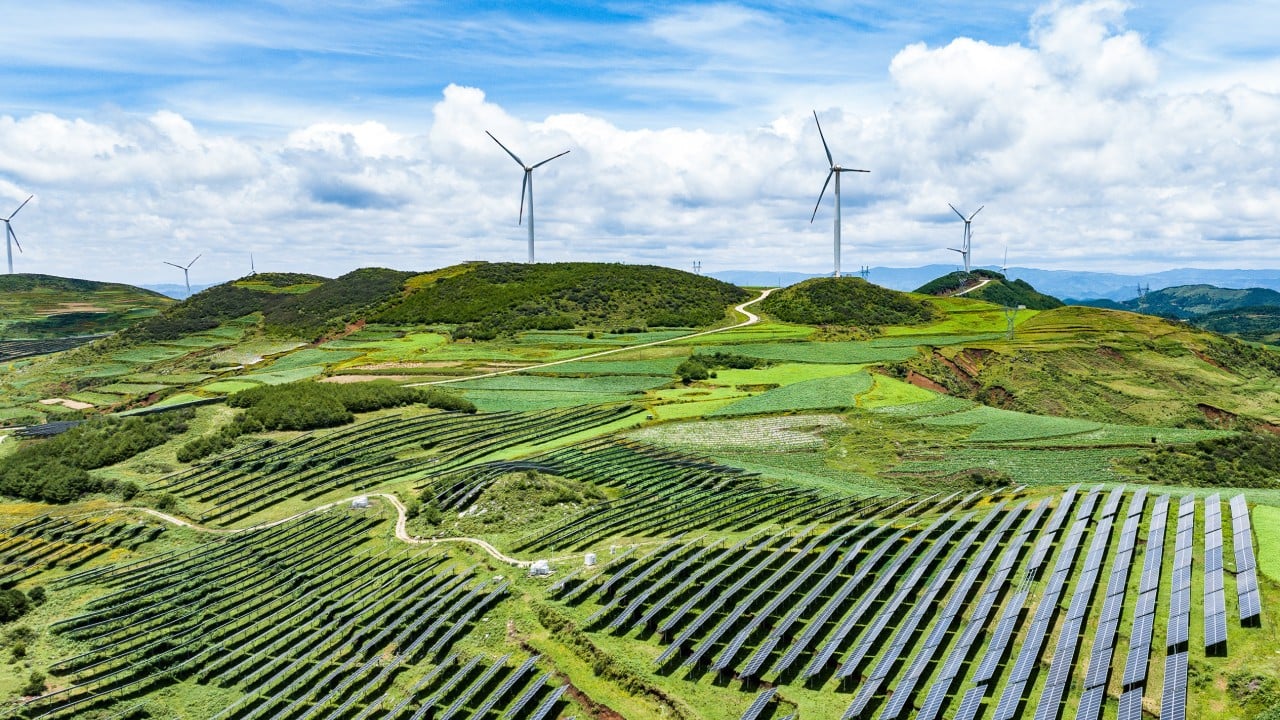
Chinese exports of solar panels, wind turbines, and battery storage solutions are projected to perform strongly this year, compensating for the economic pressure of more expensive oil imports. The country's policy focus on clean energy innovation and export orientation positions it as a global hub accelerating the renewable transition.
Strategically, this shift enhances China’s geopolitical influence by reducing its energy import vulnerabilities and expanding its economic footprint in critical clean energy technologies. Manufacturers such as long-established state-owned enterprises and innovative private firms alike are capitalizing on increased global infrastructure investments related to the renewable sector.
In summary, the Iran-induced oil shock accelerates a structural energy transition, with China emerging as the primary winner. This development has significant implications for global energy security, trade balances, and defense-related industrial capabilities tied to energy independence and technology leadership.