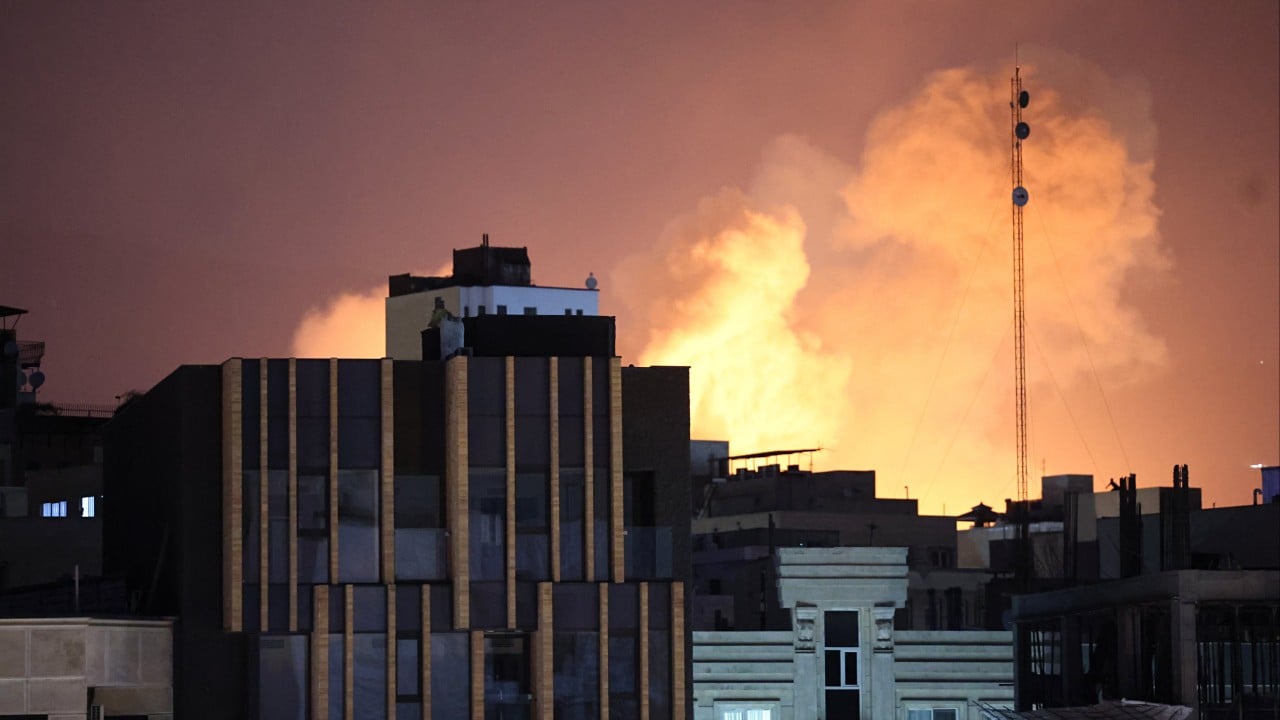
Oil Prices Surge 14% as US-Israel Strikes Spark Hormuz Crisis
The US-Israel military offensive against Iran has triggered a significant spike in oil prices, posing a severe threat to global energy security. The effective blockade of the Strait of Hormuz is creating a volatile shipping crisis, impacting supply chains worldwide.
Oil prices have skyrocketed following a coordinated military offensive by the United States and Israel against Iran, leading to a crisis in the strategic Strait of Hormuz. Brent crude, the global benchmark for oil, surged as much as 14% within days, reaching over $82 per barrel for the first time since January 2025, according to Bloomberg data. Traders are now increasingly shunning the vital waterway, which is responsible for transporting around 20% of the world's crude oil, signifying a looming energy crisis amidst escalating geopolitical tensions.
The backdrop to this alarming development is a long-standing conflict involving Iran's nuclear ambitions and its support for regional proxies opposed to Israeli and US interests. Tensions have been mounting over Iran's missile program, with previous skirmishes between Iranian forces and vessels in the Strait of Hormuz signaling a dangerous escalation. The US and Israel launched strikes in a bid to counter potential threats emanating from Iran, but the direct consequences of these actions have triggered market fears and heightened anxiety among shipping entities.
This situation is significant not only for skyrocketing oil prices but also because it underscores global vulnerability to energy supply disruptions. The Strait of Hormuz's closure amplifies the risk of a larger military conflict in the region, as countries reliant on oil imports scramble for alternative supplies. This is particularly concerning for major economies in Europe and Asia, which could experience energy shortages and price spikes impacting their own economic stability.
Key players in this crisis include the US, Israel, and Iran, each with its agenda. The US aims to maintain regional hegemony and curb Iran's influence, while Israel seeks to neutralize perceived existential threats from Tehran. Iran, on the other hand, is driven to assert its dominance in the Persian Gulf and resist Western encroachments while leveraging its strategic position to retaliate against adversaries.
Technically, the crisis has ripple effects through global oil markets. At over $82 per barrel, the surge marks a significant price threshold that could lead to a re-evaluation of energy policies worldwide. Shipping routes are being rerouted or disrupted due to the increased threat level, resulting in longer transport times and elevated costs. Supply chain disruptions are inevitable, with potential repercussions on fuel prices globally as nations adapt to the new realities of energy supply.
The likely consequences include a prolonged crisis of oil supply, putting additional pressure on Western economies grappling with inflation and energy independence strategies. As countries weigh their responses, the potential for conflict escalation remains high, especially if Iran retaliates against US or Israeli interests in the region, triggering further military responses.
Historical parallels can be drawn to previous oil crises, such as the 1973 Arab Oil Embargo, which had lasting effects on global economies and led to significant shifts in energy policy. The current situation echoes similar themes, with geopolitical maneuvering exacerbating market volatility and energy insecurity across continents.
Looking ahead, observers should monitor military developments in the Gulf, changes in oil supply routes, and potential international interventions or sanctions against Iran. Key indicators will include naval deployments from the US and allied forces, Iranian responses, and fluctuations in global oil prices as the situation evolves.