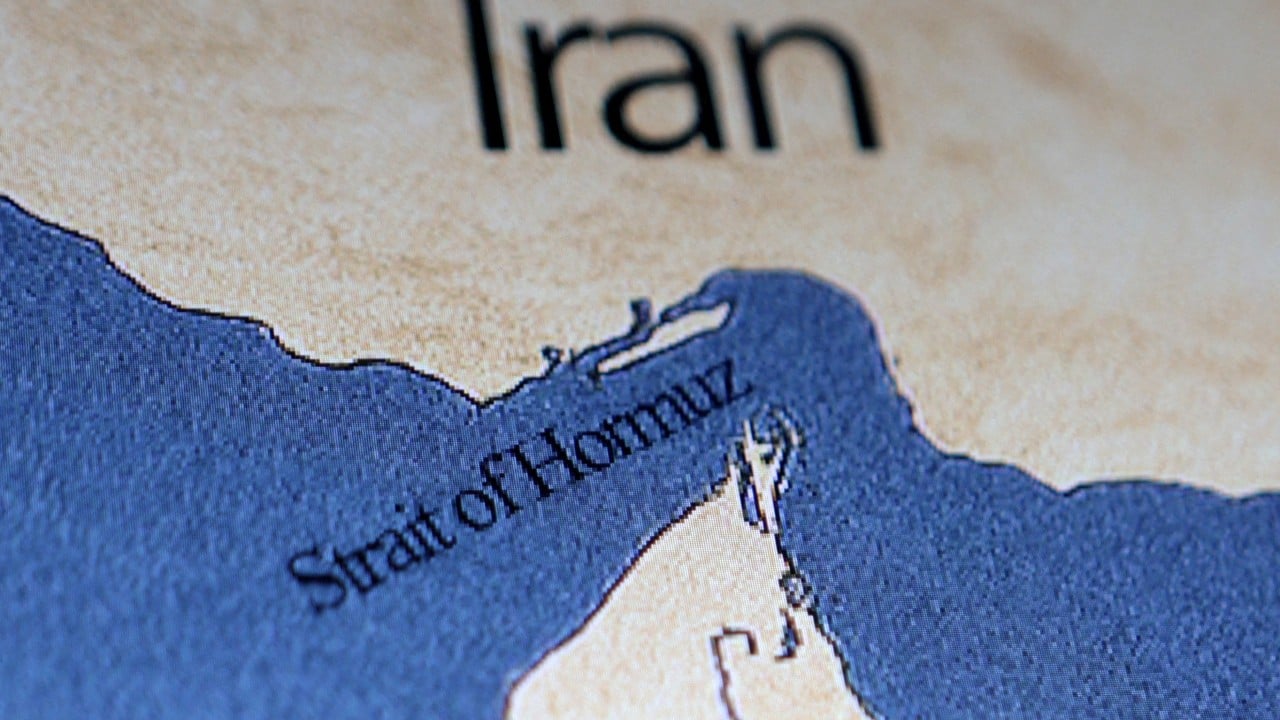
Oil Prices Skyrocket as US-Iran War Paralyzes Strait of Hormuz
The assassination of Iran's Supreme Leader triggers a regional crisis, sending oil prices and freight costs soaring. This destabilization threatens to disrupt global energy markets and strain economies reliant on imports.
Oil prices surged by an unprecedented 13 percent after the assassination of Iranian Supreme Leader Ayatollah Ali Khamenei, creating a major flashpoint in the escalating conflict between the United States, Israel, and Iran. With tanker traffic through the Strait of Hormuz nearly grinding to a halt, this development exacerbates an already precarious global energy situation. Analysts expect this downturn in oil shipment capabilities to unleash widespread economic repercussions, particularly across Asia's oil-dependent countries.
The Strait of Hormuz, a crucial maritime passage for approximately 20 percent of the world's oil supply, has long been a flashpoint in US-Iran relations. Previous tensions have resulted in naval confrontations, drone strikes, and cyber warfare, but the assassination of Khamenei marks a drastic escalation. This event signals potential retaliatory measures from Iran, heightening risks in an already volatile region.
This surge in oil prices not only threatens the stability of Asian economies, which rely heavily on energy imports, but it also exposes significant vulnerabilities in global supply chains. Analysts predict that the supply shock could drive prices even higher, causing inflation and operational challenges worldwide. A prolonged escalation could tip certain economies into recession, showing just how intertwined global stability is with Middle Eastern geopolitics.
Key actors in this ongoing conflict include the United States and Iran, both of which are likely under tremendous pressure to assert their influence. The US may pursue further military involvement to ensure the security of oil shipping routes, while Iran could utilize proxy forces to retaliate against US interests regionally. The interplay of both nations' ambitions will only serve to deepen the crisis, pushing regional alliances into sharper focus.
The technical details of the current energy infrastructure in this crisis are alarming. The spike in Brent crude prices has pushed costs to levels not seen in years, forcing traders to reevaluate their positions on the global market. As the US ramps up military readiness in the area, oil reserves face the specter of strategic interruptions, potentially leading to a broader conflict in the Middle East.
Given the rapid developments, the likely consequences include the expansion of naval deployments by the US and increased Iranian military posturing. The consequences could reverberate beyond oil markets, affecting global stocks, currency valuations, and trade relationships. Rapid fluctuations are anticipated as countries scramble to secure energy supplies, resulting in geopolitical shifts and alliances.
Historical parallels can be drawn to previous crises in the region, such as the Gulf War or the 1979 oil crises, where disruptions led to severe ripple effects in the global economy. Each incident serves as a reminder of the interconnected nature of global energy markets, with Middle Eastern stability serving as the lynchpin.
Moving forward, attention must focus on US military deployments and Iran's potential asymmetric responses. Intelligence assessments should monitor tanker traffic and naval movements in the Strait of Hormuz closely, as they will signal the next phase in this escalating conflict. Experience suggests that miscalculations could drive the situation into an undesired conflict, underscoring a precarious moment in global security.