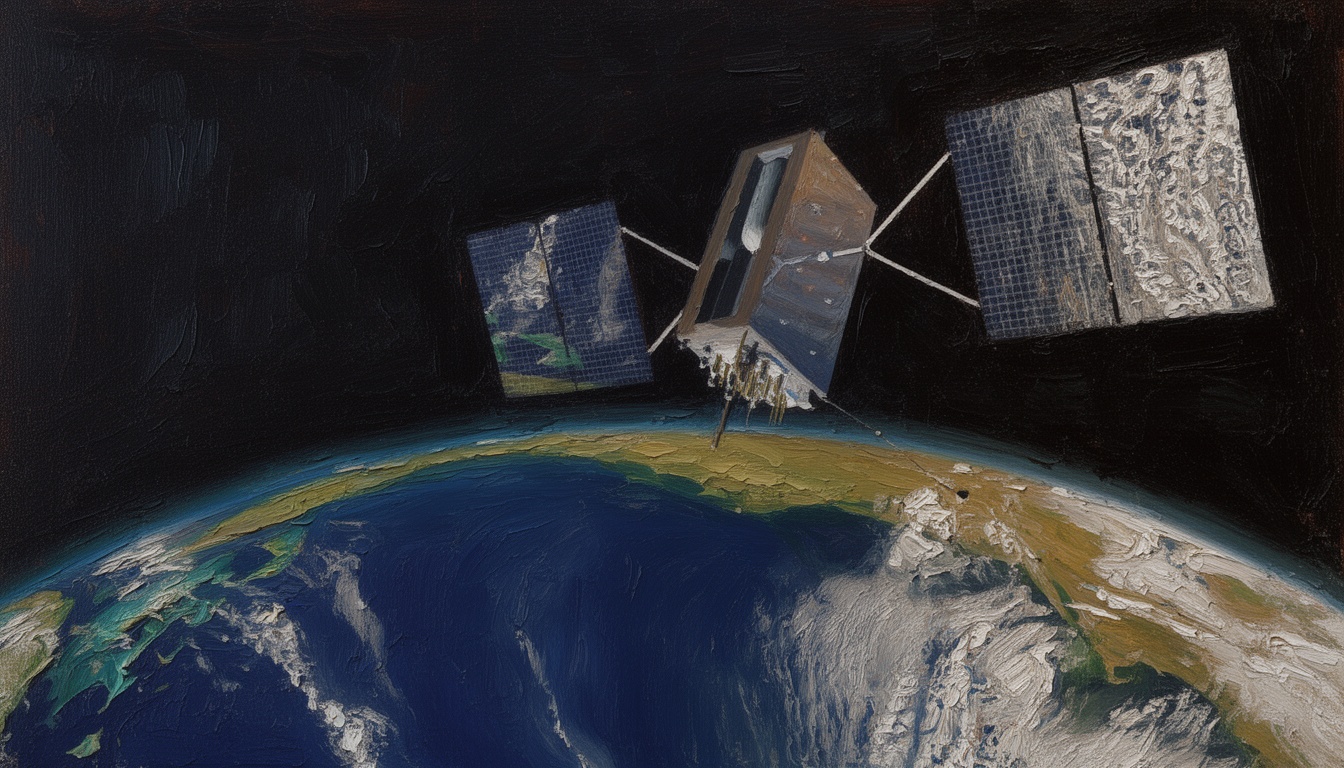
OCX GPS Ground Control System Axed Over Insurmountable Hurdles
The Space Force ends the OCX program, citing insurmountable challenges. The Pentagon will rely on a Lockheed Martin–managed ground control system still in use. The move reshapes US military GPS reliability and raises questions for allies dependent on global navigation signals.
The Space Force has terminated the OCX GPS ground control project, citing insurmountable technical and programmatic hurdles. The decision ends a years-long effort to modernize the US military's space-based navigation infrastructure. Instead, the department will continue to operate the existing ground control framework managed by Lockheed Martin. This shift preserves current GPS capabilities while avoiding further delays and budget overruns. Officials emphasize continuity of service for warfighters and critical partners who rely on GPS timing and positioning.
Context: OCX was conceived to replace the aging ground control segment responsible for monitoring and updating GPS satellites. Repeated delays, validation failures, and concurrency issues with software and hardware components hampered progress. The Pentagon has previously warned that the program’s execution risk threatened critical navigation resilience in contested environments. The present decision aligns with a broader push to stabilize key space C2 (command and control) capabilities while leveraging proven systems.
Strategic significance: The move preserves GPS reliability for combat, intelligence, and civil users worldwide at a moment of strategic competition in space. Allies increasingly depend on uninterrupted GNSS signals for precision fires, air defense, and humanitarian operations. By avoiding more arcane upgrades, the US preserves interoperability with partner nav waivers and existing force structures. Still, the absence of a modernized OCX means potential delays for future space-domain enhancements and cyber hardening that adversaries may seek to exploit.
Technical/operational details: The current ground control system remains under Lockheed Martin stewardship, with ongoing maintenance contracts and spare-parts pipelines already in place. No new formal procurement for a complete OCX replacement is announced. The decision reduces programmatic risk but implies that upcoming space-enabled capabilities will ride on older, validated software stacks and interfaces. Budgetary notes point to redirecting OCX funds toward sustainment of existing GNSS ground segments and space situational awareness investments.
Consequences and forward assessment: The reliability of US and allied GNSS-dependent operations should stabilize in the near term, but modernization timelines may drift. Potential vulnerabilities in the current architecture could invite adversaries to pursue disruption or jamming attempts, especially in contested theaters. The acquisition and development community will likely pivot to alternate modernization paths that emphasize resilience, anti-jypass measures, and cyber-hardened ground segments. Future updates will test whether a lean, iterative upgrade approach can deliver timely gains without rekindling OCX-scale risks.