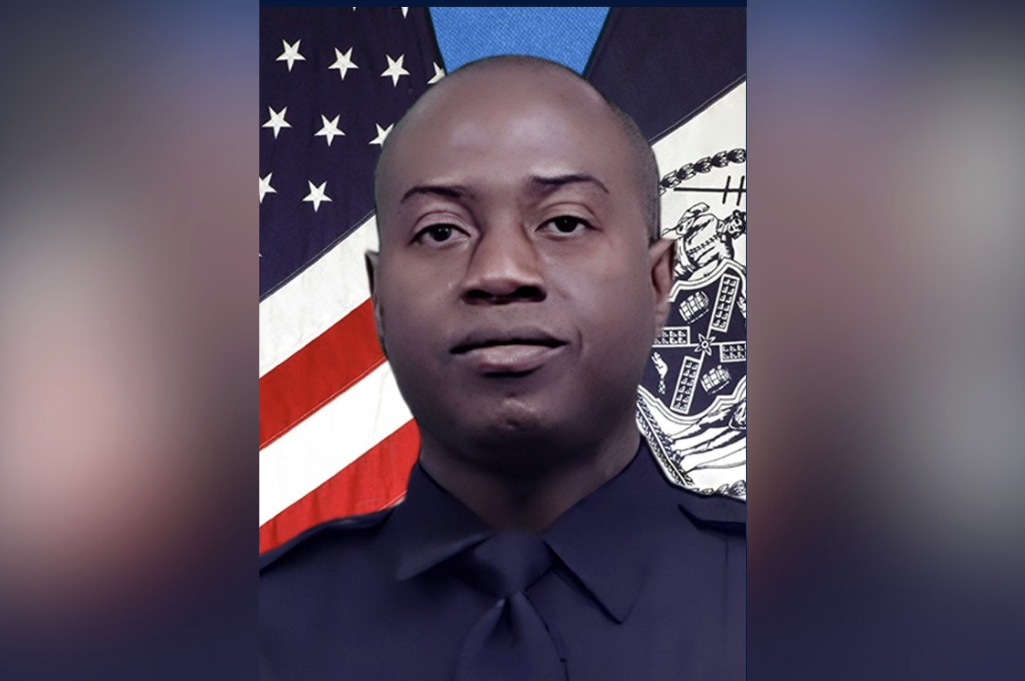
NYPD Officer Dies in Kuwait During Non-Combat Deployment Crisis
The death of NYPD officer Davius reflects deeper security and health vulnerabilities in deployment settings. This incident raises questions about the well-being and support available to military personnel abroad.
NYPD officer and New York National Guardsman Davius tragically died in Kuwait due to a medical episode. The occurrence, classified as a non-combat incident, underscores a critical vulnerability faced by military personnel stationed overseas. Official sources from the NYPD confirmed his passing through social media, yet full details surrounding his death remain sparse, signaling transparency issues in reporting such incidents.
Historically, health-related crises among deployed military personnel have raised significant concerns regarding the adequacy of medical support in conflict regions. Davius's untimely death comes amid ongoing military operations in the Middle East, where troops face not only combat risks but also potential health emergencies due to extreme conditions, lack of medical facilities, or insufficient pre-deployment training on health emergencies.
This incident is significant as it exposes systemic vulnerabilities within military support structures, particularly in combat-adjacent deployments. It highlights the need for comprehensive health support systems that can address immediate medical emergencies and monitor the overall physical health of personnel in unfamiliar environments. The implications resonate beyond individual loss, reflecting on broader military readiness and personnel welfare.
Key actors in this scenario include the New York Police Department, the New York National Guard, and military health organizations. Their response, or lack thereof, will be scrutinized as the military grapples with the fallout from Davius's death. Nevertheless, the ongoing operations in Kuwait compound these concerns, with many traveling to the region under the premise of stability operations and security aid.
Operationally, this event signifies a troubling reality: that even in non-combat roles, members can face life-threatening health incidents. The reliance on medical facilities far from home, coupled with varying levels of readiness among personnel, underscores the need for enhanced training in health crisis management. The fact that such a vital issue occurs amidst the ongoing U.S. military presence in the region where troops number in the thousands makes Davius's death all the more alarming.
Consequences may include increased scrutiny of deployment health standards and potential policy changes regarding the pre-deployment assessments of military personnel. Should investigations reveal lapses in health support, it could lead to calls for reform in how troops are prepared and cared for in deployed settings. Additional ramifications may resonate through internal policy adjustments aimed at preventing future incidents and ensuring the safety of personnel.
Historically, similar cases of deaths related to health crises among military ranks have led to heightened awareness and reform. The deaths of service members during deployments due to lack of immediate medical care or inadequate support systems resulted in significant policy changes post-incident in various armed forces globally.
Looking forward, the focus should shift to enhancing medical preparedness and monitoring for troops deployed to conflict-affected areas. Intelligence indicators include assessment of medical preparedness protocols in military operations, response times for health crises, and the provision of comprehensive health screenings prior to deployment. Observing these factors will be critical in understanding whether Davius's death spurs systemic changes or remains a tragic footnote in military health preparedness issues.