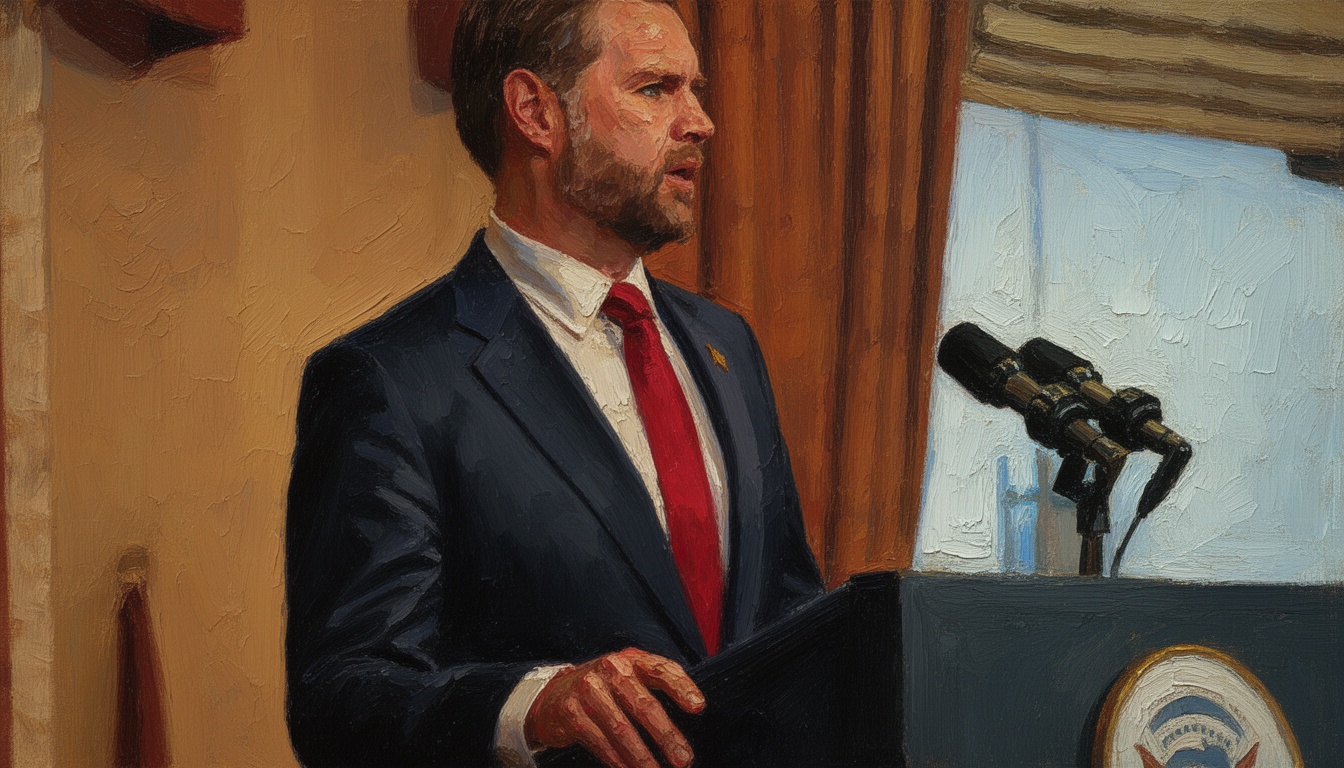
Nuclear arms key sticking point stalls marathon US-Iran talks
Marathon negotiations in Islamabad fail to yield an agreement. Vance states nuclear arms remain the decisive obstacle, signaling a setback for both Washington and Tehran. The talks' collapse raises questions about future diplomacy and regional deterrence dynamics.
English: The marathon talks between the United States and Iran concluded without an agreement, with nuclear arms identified as the principal sticking point. The discussions stretched into a 21st hour, according to the description provided by the briefing. The vice-president of the United States framed the outcome bluntly, noting substantive exchanges but affirming that no consensus was reached. The remarks underscored the high stakes surrounding Iran's nuclear program and the broader implications for regional stability and nonproliferation.
Context situates Islamabad as the latest venue in a long series of negotiations aimed at curbing or clarifying Iran's nuclear ambitions. Previous rounds have repeatedly intensified expectations for a diplomatic breakthrough, only to be followed by renewed brinkmanship and caution. The absence of an agreement signals increased tensions and potential miscalculations in the Gulf region, along with renewed scrutiny of U.S. and allied deterrence postures. Analysts will watch for any shifts in engagement strategy or new leverage points introduced by either side.
Strategically, the failure consolidates the perception that nuclear-related concessions will be the currency of any future deal. Iran seeks guarantees or sanctions relief that align with its strategic calculus, while the United States weighs alliance commitments and the credibility of its deterrence framework. The stalemate could influence regional actors, from Gulf partners to regional non-state actors, as they reassess red lines and potential escalation pathways. Expect intensified diplomatic fatigue and a renewed push for conditional engagements or alternate channels of diplomacy.
Operationally, the talks involved high-level officials and proxies, with discussions reportedly incorporating technical assessments of enrichment pathways, verification mechanisms, and timelines. While specifics remain undisclosed, the framing emphasizes the central role of nuclear constraints in any durable settlement. Budgetary and industrial implications for both sides would hinge on the scope of concessions and the durability of any final agreement, including monitoring and compliance commitments.
Looking ahead, the collapse portends a period of strategic uncertainty. The United States and Iran could reconfigure their diplomatic tempos, with potential for sporadic backchannel discussions or external mediators stepping in to reframe the dialogue. The risk of misinterpretation, miscommunication, or miscalculation grows as both sides calibrate deterrence signals and political messaging for domestic audiences and regional partners.