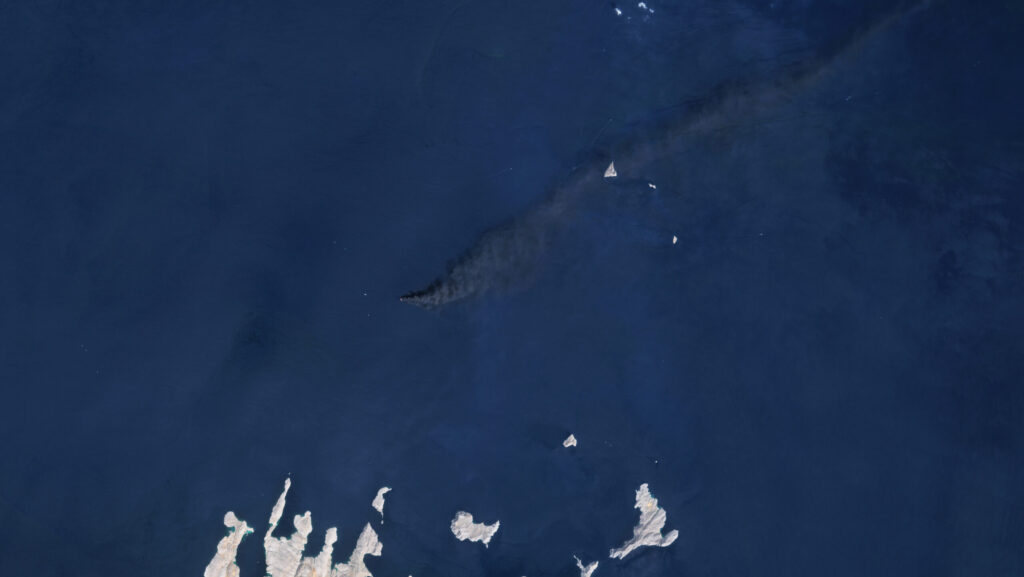
Nowhere to hide: Iran war spotlights military challenges posed by space-based remote sensing
Planet’s 14-day delay on imagery signals tighter controls over space-based ISR. The policy highlights how commercial sensors affect regional deterrence, intelligence sharing, and escalation dynamics around Iran and Gulf security complexes. The move could reshape battlefield transparency and foster riskier confrontations in sensitive zones.
Planet Inc. has announced a 14-day delay on imagery releases for Iran, nearby military bases, Gulf States, and other existing conflict zones. The policy was disclosed in a March 9 notice to Planet's customers and emphasizes a shift toward more restricted, slower access to high-resolution space-based imagery. The delay applies across multiple geographies tied to volatile security environments, amplifying the fog of intelligence in regions already under strain. The decision comes as Iran's regional posture and allied activities draw heightened attention from global observers and defense planners.
Historically, commercial remote sensing has acted as a bridge between open-source visibility and official intelligence assessments. The new delay compresses that bridge, reducing near-real-time situational awareness for coalition planners and regional defense establishments. It also raises questions about how other space-based data providers might recalibrate their own release cadences to balance commercial interests with strategic risk management. In the Gulf, where allied navies and air forces operate under a crowded surveillance regime, any slowdown in imagery could affect monitoring of movements and exercises.
Strategically, the Planet move could alter deterrence calculations in a region where misinterpretation and rapid escalation are ongoing risks. If imagery is less timely, decision-makers may rely more on SIGINT, open-source signals, or human intelligence, each with its own gaps and biases. Adversaries may attempt to exploit the ambiguity, testing thresholds for use-of-force decisions, while regional actors seek to preserve warning advantages. The policy also sets a precedent that commercial space assets can be selectively constrained in high-tension environments, influencing alliance trust and interoperability.
From a technical standpoint, Planet’s fleet comprises smallsat constellation assets capable of sub-meter resolution in some bands. The 14-day delay likely reflects internal risk controls, legal review, or contractual obligations with clients that emphasize sensitive locations. Budgetary and contract pressures—such as foreign government restrictions, export controls, and insurance costs—could be driving the decision. Operationally, the shift may force customers to adjust intelligence production timelines, re-prioritize target libraries, and invest more in alternative sources for near-term intelligence.
The likely consequences include increased uncertainty in theater assessments, greater reliance on non-kinetic indicators, and potential diversification of data sources. Regional command centers may intensify liaison with allied space and cyber surveillance entities to compensate. In the longer run, this trend could stimulate the market for on-demand, TTP-driven imagery products and spur new norms around the dissemination of sensitive space-derived intelligence.