Norwegian F-35s Clash with Russian Spy Aircraft During NATO Drill
The interception of a Russian reconnaissance aircraft by Norwegian F-35s highlights escalating military tensions in Europe. This incident reflects broader strategic confrontations between NATO and Russia as military exercises intensify.
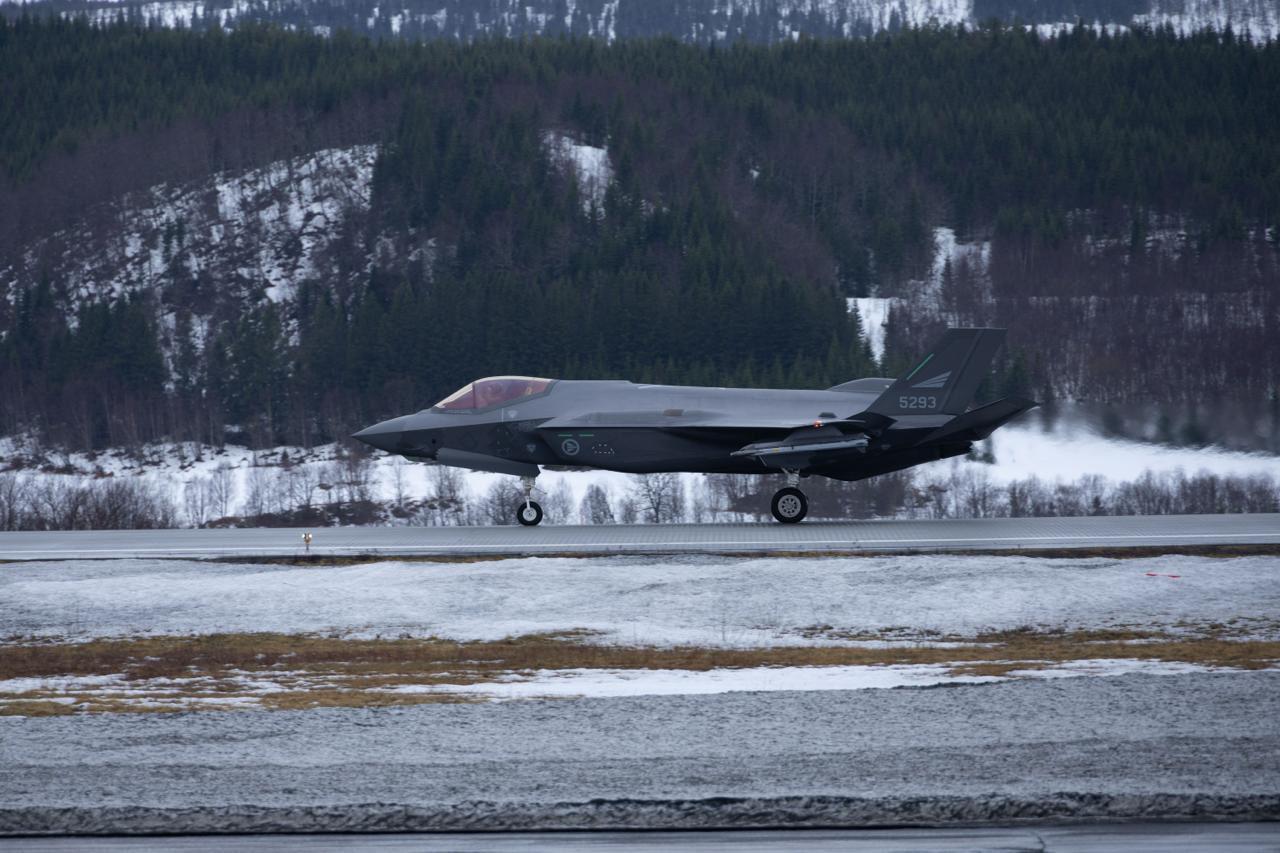
Norwegian F-35 fighter jets were deployed to intercept a Russian reconnaissance aircraft during NATO's Cold Response 2026 exercise, escalating threats in the already volatile region. The confrontation occurred in the northern Norwegian airspace, underscoring the escalating encounters between NATO forces and Russian military assets amid growing geopolitical tensions.
NATO's Cold Response series has intensified since returning in 2006, with 2026 marking an unprecedented scale involving 30,000 troops from multiple allied nations, including the U.S., Canada, and the U.K. This year's drill is designed to demonstrate NATO's collective defense capabilities against perceived Russian aggressions in the Arctic and Baltic regions, as Moscow has increased its military activities near these areas, frequently dispatching intelligence and surveillance flights.
This incident is crucial as it signifies NATO's readiness to confront Russian aerial provocations directly, indicating a shift from historical defensive postures to a more assertive response strategy. As Russia's military maneuvers in the Arctic become more brazen, the operational readiness of NATO members, particularly Norway, is put under scrutiny as the West navigates the complex power dynamics in Northern Europe.
Norwegian defense officials seek to assert national sovereignty over airspace while sending a clear message to Moscow that such intrusions will not go unchecked. The interception of the Russian craft not only showcases Norway's increasing reliance on U.S.-manufactured F-35s for air superiority but also emphasizes Oslo's commitment to NATO's collective defense strategy amid heightened Russian hostility.
The F-35A Lightning II, with cutting-edge stealth capabilities, can engage aerial threats at extended ranges, featuring advanced sensors and radar systems. The ability of these aircraft to discriminate between friend and foe has become vital in the increasing complexity of air operations in the region, where various military assets are continually tested.
The implications of this incident could lead to a new tension-filled phase in NATO-Russian relations, particularly if Russia views this interception as provocation. Such encounters may prompt further Russian responses, possibly escalating into broader military actions or increased aerial patrols near NATO nations, heightening the risks of accidental conflict.
Historically, this situation echoes the Cold War era confrontations, where airspace incursions often resulted in standoffs between NATO and Soviet forces. The spirit of competition in the Arctic today resembles the confrontational postures of past decades, suggesting that both sides must maintain a high state of readiness to respond to any miscalculations.
Looking forward, observers should closely monitor Russia's strategic responses, including a potential increase of aerial assets in the region or provocative marine exercises. Key indicators will include further interceptions of Russian aircraft by NATO forces and any changes in strategic deployments from both sides, which may signal a shift toward a more hostile operational environment.