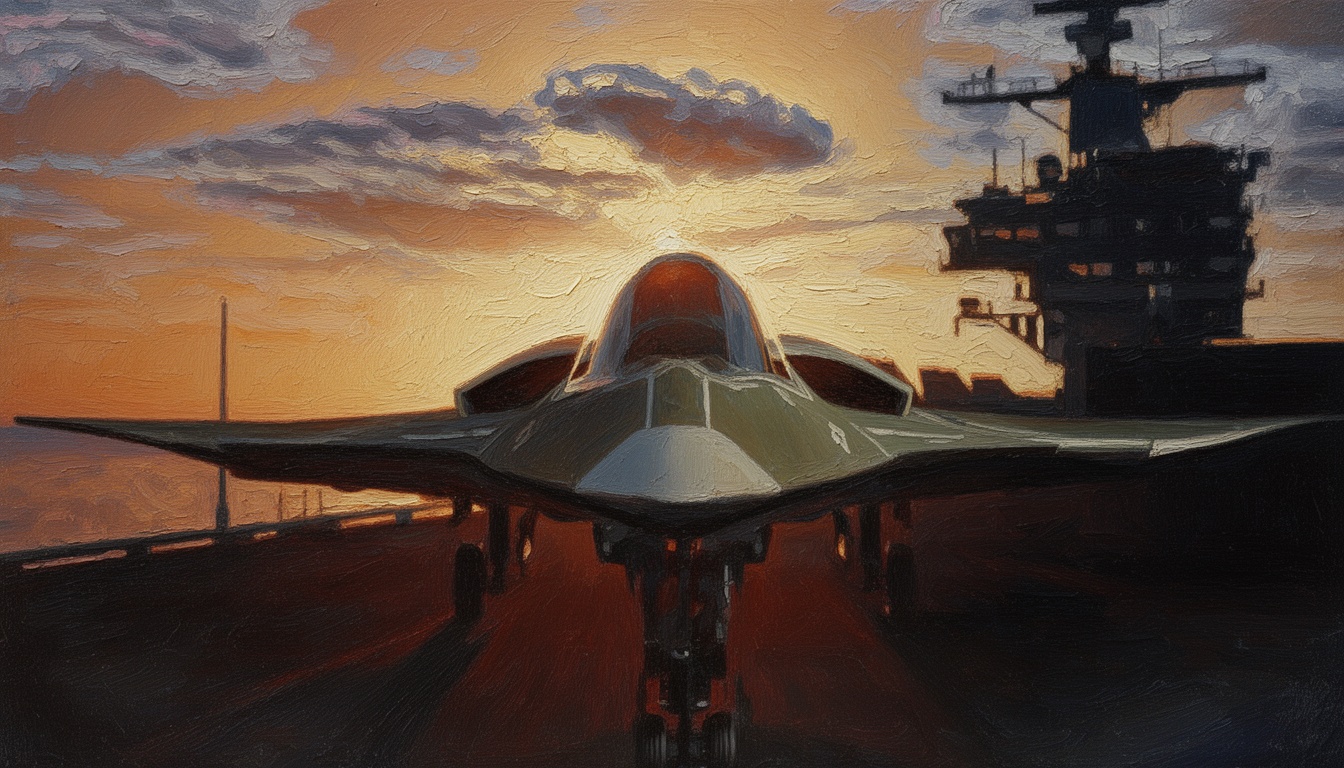
Northrop Defends F/A-XX Viability If Selected
Naval aviation faces a potential 6th-gen fighter program. Northrop argues it can deliver if chosen, while the Navy warns a competitor may not meet timelines. The development flags a high-stakes contest over future carrier air power.
The Navy's top official signaled a critical constraint on the F/A-XX program: an unnamed contractor reportedly cannot deliver within the required timeframe. Northrop Grumman has pushed back, defending its capability to build a 6th generation naval fighter if selected. The exchange underscores the intense competition to define the next generation of carrier air power. The stakes extend beyond a single company to broader industrial and strategic economics for the U.S. and allied navies.
Context matters: the F/A-XX program sits at the intersection of evolving threat environments and the demand for advanced carrier aviation. The service is pursuing disruptive technologies, including steeper sensor fusion, next-gen stealth, and potentially directed energy or high-end missiles. The contractor dispute comes as modernization plans accelerate, with partners wary of schedule slippages and funding cycles. The Navy aims to preserve industrial base readiness while ensuring performance milestones align with strategic timelines.
Strategically, the outcome of this selection shapes deterrence dynamics in contested maritime theaters. A timely 6th-gen fighter could reshape carrier strike capabilities against modern anti-access/area-denial environments. Conversely, delays risk elevating near-term vulnerabilities and increasing reliance on legacy platforms. The dialogue also tests supply-chain resilience, industrial competition, and alliance interoperability in future fleet deployments.
Operationally, the discussion centers on envisioned capabilities: range, payload, sensor networks, and stealth envelopes for ship-borne air dominance. Budget implications loom large, with multi-decade procurement plans requiring sustained funding and industrial partnerships. If Northrop is selected, execution would hinge on integrating new airframes with evolving carrier deck handling, ship integration, and maintenance ecosystems. Analysts forecast a heightened political tempo around program milestones and congressional oversight as contracts mature.
Looking ahead, a final decision will drive near-term program ramps and vendor competition. A successful path for F/A-XX hinges on credible schedule adherence, realistic performance claims, and robust industrial collaboration. The period ahead will test U.S. naval aviation’s ability to balance cutting-edge tech risk with proven wartime readiness, shaping power projection across the Indo-Pacific and beyond.