North Korea’s Missile Tests Heighten Tensions Before US-China Summit
North Korea’s recent missile and cluster munition tests escalate military tensions ahead of the US-China summit, with Beijing potentially mediating to reduce Korean peninsula risks. Analysts view the meeting as a chance to revive US-North Korea dialogue through China.
North Korea has conducted a series of weapons tests, including cluster munitions and radar-evading projectiles, in the days leading up to the US-China summit scheduled for next month. Pyongyang states these tests demonstrate its continued military capabilities amid growing geopolitical tensions. The tests signify a clear signal of strength from North Korea as it faces ongoing diplomatic pressures.
Historically, North Korea uses weapons demonstrations to leverage negotiations and alter diplomatic dynamics on the Korean peninsula. The US-China summit is expected to focus heavily on regional security challenges, including denuclearization and stability involving North Korea. Beijing’s possible role as a diplomatic intermediary reflects China’s strategic interests in regional peace and influence over the Korean peninsula.
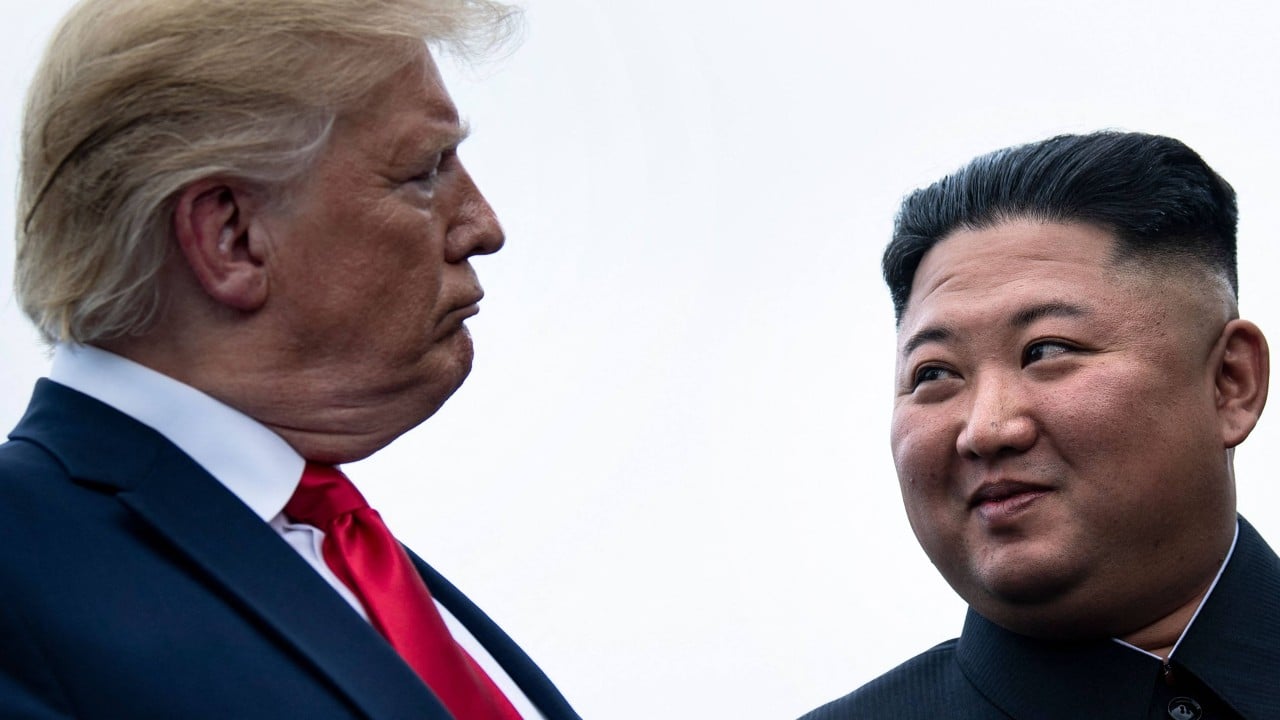
Strategically, the tests complicate the security environment but also set a stage for renewed dialogue. China's engagement could facilitate communications between North Korea’s Kim Jong-un and US President Donald Trump, aiming to reduce conflict risks through diplomatic channels. The summit is thus critical in shaping future military and political alignments in Northeast Asia.
Technically, the missiles tested include advanced features designed to evade radar detection, demonstrating Pyongyang’s advancing weapons technology. Cluster munitions add to the complexity of North Korea’s arsenal, raising concerns regarding escalation and regional arms control. These weapons display Pyongyang’s intent to maintain a credible deterrent and bargaining leverage.
Going forward, the combination of missile tests and diplomatic outreach suggests a dual-track North Korean strategy blending coercion and dialogue. How China maneuvers during the summit will heavily influence the trajectory of US-North Korea relations and broader regional security. The global community remains attentive to potential shifts in military postures and diplomatic engagements following the summit.