North Korea's Kim escalates show of force in high-stakes climate
North Korea's Kim Jong-un intensifies appearances at military events as Washington's Iran focus stretches global security. Analysts see strengthened deterrence signaling and increased regional risk. The regime seeks to project confidence domestically while testing international tolerance for unprecedented drills.
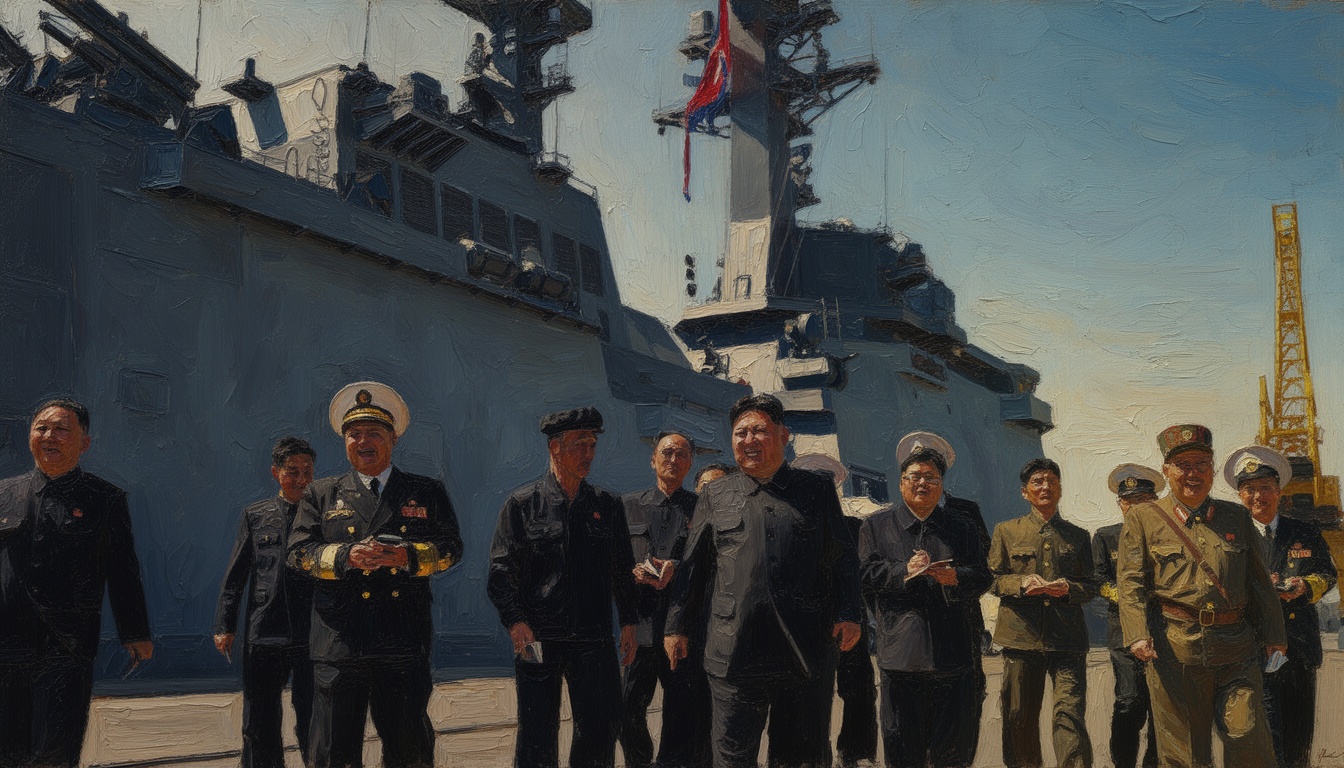
The North Korean leader is stepping up public displays of military power as US pressure on Iran sustains global attention. Kim Jong-un has appeared more frequently at parades, field drills, and missile tests, signaling an accelerated campaign to bolster domestic legitimacy amid external tensions. Analysts say the increased visibility is a deliberate choice to reassure the regime’s base that Pyongyang’s deterrent remains credible. The regime’s timing coincides with an intensifying ecosystem of sanctions, diplomacy, and possible crisis hotspots around the Middle East. The display aims to fuse political theater with operational signaling intended to deter rivals and deter speculation about a possible escalation.
Background: Kim’s strategy follows a pattern of using military demonstrations to shape both domestic and international perceptions. By foregrounding rapid test cycles and disciplined formations, Pyongyang is keeping the message simple: the nuclear-armed state will not be pressured into concessions. In recent cycles, the leadership has coupled long-range launches with conventional drills, underscoring a multipronged push to widen the range of deterrence options available. Western observers note that the Iranian crisis offers Pyongyang a useful backdrop to stress its own resilience. The choreography of events appears designed to keep allied observers guessing about the next move. This is a classic case of deterrence through showmanship, but with genuine capability behind the theater.
Strategic significance: The convergence of North Korean and Iranian risk narratives heightens regional instability and complicates alliance calculations. Washington’s attention being stretched could tempt misreadings by Seoul, Tokyo, and regional partners about the depth of US commitment. Pyongyang’s extended drills fuel suspicions about planned operational testing and possibly broadened missile flight domains. In parallel, the push strengthens the bilateral optics with Iran while signaling to rivals that Pyongyang will not vacate space for negotiation at the expense of its strategic gains. The net effect is a higher ceiling for crisis dynamics in East Asia and the broader Middle East nexus, with potential spillovers to global markets and defense postures.
Technical and operational details: The regime has staged multiple short- and medium-range launches, coupled with massed ground formations and live-fire exercises. Observers cite upgraded propulsion profiles and sustainment logistics designed to support higher cadence tests. Ground forces have demonstrated rapid assault drills, while air defenses and electronic warfare teams practice integrated responses to complex threat scenarios. Budgets for these programs appear to prioritize enhanced missile accuracy, extended-range capability, and survivable C2 networks. The overall force posture emphasizes deterrence endurance against a range of potential adversaries and cross-domain maneuver potential.
Consequences and outlook: The escalation raises the probability of accidental or intentional clashes near flashpoints in Northeast Asia and the broader Indo-Pacific. Alliance capitals will scrutinize US commitments and allied readiness, seeking assurances that deterrence remains credible without triggering a costly miscalculation. If Kim’s show of force translates into tangible capability improvements, regional deterrence dynamics will tilt toward a more volatile balance. Washington and its partners may respond with calibrated sanctions, renewed diplomatic compression, and intensified readiness to project power across theaters. The coming months will test whether deterrence remains stable or slides toward a crisis phase.