North Korea-Russia deepen anti-West alliance as Ukraine war persists
North Korea and Russia are intensifying security ties amid global instability, portraying their partnership as a coordinated bulwark against Western influence. The Ukraine war serves as a unifying symbol of their shared stance. Observers describe ongoing efforts to synchronize political messaging with demonstrable military cooperation.
The two states are moving to consolidate military ties at a moment of heightened global volatility. Observers note that both North Korea and Russia are leveraging the Ukraine conflict to frame a durable anti-Western axis. Public gestures, such as joint symbols and coordinated rhetoric, are paired with practical steps aimed at expanding military coordination and political signaling. The relationship appears designed to project strength and deterrence beyond bilateral interests, signaling intent to complicate Western strategic calculus across multiple theaters.
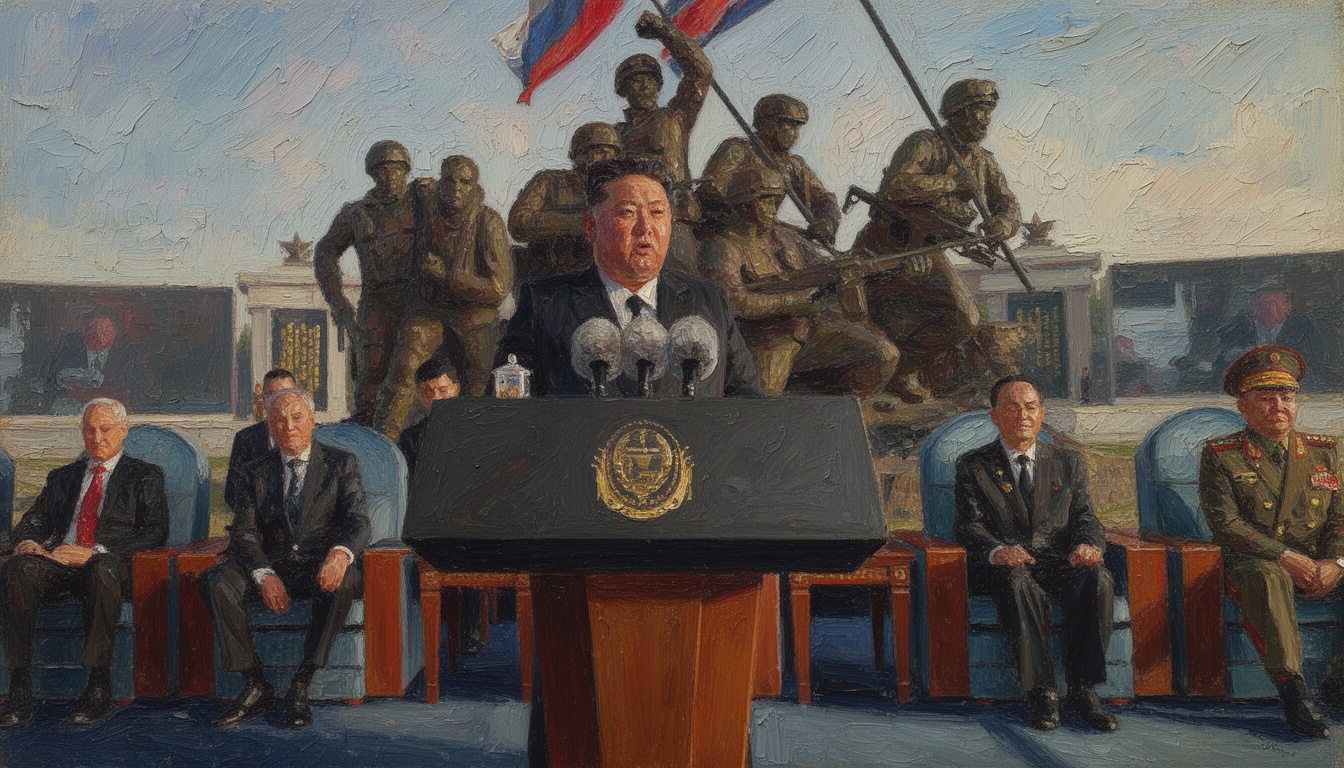
Context matters. Russia seeks to offset material shortfalls through partnerships that grant access to manpower, equipment, or auxiliary support, while North Korea seeks leverage and strategic legitimacy on the international stage. The Ukraine war is being used as a catalyst to justify deeper military compatibility and to legitimize shared strategic objectives. Analysts warn that the partnership is not merely symbolic; it is evolving into structured channels for intelligence sharing, logistics, and potentially joint drills or albeit limited interoperability efforts. The memorial gesture in Pyongyang underscores a ritual of shared sacrifice and common grievance toward Western policy.
Strategically, the alliance complicates Western efforts to isolate either state and adds pressure on allied planning regarding deterrence in Europe and Asia. By presenting a united front, Moscow and Pyongyang aim to deter Western coercion and to multiply the perceived costs of pressure campaigns. The bilateral alignment also signals to other powers that the Western-led order may face a more resilient and diversified coalition, reducing the effectiveness of sanctions or diplomatic isolation alone. The dynamic could shift balance-of-power calculations in informal security architectures and trigger responses from regional actors reevaluating their own security postures.
Operationally, the partnership implies potential expansions in defense-industrial and military-technical cooperation. Details remain opaque, but the coupling of manpower and materiel demands could translate into shared supply chains, maintenance arrangements, and potential cross-training or limited interoperability initiatives. If realized, these steps would extend the duration and resilience of both states’ military campaigns, complicating third-party access to critical capabilities. The evolution may prompt Western planners to accelerate counter-balancing measures, from embargo enforcement to targeted defense collaborations with allies in regions where the two powers seek influence.
Forecasts suggest that Pyongyang and Moscow will continue to stylize their relationship as a durable anti-Western bulwark rather than a transient alignment. Expect heightened messaging around common security interests, including nuclear-armed deterrence narratives and strategic signaling in international forums. The practical effect for regional stability is a slower path to de-escalation in key hotspots, with a higher probability of reinforcing costly stalemates or protracted confrontations. Western and allied intelligence efforts will likely prioritize monitoring for any concrete changes in force posture, logistics links, or joint exercises that could translate political intentions into measurable military effects.