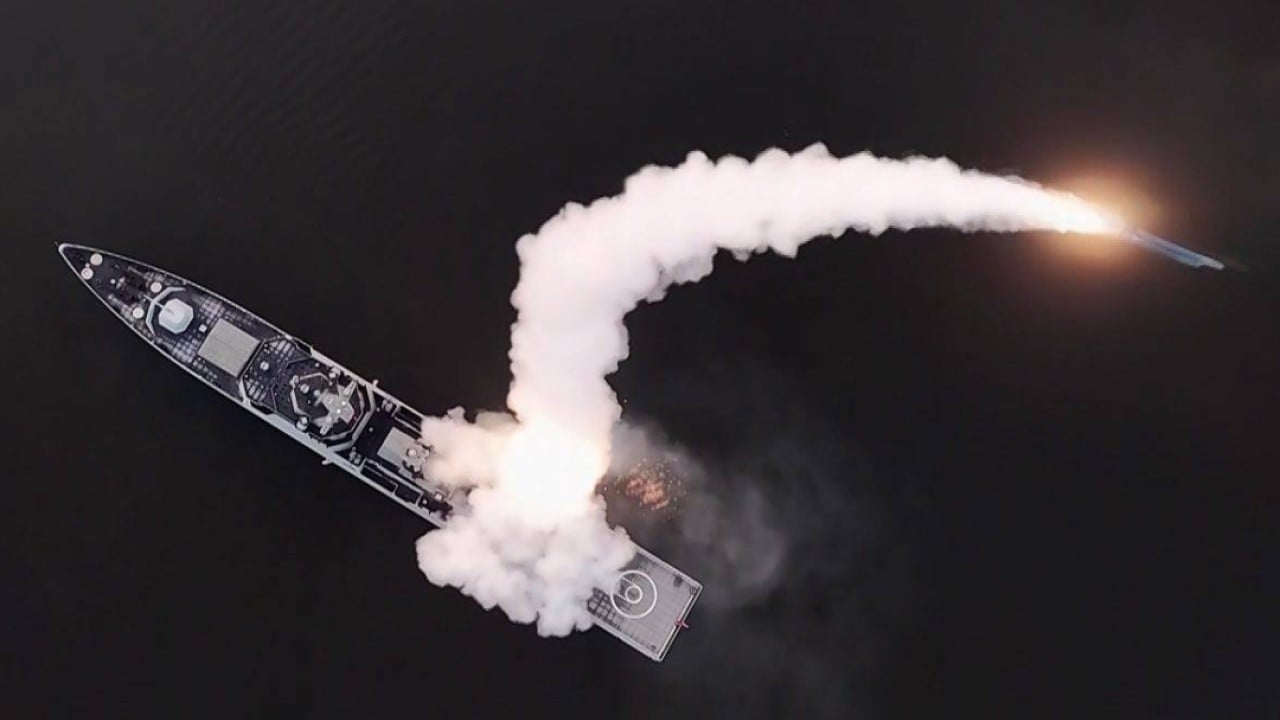
North Korea Launches 10 Ballistic Missiles Amid US-South Korea Drills
North Korea’s missile launch escalates tensions with the US and allies, signaling defiance amidst joint military exercises. This provocative show of force indicates a potential shift in regional power dynamics.
On Saturday, North Korea launched 10 ballistic missiles towards the eastern sea, significantly escalating military tensions in the region. This show of force comes as South Korea and the United States conduct joint military drills, intensifying an already precarious security situation. The missiles were reportedly fired from an area near Pyongyang, with South Korea's military confirming the event but withholding precise flight details initially.
The backdrop to this missile launch is a history of heightened animosities and military posturing on the Korean Peninsula. Relations between North and South Korea have deteriorated sharply over the years, especially following the failure of denuclearization talks and increasing military cooperation between Seoul and Washington. The joint military exercises, known for provoking North Korean ire, have become a routine point of contention, viewed by Pyongyang as a direct threat to its sovereignty.
This incident is critically significant as it showcases North Korea's ongoing commitment to its military modernization program, particularly its ballistic missile capabilities. The launch indicates defiance against the US and South Korea, revealing potential vulnerabilities in regional defense strategies. The firing of these missiles defies international sanctions and establishes North Korea's willingness to escalate military provocations during a time of joint military exercises in the vicinity, potentially destabilizing the regional balance of power.
Key actors in this situation include North Korea's leadership, particularly Kim Jong-un, who utilizes military displays to reinforce domestic legitimacy and project strength externally. For South Korea and the US, their joint military exercises aim to bolster defense readiness; however, the risk of miscalculation leading to a serious conflict remains a looming threat. Each side's refusal to back down illustrates the high-stakes nature of this ongoing confrontation.
Operationally, the details surrounding the missiles remain sparse, but North Korea has previously demonstrated upgraded missile technologies, including intercontinental ballistic missiles (ICBMs) like the Hwasong-15. The range, payload, and guidance systems of the missiles launched on Saturday will be scrutinized to assess further advancements in North Korea's arsenal. Such developments could necessitate a reevaluation of South Korean and US missile defense systems currently in place to counter North Korean threats.
The likely consequences of this launch suggest a trajectory toward further militarization and potential escalation of hostilities in the region. Responses from South Korea and the US may include enhanced naval deployments and increased aerial patrols, along with possible retaliatory military maneuvers. Additionally, a swift diplomatic response will be essential to avert a rapid spiral into conflict.
Historically, analogous missile tests have preceded heightened tensions and escalated military responses between North Korea and its adversaries. In 2017, for example, North Korea's series of missile launches culminated in an international crisis that brought the world to the brink of armed confrontation. The cycle of provocation and response appears set to repeat unless diplomatic avenues are earnestly pursued.
Looking ahead, observers should watch for increased military readiness on both sides, possible new sanctions from the international community, and any further missile tests by North Korea. Intelligence assessments will likely focus on the operational capabilities demonstrated by these missile launches and the ongoing military drills by the US and South Korea. Any signs of miscommunication or miscalculation during this period could lead to rapidly escalating tensions, underscoring the precariousness of the situation on the Korean Peninsula.