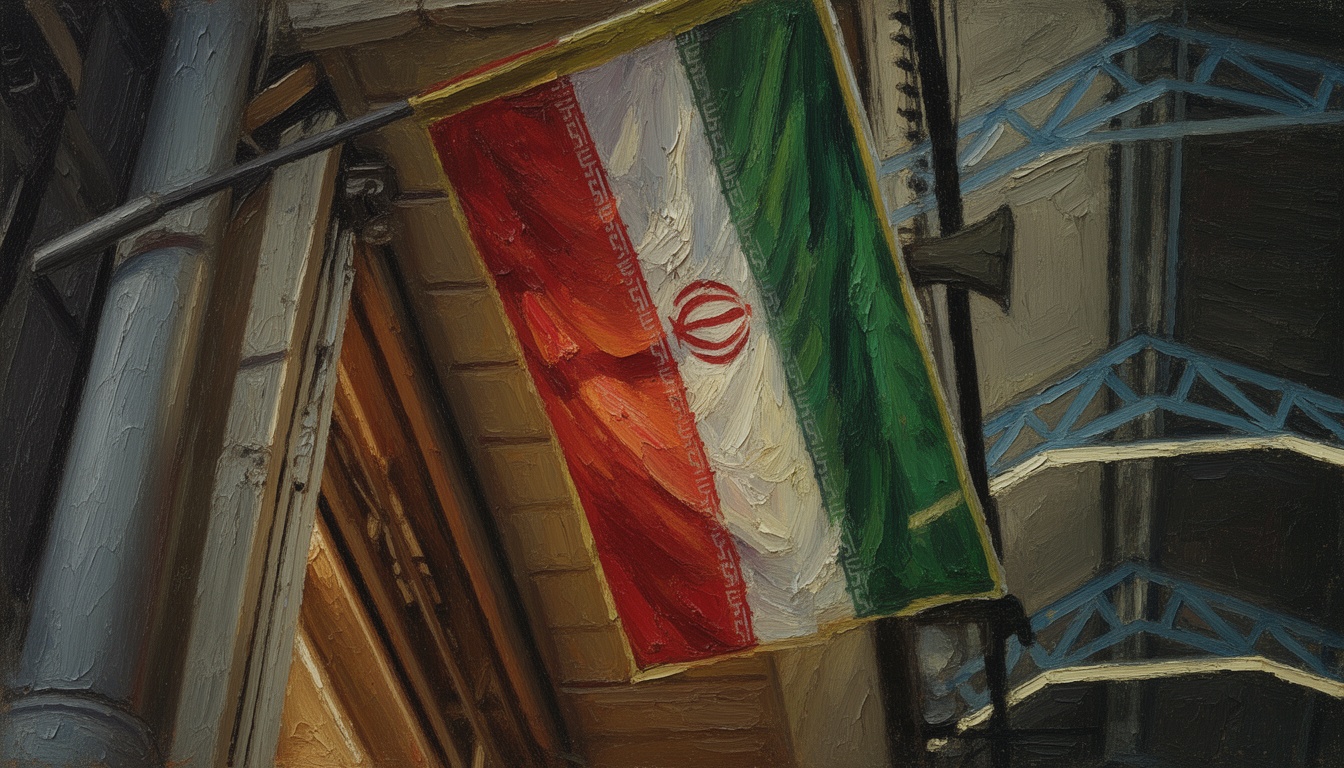
No signs of regime collapse as Iran weathers weeks of war
Iran shows no signs of capitulating as weeks of US-Israeli strikes continue. Ceasefire talks loom, but leadership remains entrenched amid economic pressure and domestic repression. Analysts warn the regime’s resilience sustains regional tensions and ongoing instability.
The regime in Tehran displays no signs of collapse after weeks of sustained pressure from US and Israeli strikes. Opposition voices and foreign calls for regime change have not produced a unifying crack in Iran’s political structure. Security services keep a tight grip on dissent while the leadership projects resolve and a willingness to endure economic hardship.
Analysts place the current crisis in a broader historical frame: Tehran has weathered external pressure before, and domestic cohesion often hinges on perceived external threats and economic endurance. The regime’s narrative emphasizes national sovereignty and resistance to foreign interference. While protests intermittently flare, they have not reached a scale capable of shifting the political balance.
Strategically, Iran benefits from geographic depth, regional proxies, and a centralized decision cycle that short-circuits rapid leadership turnover. The external campaign risks elevating nationalist sentiment and bolstering public support for hardline elements. In parallel, mounting sanctions constrict the regime’s access to hard currency, complicating imports and social spending without triggering a wholesale leadership change.
From a tactical standpoint, Jordanian, Iraqi, and Persian Gulf alignments matter as salience grows around Iranian influence operations and deterrence postures. The US-Israel effort appears calibrated to avoid a rapid collapse while preserving room for diplomatic backchannels. The long-term implication is a gnawing uncertainty: the conflict remains costly, with no clear winner in sight and Iran likely to weather the storm with internal consolidation intact.
Looking ahead, the regime faces a painful calculus: sustain the war economy and domestic policing, or attempt partial recalibrations to ease sanctions and appeal to a broader domestic base. External actors will test Tehran’s readiness for compromise versus continued resistance. The coming weeks will reveal whether ceasefire talks translate into negotiations or drift into a protracted stalemate with widening regional spillovers.