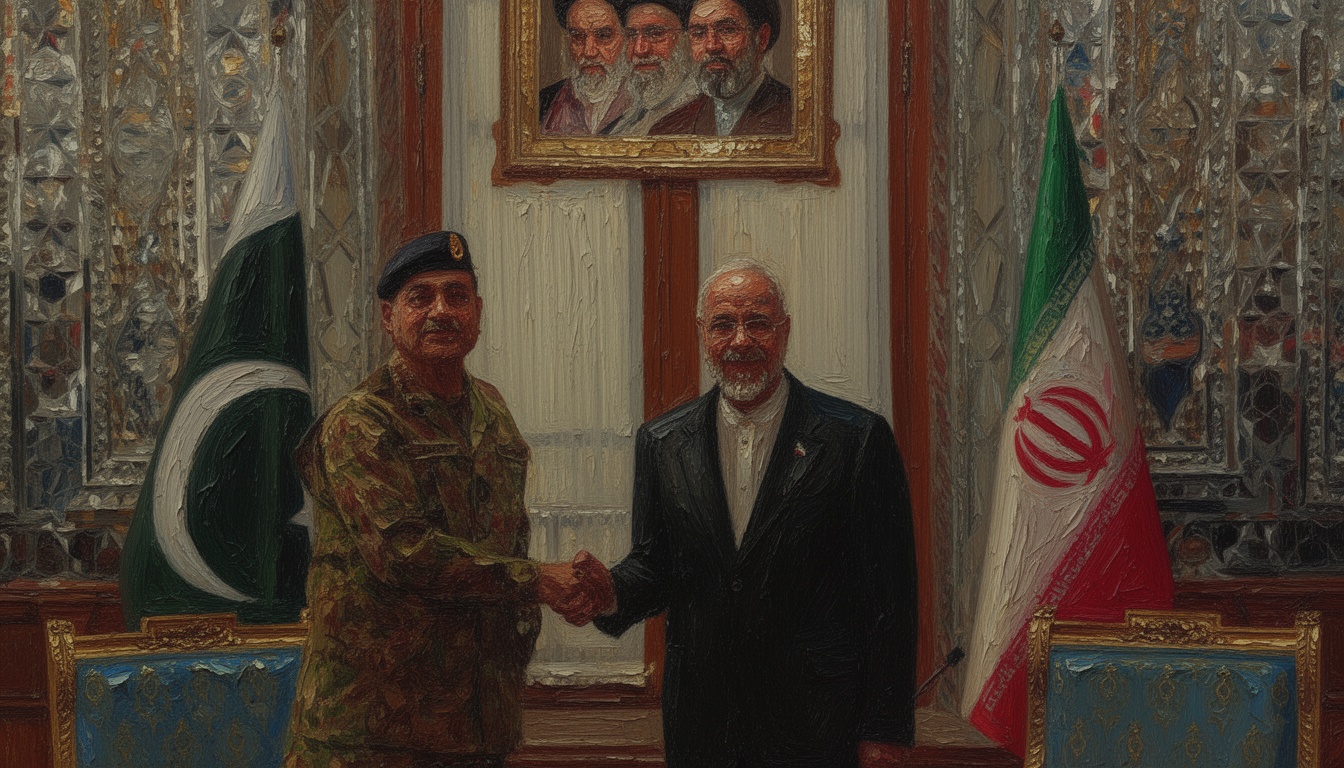
No date set for US-Iran talks as Pakistan pushes to keep diplomacy alive
Diplomatic efforts to resume discussions between the United States and Iran stall on scheduling. Pakistan’s leadership moves to sustain channels with key regional and international players, aiming to prevent a slide toward further confrontation. The move underscores the fragile balance of leverage and mediation in a tense, multi-party security environment.
Diplomatic talks between the United States and Iran have not been scheduled, even as Pakistan主动推动 diplomacy among the major regional actors. Islamabad’s prime minister and army chief are travelling to senior officials and influential state actors to press for renewed dialogue and to sustain a pathway to negotiation. The objective remains to prevent a deterioration of tensions and to sustain existing diplomatic channels. The absence of a concrete date highlights the fragility of multi-party diplomacy in a volatile security landscape.
Historically, Pakistan has positioned itself as a mediator between Iran and external powers, leveraging regional ties to encourage restraint and dialogue. The current push comes as cycles of messaging from Washington and Tehran show limited progress on denuclearization, sanctions relief, and regional conflict management. Pakistan’s diplomatic mission seeks to bridge gaps, gather assurances from several partners, and keep open lines for future negotiations. The maneuver signals a preference for managed engagement over unilateral pressure.
This development sits at the intersection of regional security architecture and great-power competition. Iran’s strategic calculations depend on the durability of incentives offered by the U.S. and its allies, while Washington weighs sanctions policy against diplomatic overtures. Pakistan’s role as an intermediary reflects its desire to preserve influence in a volatile theater and to prevent spillovers into South Asia. The situation remains fluid, with risk of miscalculation by any party raising the odds of unintended escalation.
On the operational front, the lack of a fixed schedule complicates alliance management and intelligence sharing among participants. If talks resume, expect a staged process with confidence-building measures, high-stakes concessions, and a focus on ballistic missiles, sanctions architecture, and regional crisis management. For Islamabad, sustaining momentum requires securing buy-in from key regional actors and ensuring that a diplomatic track remains visible to domestic audiences and international partners. The coming weeks will reveal whether Pakistan’s diplomacy translates into tangible commitments or merely preserves a fragile pause in a broader confrontation trajectory.
The likely consequences point to a cautious, calibrated path forward. A resumption of talks could limit imminent military exchanges and reduce risk to regional economies, energy markets, and civilian populations. Conversely, failure to anchor a next meeting could embolden adversaries to pursue coercive tactics or accelerate weapons development programs. Analysts will monitor for shifts in rhetoric, new mediation initiatives, and any signs of alignment or divergence among major powers.