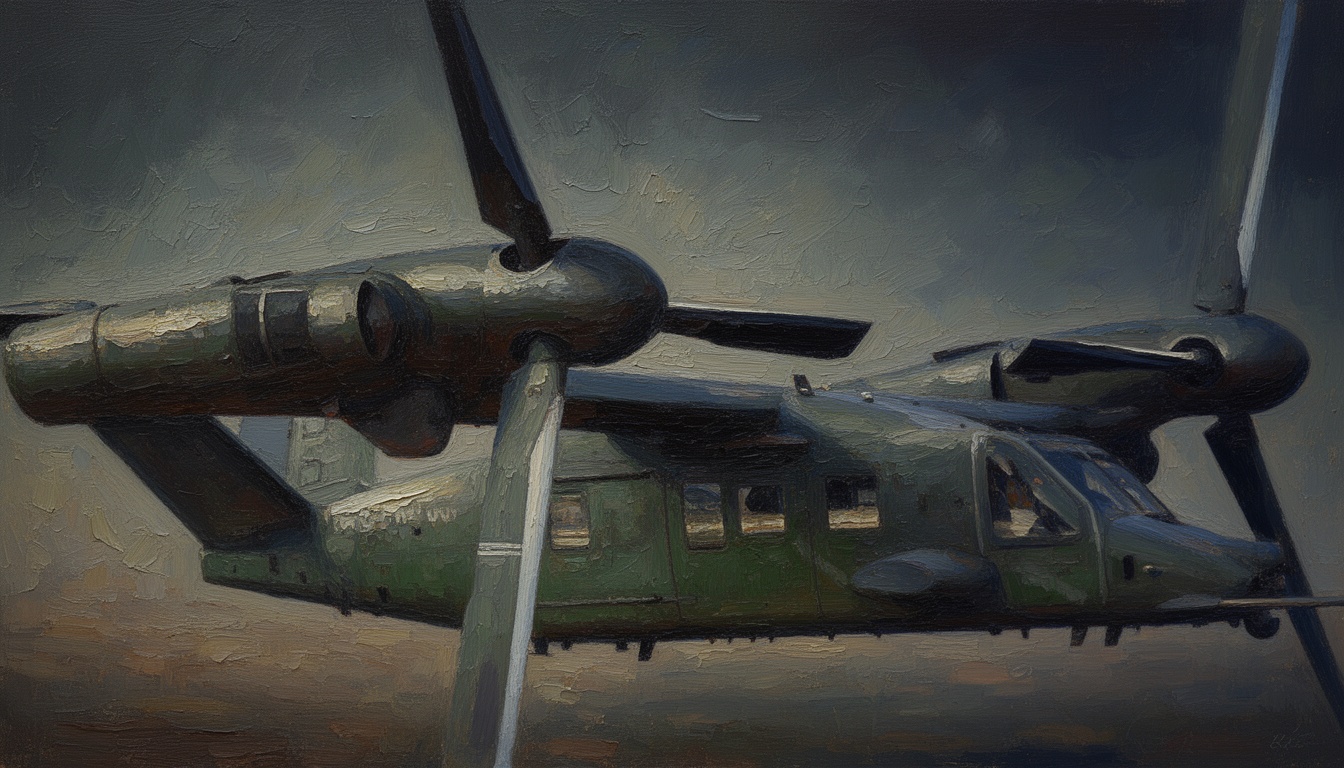
Night Stalker MV-75 Cheyenne Revealed: First Look
A fresh rendering depicts an MV-75 Cheyenne variant tailored for special operations, featuring radar, sensors, and in-flight refueling. The design signals a potential leap in clandestine airmobile capability and survivability. Analysts weigh implications for regional balance and future procurement debates.
The first public rendering of a Night Stalker MV-75 Cheyenne shows a variant optimized for special operations missions. The image highlights a radar array, advanced sensors, and an in-flight refueling probe, suggesting extended range and persistence. While details remain speculative, the configuration aligns with a broader trend toward survivable, long-endurance rotorcraft for clandestine insertion and high-value target missions.
Contextualizing this concept within modern rotorcraft development, manufacturers have pursued modular sensors and low-observable profiles to enhance survivability in contested airspace. The MV-75 Cheyenne designation evokes a lineage of stealthy, versatile platforms designed for precise assaults and rapid exfiltration. If realized, the aircraft would compete with next-generation special mission helicopters and potentially fill gaps left by aging fleets.
Strategically, the MV-75 Cheyenne could alter how state and non-state actors plan airborne operations in sensitive theaters. Enhanced range and sensor fusion would complicate enemy air defenses and improve real-time targeting coordination with ground units. The platform would also influence allied interoperability, requiring updated tactics, training, and maintenance ecosystems across partner forces.
Technical details circulating in open sources point to a multi-mission airframe with a naval-grade fuel system, an integrated radar suite, and modular payload bays for sensors and lures. Engine, rotor, and survivability improvements would aim to reduce mission risk during night or limited-visibility assaults. Budgetary signals and timelines remain uncertain, but the concept aligns with a broader push to extend rotorcraft reach without compromising maneuverability.
If the MV-75 Cheyenne advances beyond renderings, expect scrutiny of cost, industrial support, and alliance-wide compatibility. Operators will seek assurances on stealth, sensor resilience, and in-air refueling reliability under combat conditions. Analysts will monitor procurement appetite, training demands, and potential regional impact as more nations weigh similar high-end special operations platforms.