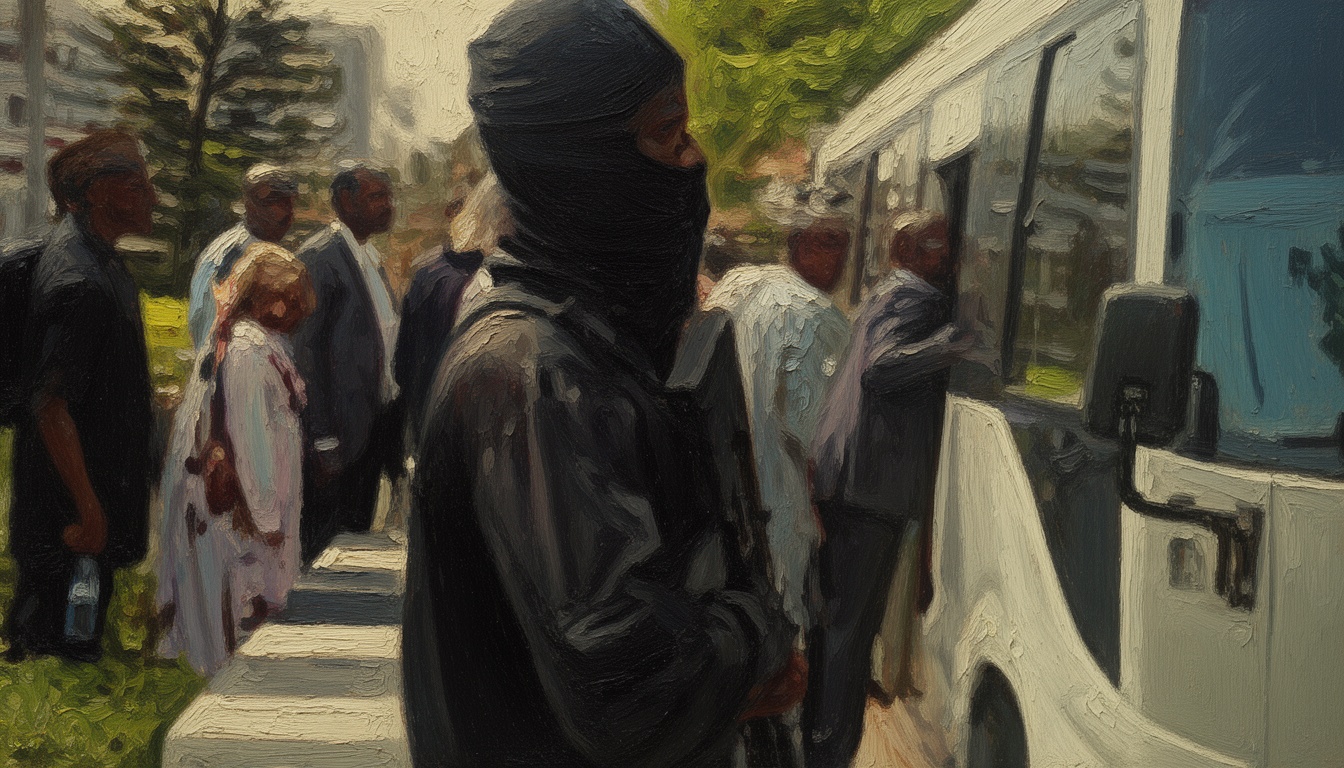
Nigeria's suspected coup plotters deny treason charges
Nigerian authorities allege a coup plot; suspects publicly deny treason. The case highlights political instability risks ahead of elections and regional security dynamics in West Africa.
A group of individuals suspected of involvement in a coup attempt have denied treason charges. Their lawyers argue there is insufficient evidence to prove intention to topple the government. The defendants remain in custody as investigations continue, with officials insisting the case is ongoing. The charges come after months of political turbulence surrounding security and governance in the country.
Contextual factors include a history of military interference in West Africa and ongoing concerns about unity and security across Nigeria's states. Authorities have repeatedly warned against plots that could destabilize the civilian government. Local observers note the case could become a flashpoint if trials reveal deeper alliances or external influence. The timing coincides with heightened security operations against insurgent groups in the northeast.
Strategically, the affair tests Nigeria's civilian-military balance and the strength of its anti-corruption and anti-terror legal framework. If treason charges hold, they may deter future attempts and bolster government legitimacy. Critics warn, however, that prosecutions could provoke backlash if perceived as politically motivated. The outcome will influence Nigeria's domestic legitimacy and regional credibility in security coordination.
Technical details remain sparse; prosecutors allege involvement in activities tied to a plot to seize power, but specific weaponry, logistics, or dates have not been publicly disclosed. Defence lawyers emphasize due process and argue for transparency in evidence and proceedings. Observers expect a tightly staged court process with potential appeals and international human rights scrutiny. The case could shape how security services integrate civilian oversight with counter-coup measures.
Forward assessment suggests the episode will intensify political auditions ahead of elections and press for greater civilian oversight of security agencies. A successful prosecution would raise the deterrence threshold for similar schemes in the region. Conversely, if the defense gains traction, it could fuel debates about civil liberties and government overreach during security crises. Either path will affect Nigeria's internal stability and its role in West African security architecture.