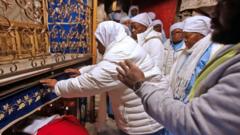
Nigeria Suspends Christian Pilgrimages as Middle East Tensions Escalate
Nigeria has suspended Christian pilgrimages to the Holy Land, citing escalating regional conflicts as a direct threat. This decision underscores the growing dangers posed by ongoing violence in the Middle East, impacting international travel and religious activities.
Nigeria's National Commission for Pilgrimages has announced an immediate halt to Christian pilgrimages to the Holy Land, driven by surging violence and conflict in the Middle East. This stark decision comes as armed hostilities increase, creating a volatile environment that threatens the safety of pilgrims. The commission labeled the suspension crucial for ensuring the safety and comfort of worshippers during a time of rising regional instability.
The suspension follows a series of violent clashes between Israeli forces and Palestinian armed factions, heightening regional tensions. The recent escalation in violence has resulted in hundreds of casualties across Israel and Gaza, with the situation spiraling quickly in an area already marked by historical conflict. The announcement from Nigeria reflects a broader apprehension over the risks facing travelers in the region, particularly those engaged in religious pilgrimages.
This development is significant as it not only impacts Nigeria’s religious community but also underscores the tension between Nigeria and broader Middle Eastern geopolitics. The decision may deter other nations from sending pilgrims, further isolating Israel and Palestine amidst an increasingly unstable security environment. The suspension reveals vulnerabilities within Nigeria, showing how external conflicts can directly affect domestic policies and the wellbeing of its citizens.
Key motivations behind Nigeria's move are likely rooted in domestic political considerations, particularly the need to maintain public safety and avoid backlash from the Christian community. As the nation grapples with its own security challenges, including threats from extremist groups, the government may be positioning itself as a protector of its citizens against foreign threats, reinforcing national cohesion.
Operationally, the halting of pilgrimages sends a message of caution that security concerns are paramount. Nigeria's pilgrimage programs, often involving thousands of participants, may incur considerable financial losses with potential repercussions for associated businesses. Reports suggest that previous pilgrimages contributed approximately $20 million annually to local economies, a figure that could plummet with this ban.
The likely consequences of this suspension extend beyond economic loss, escalating tensions between differing religious populations in Nigeria. It raises the risk of increased sectarian grievances or protests as the faithful express frustration at the inability to fulfill long-standing religious traditions. The temporary nature of the suspension could be a precursor to more significant policy shifts should the regional situation continue to deteriorate.
Historically, similar decisions have been made during periods of intense geopolitical conflict, with nations often prioritizing safety over cultural or religious commitments. Past instances have shown that cancellations of pilgrimages can lead to long-term impacts on religious communities, fostering resentment or creating new sectarian divides fueled by perceived inaction or abandonment.
Going forward, watchers should monitor developments in the Middle East for escalating violence, as this could lead other nations to follow Nigeria's lead. Signals to look for include further military escalations, shifts in public sentiment among Nigerian Christians, and official government communications regarding future pilgrimages. The situation remains fluid, with potential for rapid changes impacting global religious gatherings and international security.