New World War II Series Risks Glorifying Conflict Amid Rising Military Tensions
The History Channel's upcoming series may distort perceptions of modern military conflicts. With global tensions escalating, romanticizing war can have dangerous consequences.
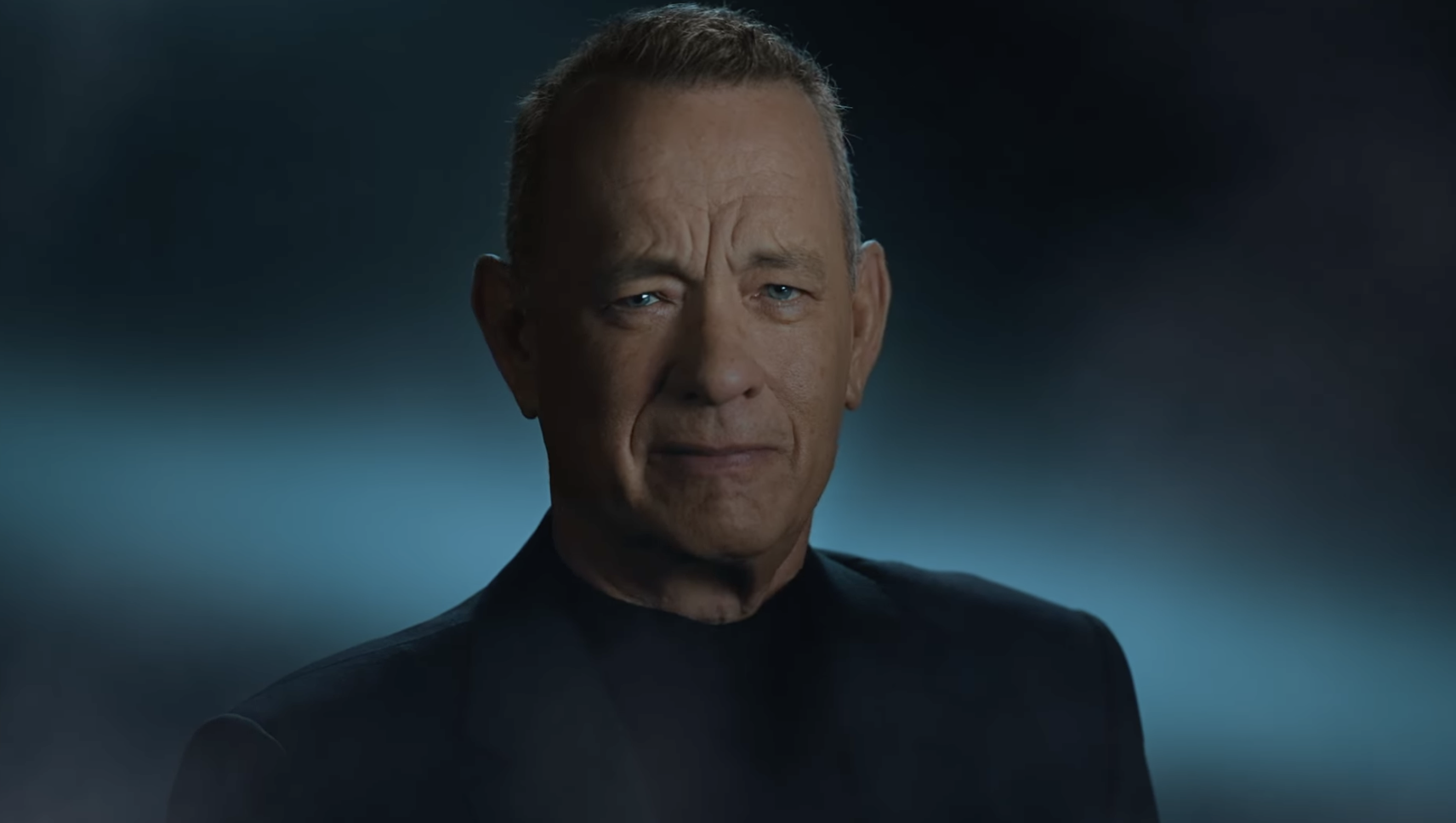
The History Channel's announcement of a 20-part series titled 'World War II with Tom Hanks' has raised alarms about the potentially glorifying portrayal of warfare. Scheduled for release on Memorial Day weekend, this series aims to recount historical military events but risks overshadowing current global conflicts and rising tensions in military hotspots around the world.
Historically, World War II has been romanticized in popular media, often minimizing the brutal realities of warfare and its enduring consequences. As the international community grapples with numerous conflicts, including ongoing disputes in Eastern Europe, the South China Sea, and the instabilities in the Middle East, the timing of this series could serve to perpetuate an outdated view of global military dynamics.
This development is significant as nations like Russia and China continue to expand their military capabilities, signaling a return to power politics reminiscent of conflict-laden periods. The glorification of past wars may influence public sentiment regarding military engagement today, potentially downplaying the risks of new confrontations that could erupt from existing tensions.
Key actors involved in the production, such as Major League Baseball executive and filmmaker Tom Hanks, may possess financial motives that seldom consider the real implications of their narratives. By focusing on historical valor while ignoring the ramifications on modern warfare understanding, influential figures risk crafting a narrative that separates the audience from the harsher realities faced by soldiers today.
The series' technical aspects concerning historical accuracy in cinematic portrayals of warfare are paramount. With large budgets and high expectations, producers will likely prioritize engaging dramatizations that appeal to audiences over a nuanced understanding of military strategy. This can result in glossing over crucial lessons learned from past conflicts, failing to distinguish between valor and sheer brutality.
The potential consequences of this series could include a romanticized view of military engagement, impacting how younger generations perceive the necessity and nature of warfare. Misrepresentation could lead to support for aggressive policies in military theaters where cooler heads ought to prevail, especially when juxtaposed against real-time military build-ups in hotspots globally.
Historically, there have been similar instances where media portrayals of war have influenced public opinion and policy. Films and series glorifying past conflicts have occasionally resulted in increased militaristic ardor among populations, often leading to unhealthy war sentiments and misunderstandings of the grim realities of war.
Forward-looking, audiences must remain vigilant about how this series could alter perceptions of modern military conflict. Intelligence indicators to monitor include shifts in public opinion regarding military action, changes in defense policies inspired by newfound sentimentality, and the reactions from military analysts on the reliability of history’s lessons as presented in popular media.