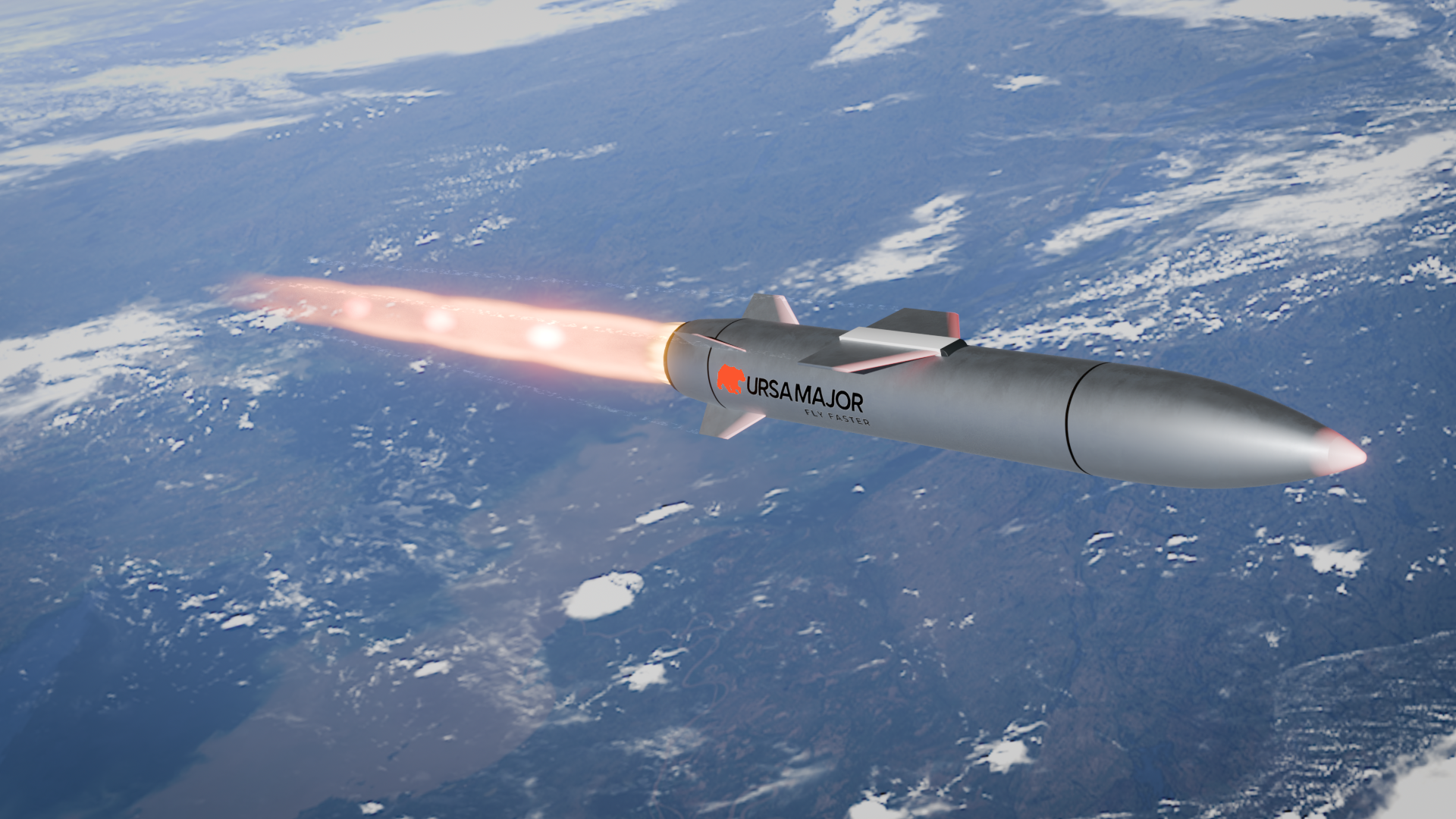
New hypersonic missiles escalate global arms race on multiple fronts
With the unveiling of medium-range hypersonic missiles, military capabilities of major powers face a critical shift. The new technology enhances targeting flexibility and speed, exacerbating existing tensions among rival nations.
The recent introduction of medium-range hypersonic missiles capable of variable flight speeds represents a significant escalation in military technology, impacting air and ground systems. This new weaponry threatens to redefine combat dynamics by potentially allowing for precision strikes that evade conventional missile defenses. The system, which is powered by a liquid rocket engine, can maneuver mid-flight, making it more challenging to intercept and counteract.
Historically, hypersonic technology has been a focal point for defense research among leading military powers. Countries like the United States, Russia, and China have invested heavily in developing their own hypersonic capabilities, responding to perceived threats and competitive pressures. Previous milestones in hypersonic research set a tense backdrop for this latest development, cementing the strategic imperative behind such weaponry as nations aim for technological supremacy.
The unveiling carries alarming implications for international security, as missile systems capable of speeds exceeding Mach 5 can be launched from various platforms, threatening both regional and global stability. The ability to alter speed in-flight provides a tactical advantage that could significantly disrupt current missile defense paradigms. Such advancements further blur the line between deterrence and aggression, placing additional pressure on nations that may lack comparable technology.
Key actors involved in the development of these hypersonic missiles include military-industrial complex giants focused on ensuring their nations remain at the cutting edge of warfare technology. The motivations of these actors often veer toward strategic dominance rather than merely enhancing defense capabilities. The extensive investment in hypersonic systems is driven by the pressing urgency of countering competitor advancements rather than addressing genuine security threats.
Operational specifics remain classified, but estimates suggest that investment in hypersonic missile systems hovers in the range of several billion dollars, with the intention of deploying them over the next few years. If successfully incorporated into military arsenals, systems like these could radically alter the operational landscape, particularly in contested regions such as the Indo-Pacific and Eastern Europe.
The proliferation of hypersonic technology increases the likelihood of arms races, as nations race to develop countermeasures or matching capabilities. It raises the stakes during military engagements, complicating strategic calculations and leading to potentially escalatory miscalculations in already tense scenarios. With the newly unveiled missiles, the risk of misinterpretation and hasty military responses escalates significantly.
Historically, developments in missile technology have drawn parallels to the Cold War arms race, where advancements rapidly transformed military doctrines and created heightened tensions. The ongoing competition among modern powers echoes similar anxieties about preemptive strikes and surprise attacks, fostering an environment ripe for conflict.
Looking ahead, intelligence analysts must monitor how nations respond to this hypersonic threat, particularly through shifts in their military doctrines and defensive strategies. Indicators of escalated military exercises, enhanced missile defense systems, and further investments in hypersonic technology will be critical to watch as the arms race accelerates.