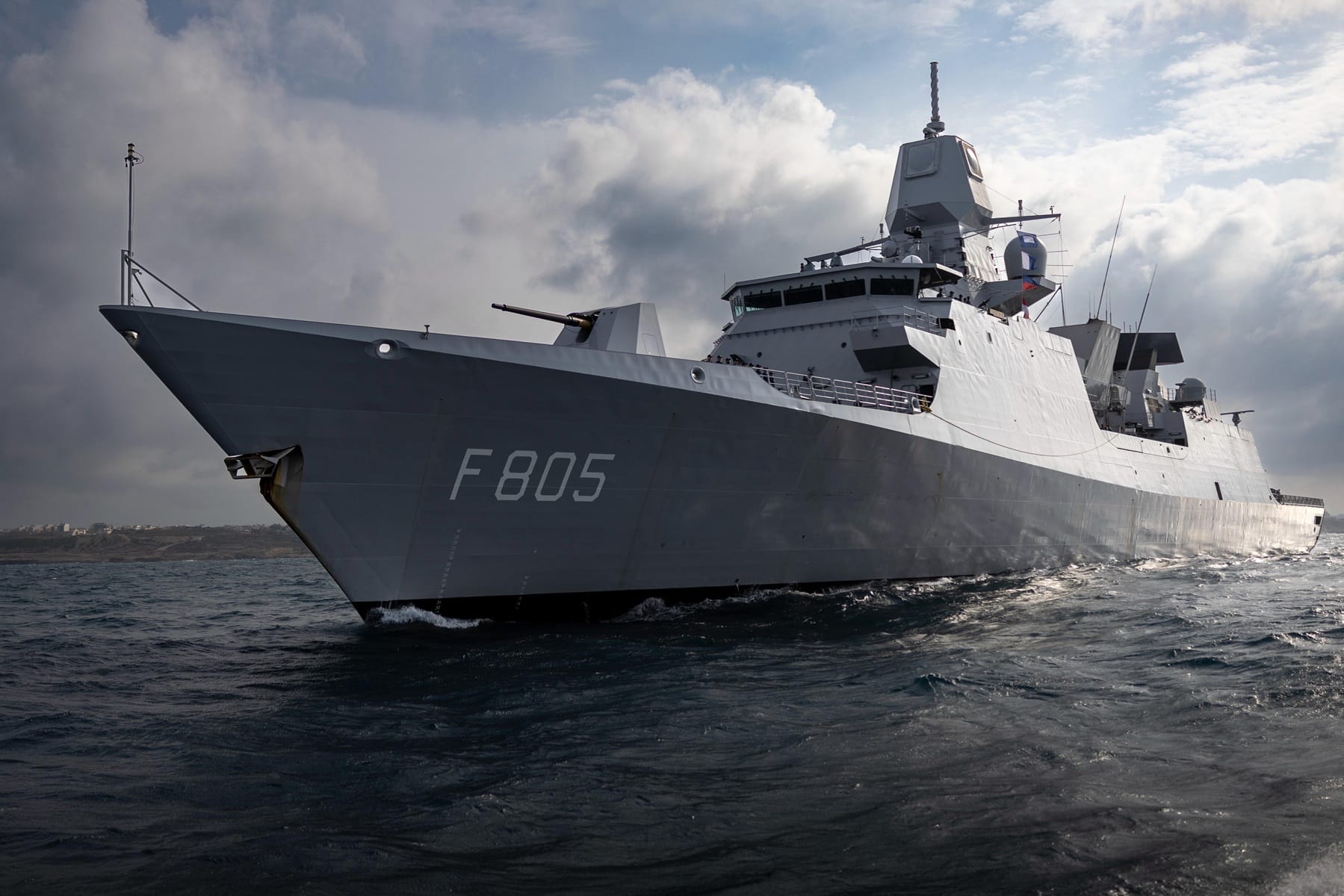
Netherlands Deploys HNLMS Evertsen for Mediterranean Naval Reinforcement
The Dutch government has intensified military posture by deploying HNLMS Evertsen to the eastern Mediterranean, signaling growing tensions in regional security dynamics. The frigate's mission emphasizes defense commitments to Cyprus and allied territories amidst increasing military activity in the region.
The Dutch De Zeven Provinciën-class frigate HNLMS Evertsen has been dispatched to the eastern Mediterranean, engaged in an operative role until early April. This deployment represents a decisive step by the Netherlands to bolster its maritime presence in a strategically significant area, reinforcing the Carrier Strike Group operations while ensuring the security of Cyprus and allied interests.
This mission follows escalating tensions in the Eastern Mediterranean, which has seen heightened military involvement from various nations, particularly in the wake of ongoing conflicts and territorial disputes. The area has been increasingly characterized by naval clashes and airspace violations, highlighting the urgent need for naval forces capable of rapid response and deterrence.
The deployment is significant as it underscores the Netherlands' commitment to NATO and the defense of European interests. By mobilizing advanced naval assets like the HNLMS Evertsen, the Dutch government demonstrates its readiness to counter aggressions that threaten their allies and regional stability, especially in light of the volatile situation surrounding Cyprus.
Key motivations for this deployment include projecting military strength and ensuring freedom of navigation in critical waterways. The presence of the HNLMS Evertsen, equipped with sophisticated air defense systems, enhances the military capabilities of the Carrier Strike Group and serves as a potent deterrent against potential adversaries in the region.
The HNLMS Evertsen features advanced capabilities including vertical launching systems for missile defense, advanced radar and surveillance systems, and a crew composition skilled in air defense operations. The frigate is expected to operate alongside allied naval vessels, providing integrated defense against aerial threats while conducting maritime security operations.
The likely consequences of this deployment include escalated military posturing from regional powers, particularly those with vested interests in the Eastern Mediterranean. The presence of the HNLMS Evertsen could provoke reactions from neighboring nations, further complicating an already tense situation as military assets vie for control over strategic maritime routes.
Historical parallels can be drawn from previous naval deployments in response to regional crises, notably during the Syrian Civil War, where international naval forces displayed similar posturing. The current dynamics echo those past interventions, where maritime presence serves both as deterrence and a means of ensuring allied safety.
Looking ahead, intelligence professionals should monitor signs of increased military activity from regional powers, particularly any naval responses to the HNLMS Evertsen's deployment. Additionally, developments surrounding Cyprus and ongoing naval exercises from neighboring nations will offer critical insights into the evolving power balance in the Eastern Mediterranean.