Netanyahu in South Lebanon: Hezbollah Invasion Threat Eliminated
Israeli Prime Minister Netanyahu asserts Hezbollah invasion threat is removed during a visit to troops in southern Lebanon. He notes the war persists, including within Lebanon's security zone, as Washington hosts direct talks two days later. The statement arrives ahead of trilateral discussions among Lebanon, Israel, and the U.S. in Washington.
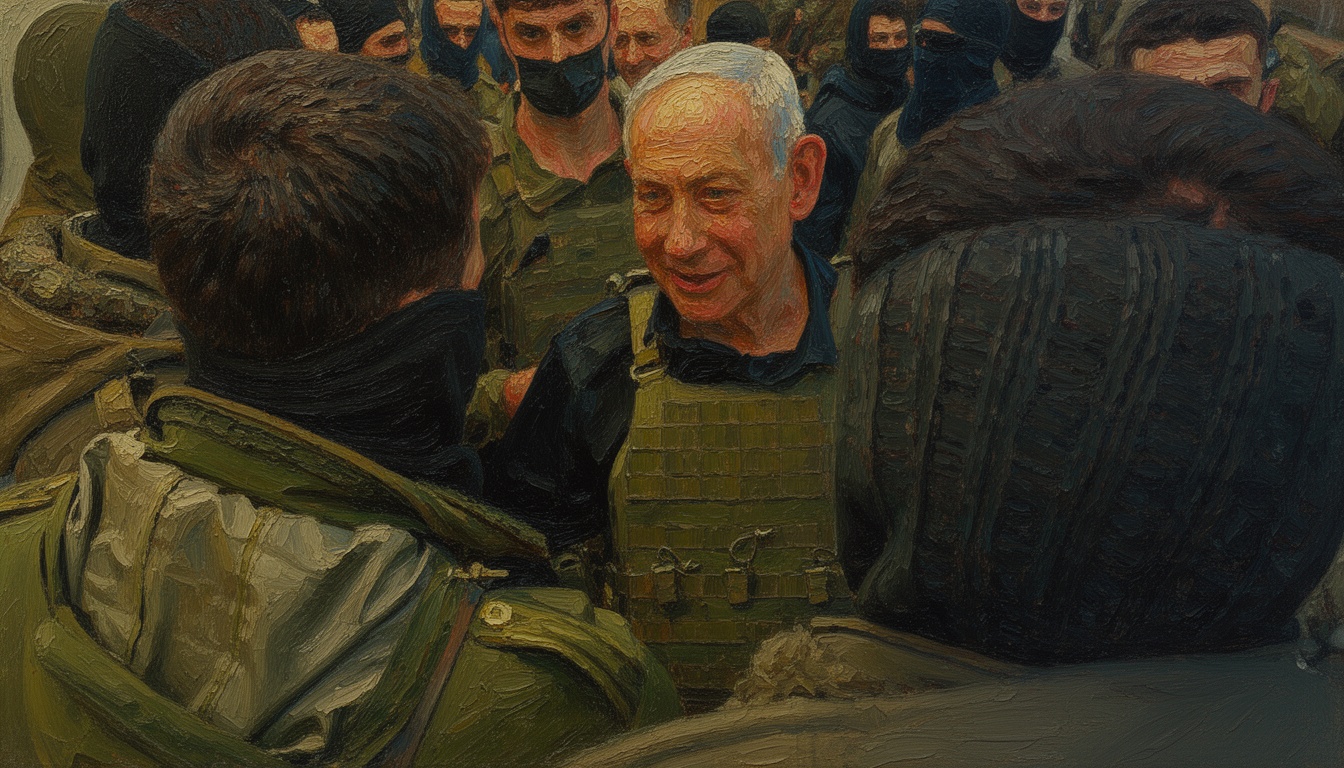
Prime Minister Benjamin Netanyahu announced that the threat of a Hezbollah invasion had been eliminated during a visit to Israeli troops in southern Lebanon. The claim was made in a video released by his office, in which he wore a flak jacket and was surrounded by masked personnel. He asserted that the security situation had shifted in a way that neutralized what he described as a major operational risk. The timing coincides with scheduled direct talks in Washington involving Lebanon, Israel, and the United States, signaling a push to de-escalate regional tension through diplomacy as well as force posture.
Context around Netanyahu's claim centers on a long-running confrontation along the Lebanon-Israel border, where Hezbollah and Israeli forces have previously conducted cross-border operations. While Netanyahu framed the statement as removing a direct invasion threat, he also acknowledged continued danger and a broader wartime dynamic in the region. His visit underscores Israel's intent to project control over the southern front while signaling deterrence to other actors in the security arena. Analysts will watch whether this rhetoric translates into measurable changes on the ground or remains a calibrated political message ahead of Washington talks.
Strategically, the remark aims to constrain Hezbollah's strategic calculus by merging military posture with political signaling. Washington's imminent discussions with Beirut and Jerusalem will test whether the claim of threat removal can anchor a broader ceasefire framework or a stabilization plan in the Levant. The broader implications touch on deterrence dynamics, potential shifts in border policing within the Lebanon security zone, and the risk of misperception that could spark renewed clashes. As regional actors reassess their options, the credibility of Israel's casualty-averse strategy will come under scrutiny.
Operational details remain sparse in Netanyahu's public remarks. The video shows him in a protective ensemble, suggesting a routine, though the precise nature of the threat or its sources was not disclosed. Observers will seek clarity on the structure of the security zone in Lebanon, the status of Israeli defenses near the border, and any changes to international or hybrid pressure mechanisms shaping the next round of diplomacy. If the threat is truly mitigated, the period ahead could see a realignment of risk, with smoothed channels for talks, conditional on Hezbollah's compliance and regional actors' engagement.
Likely consequences point to a fragile, multi-threaded equilibrium. If Washington's talks yield tangible steps toward de-escalation, Israel may relax some border restrictions while maintaining high alert. Conversely, if Hezbollah or other regional actors test the new state of affairs, the situation could tilt back toward crisis mode, potentially prompting renewed raids or countermeasures. The next several weeks will reveal whether this claim translates into lasting strategic gains or a temporary lull in a broader, persistent conflict balance.