Navy's Multi-Channel Data Link Enhances Combat Communications Capabilities
The adoption of the Network Tactical Common Data Link system represents a critical upgrade in naval communications, enhancing secure data transmission for carrier strike groups. This development significantly impacts operational readiness and response times in potential conflict zones.
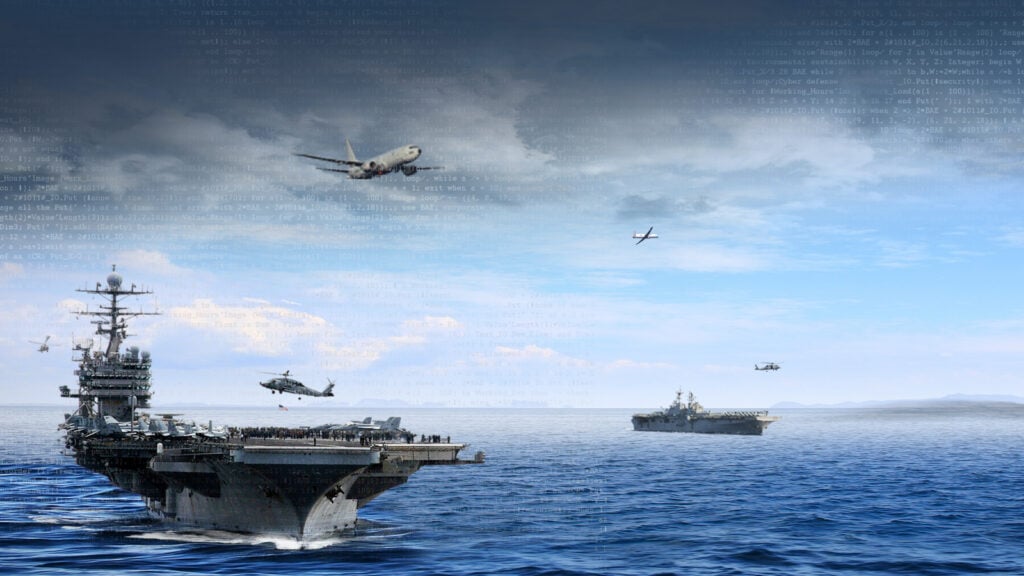
The US Navy's rollout of the Network Tactical Common Data Link (NTCDL) system is set to transform communication dynamics among its carrier strike groups and associated air and naval assets. The NTCDL provides secure and reliable communications infrastructure, enabling Intelligence, Surveillance, and Reconnaissance (ISR) operations to be conducted with greater efficiency and speed. This technological advancement raises the stakes for any potential adversary monitoring US naval capabilities.
Historically, naval operations have heavily relied on aging communication systems that were vulnerable to electronic warfare and signal interception. The transition to the NTCDL reflects a shift from older, less secure systems, ensuring that critical information can be transmitted without compromise. As geopolitical tensions heighten in contested waters like the South China Sea, the Navy recognizes the urgent need to protect its strategic assets with the best technology available.
The implementation of this system underscores significant strategic risks. Enhanced communication capabilities may embolden the US Navy to pursue more aggressive operational postures in disputed maritime regions, potentially escalating confrontations with rival powers. It signals a broader commitment by the US to enhance its naval posture amid rising global tensions, particularly as China expands its military presence in regional waters.
Key players in this context include the US Navy, which aims to secure its operational superiority, and rival nations that could perceive this advancement as a direct threat. The motivations behind accelerating the NTCDL adoption are clear: maintain technological advantage and ensure immediate priority for secure and efficient communication during potential engagements. Additionally, defense contractors involved in this technology stand to benefit significantly from increased investments in system enhancements.
Technically, the NTCDL offers capabilities that were previously unavailable, forming a versatile communication backbone with multiple data channels configured to accommodate various operational needs. This system not only enhances the speed of communication from surface vessels to aircraft but also supports integration with unmanned systems, extending operational reach and effectiveness. The US Navy is expected to invest hundreds of millions in the further rollout of the NTCDL across its fleets.
The consequences of this development could lead to heightened tensions, provoking countermeasures from adversaries who may strive to enhance their electronic warfare capabilities. The potential for miscommunication during heightened states of alert could lead to dangerous flashpoints, further complicating an already volatile geopolitical environment. Countries such as China or Russia may respond with increased naval activities to probe the Navy's new capabilities.
Historically, upgrades in military communication systems have often sparked arms races or prompted strategic recalibrations. Previous upgrades, such as the introduction of advanced radars or missile systems, have similarly heightened tensions in regions like the Eastern Mediterranean. The insistence on securing superior communications will likely mirror past behaviors where enhanced capabilities shifted regional balances.
Moving forward, analysts should closely monitor the deployment timelines of NTCDL technology and any subsequent responses from other global naval powers. Key indicators to watch include changes in naval patrol patterns, enhancement of electronic countermeasures by rivals, or alterations in war game exercises involving carrier strike groups. The next months will be critical in shaping US naval dominance and potential flashpoints in international waters.