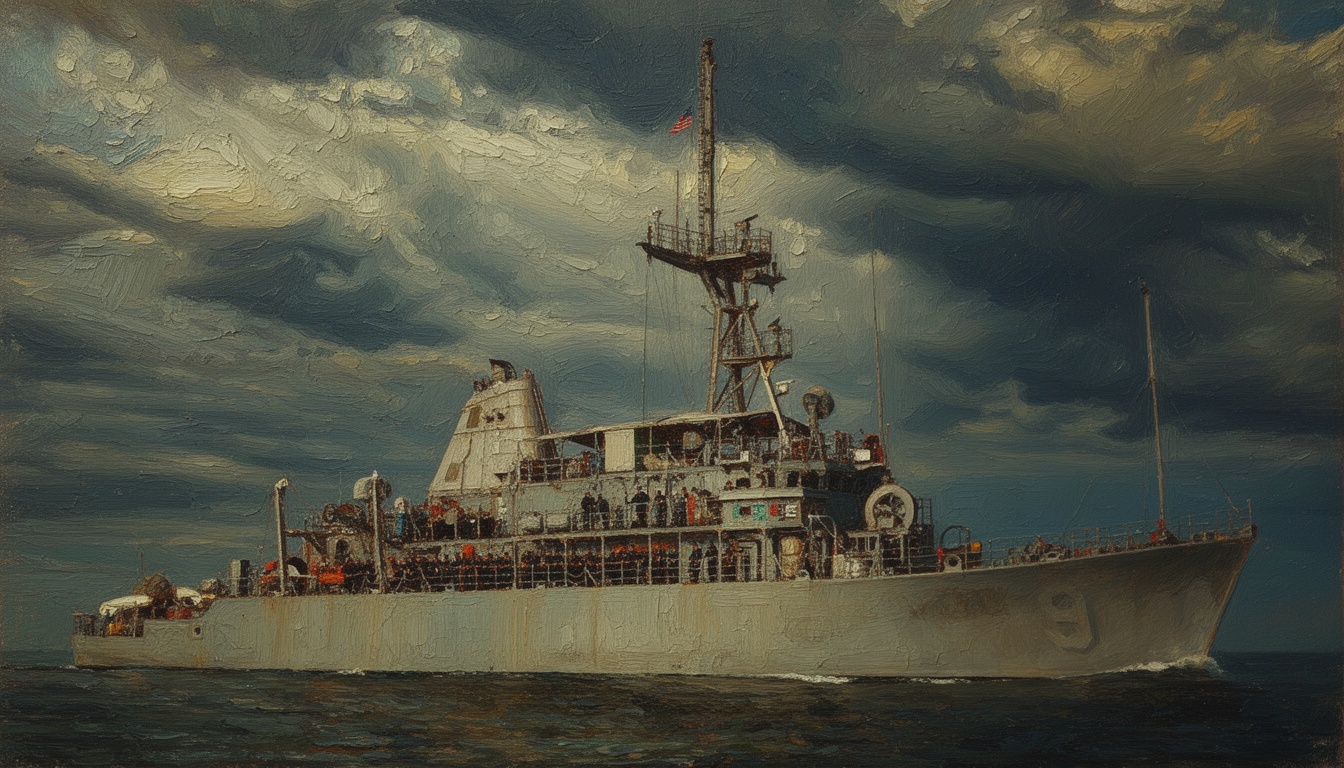
Navy Minesweepers Gather Toward Middle East, Signaling Major De-mining Drive
A westward push of U.S. Navy minesweeping assets from the Pacific signals a planned, large-scale de-mining operation in a geopolitically sensitive region. The move increases maritime safety expectations and could recalibrate regional naval risk. Analysts will watch for vessel types, escort arrangements, and the timing of any open-water clearing campaigns.
A visible concentration of U.S. Navy minesweeping assets appears to be repositioning toward the Middle East, signaling preparations for a major de-mining operation. The convoy-like movement encompasses multiple classes of minesweepers and support vessels, implying a staged build-up rather than a sudden, isolated deployment. Command dispositions and anticipated routes remain under strict operational security, but the scale suggests planning for extensive mine clearance across strategic waterways. The move underscores the fragility of sea lanes in the region and the ongoing priority of maintaining freedom of navigation amid rising regional tensions.
Background context frames the shift as part of a broader U.S. emphasis on maritime safety in high-stakes theaters. Western allies have long stressed mine countermeasures as essential to sustaining naval dominance and regional trade flows. Past campaigns in other theaters show that large de-mining efforts require synchronized air, surface, and underwater assets, plus robust intelligence on mine types and emplacements. This relocation may reflect lessons learned from recent conflicts where rapid clearance was a prerequisite for humanitarian and commercial operations alike.
Strategic significance centers on the deterrent and risk-reduction effects of proactive mine clearance in vital chokepoints. The Middle East hosts some of the world’s busiest maritime corridors, including approaches to critical ports and energy routes. Demonstrating capacity to clear mines can augment Western dissuasion, complicate potential adversary tactics, and reassure regional partners wary of underwater hazards. The timing could also influence negotiations around freedom of navigation corridors and allied access rights in contested waters.
Technical and operational details point to a staged deployment: multiple minesweeping platforms, auxiliary ships, and likely unmanned underwater vehicles for reconnaissance and initial sweeps. Expect a mix of wooden-hulled sweepers and modern acoustic or influence minesweepers, paired with airborne mine countermeasures and carrier-based or land-based air support. Budgetary signals may accompany the movement, signaling sustained commitment to legacy and next-generation mine countermeasure capabilities as part of a broader modernization drive. Analysts will monitor force structure changes, maintenance cycles, and interoperability drills with regional partners.
Forward assessment indicates heightened risk of escalatory misreadings in congested sea lanes as clearance operations begin. Even with a planned de-mining campaign, uncertainties remain about civilian maritime traffic, dual-use vessels, and potential spoilage of routes by inadvertent detonations. If the operation proceeds, expect intensified naval diplomacy, with routine maritime domain awareness and heightened security protocols around cleared passages. In the near term, de-mining operations will likely become a touchstone for regional stability, dissuasive signaling, and alliance cohesion.