Navy Denies Food Shortages as Images Spark Claims
The US Navy rebuts online allegations that its Middle East warships face chronic food shortages. Officials insist meals are being served; the controversy surfaces amid the Hormuz Strait blockade. Analysts view the dispute as a test of logistical confidence and public messaging rather than a crisis of matériel.
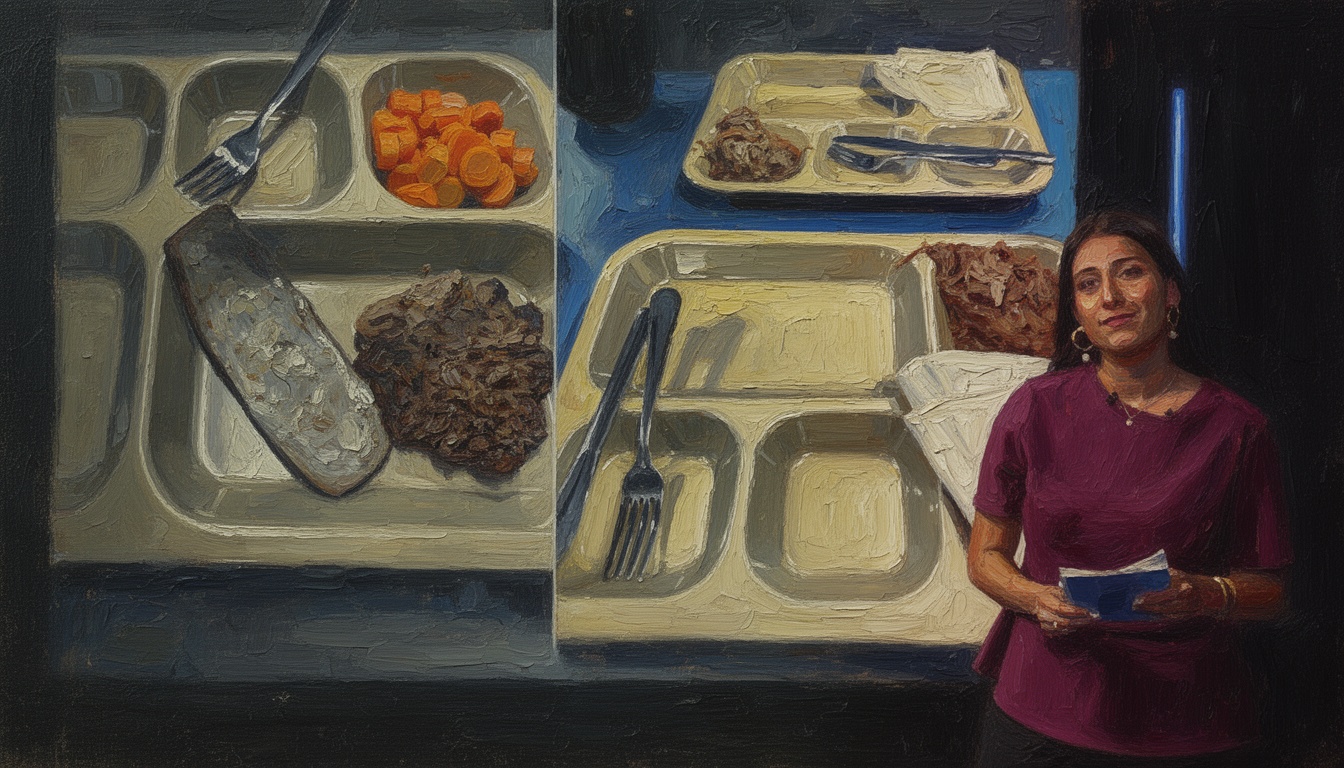
The US Navy has publicly rejected claims that its warships in the Middle East are starving sailors or rationing meals at extreme levels. Officials stated that no systemic food shortages exist and that supplies are being maintained. The denial comes after grim online photos circulated showing nearly empty meal trays, paired with comments that crews have been hungry for weeks amid ongoing tensions. While the Navy acknowledged ongoing operations, it framed the images as misleading or out of context, underscoring that food service aboard ships remains normal by standard naval provisioning.
Context matters: Washington's blockade in the Strait of Hormuz continues to constrain maritime traffic and heighten regional frictions. The confrontation escalates broader strategic competition over access to the Persian Gulf and energy routes. The dispute over feeding conditions intersects with questions of morale, ship readiness, and public diplomacy. Official statements emphasize that the Navy's supply chains are resilient and that sailors receive meals consistent with naval regulations and on-time replenishment. Critics, meanwhile, argue that even isolated supply issues could strain morale if linked to longer exposure to risk.
Strategic significance centers on confidence in naval logistics as a function of deterrence and power projection. The Middle East force posture hinges on sustainment in a high-tension environment where distributed fleets rely on partnerships for replenishment and support. If perceptions of provisioning erode, adversaries may seize on it as a propaganda vector or a signal about readiness. The broader message is that logistic credibility matters as much as missile or hull performance in maintaining sea control through a contested corridor.
Operational details remain scarce: the article notes online imagery of food trays but provides no verifiable official nutrition or menu data. There is no released inventory, consumption rate, or barge-and-jetty replenishment schedule cited by command channels. What is clear is that the conflict frame surrounding Hormuz affects public understanding of naval endurance, even as the fleet continues to operate under blockade conditions with standard support arrangements. The incident highlights how perceived supply pressures can influence strategic narratives and deterred tensions in the region.
Forward assessment suggests the Navy will likely continue to push a narrative of stability and continuity in meals while maintaining public messaging that reinforces discipline and readiness. If more photos or testimonies surface, they could prompt a renewed emphasis on supply transparency or introduce new questions about crew welfare and morale under prolonged operational strain. In the near term, the risk is primarily reputational, with potential for minor operational scrutiny but not an indicated material deficit.