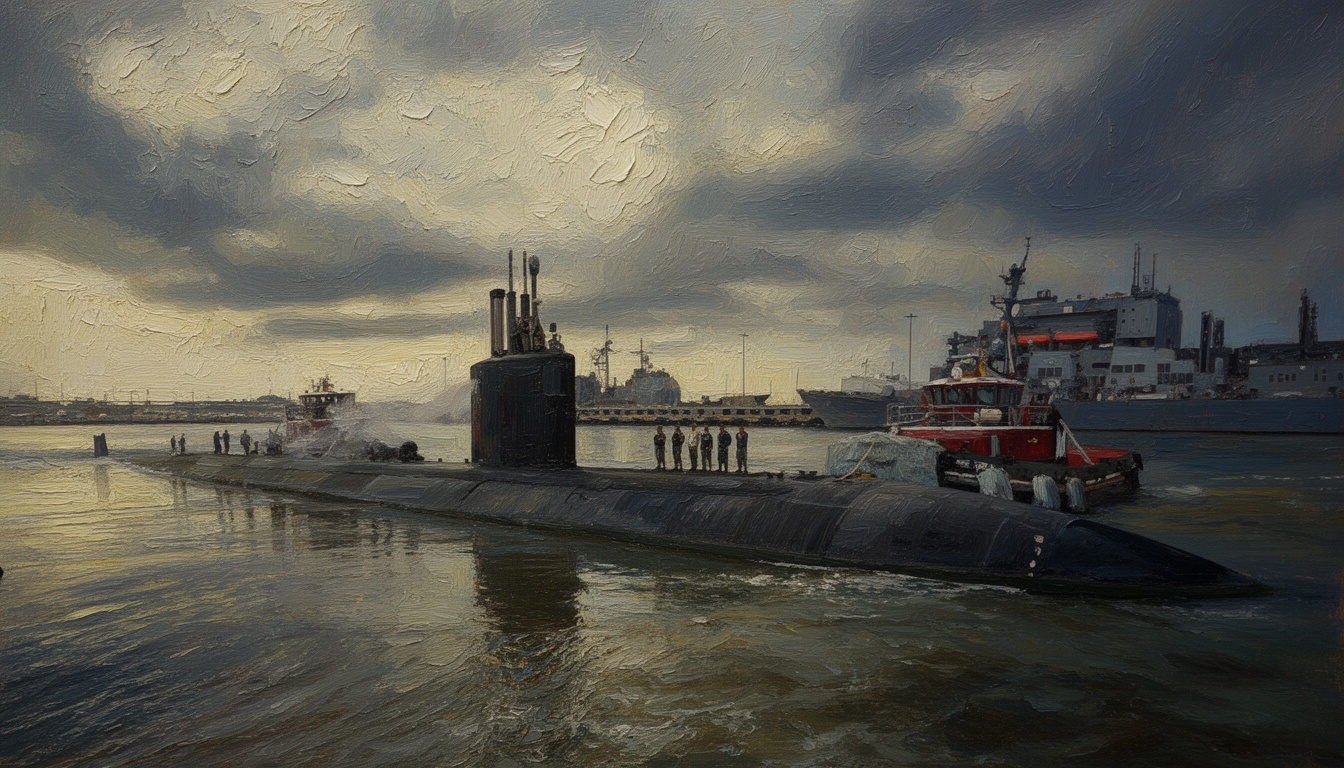
Navy Abandons Overhaul of Attack Sub USS Boise
The US Navy ends the protracted overhaul of the Los Angeles-class attack submarine USS Boise, halting work after years of delays and billions in cost. The decision signals a shift in maintenance priorities and raises questions about future readiness and industrial bottlenecks. The move underscores how extended refits can erode strategic deterrence and fleet availability.
The US Navy has terminated the extended overhaul of the attack submarine USS Boise, effectively placing the submarine back on the shelf after a prolonged period of maintenance stagnation. The vessel, long stuck in limbo, will no longer pursue a return to service under the current program. The decision marks a rare admission of project failure in a high-profile naval maintenance effort. The root causes and technical specifics behind the halt remain closely held, but the outcome is clear: Boise will not rejoin active duty on the current terms.
Background context shows that Boise’s overhaul has been a headline for years, symbolizing broader challenges in sustaining legacy submarine fleets. Budget volatility, shifting priorities, and contractor performance have all played a role in dragging the project through the years. The program exemplifies the risks of protracted modernization efforts for aging yet-valuable platforms. As with many defense-maintenance cases, the decision to stop work is as much about risk management as it is about cost containment.
Strategically, the halt to Boise’s overhaul sends a message about fleet readiness and future maintenance planning. With a major submarine platform effectively out of circulation, reverberations will be felt across training cycles, patrol schedules, and force posture assessments. The move also highlights the competition for scarce maintenance capacity and the difficulty of keeping legacy platforms economically viable in an era of modernized propulsion and sensors. The strategic calculus now weighs alternative platforms and resourcing to sustain underwater reach.
Technical and operational details remain largely undisclosed, but public summaries note the overhaul was lengthy and expensive. Specific weapon systems, propulsion modules, or trial campaigns tied to Boise’s restoration were reportedly never completed to fruition. The decision focuses attention on the industrial base: can sustainment for aging attack submarines be made affordable and timely, or must fleets retire legacy hulls earlier than planned?
Likely consequences point toward reassessment of submarine life-extension strategies and renewed emphasis on new-build capacity. The Navy may reallocate maintenance slots, adjust patrol commitments, or accelerate modernization programs for remaining boats. Analysts will watch for announcements on surrogate platforms, crew reassignments, and the fiscal implications for long-term submarine readiness and deterrence.