Navantia to provide lifecycle support for Türkiye's Anadolu amphibious ship
Navantia to deliver full lifecycle support for the Turkish Navy's amphibious ship Anadolu, based on the Juan Carlos I design. The framework agreement formalizes maintenance and overhauls for the domestic-built vessel. This reinforces Türkiye’s domestic naval industrial capacity and alliance interoperability.
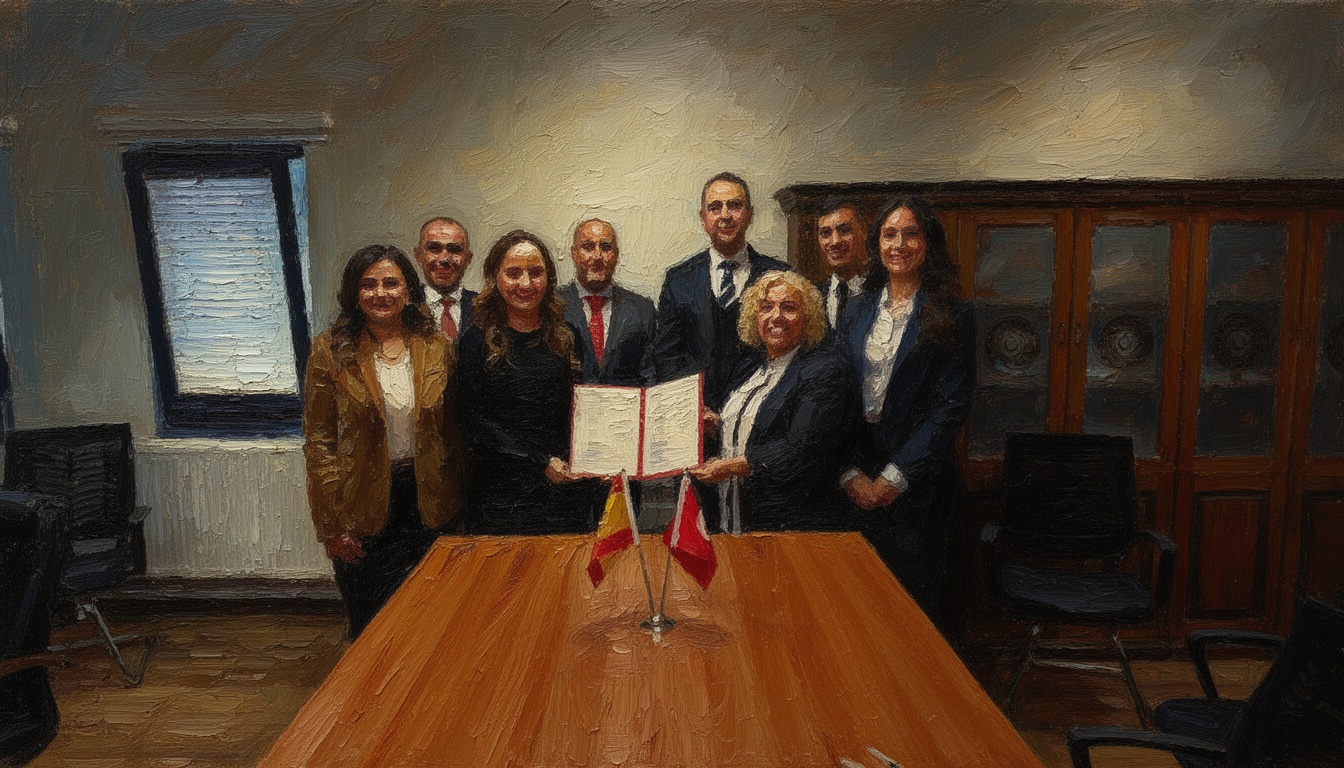
Navantia will provide comprehensive lifecycle support for the Turkish Navy's Anadolu, the domestically built amphibious ship derived from Navantia's Juan Carlos I design. The agreement, signed at the Turkish General Directorate of Naval Shipyards in Ankara, covers maintenance, upgrades, and sustainment activities across the platform's entire service life. This framework agreement formalizes a long-term industrial partnership that touches logistics, engineering, and material support from a single contractor. Anadolu, a centerpiece of Türkiye's expeditionary capability, will rely on Navantia's global supply chain for ongoing readiness.
The deal strengthens Türkiye's strategic autonomy in naval capability. Anadolu's construction in Turkey, using a Navantia-based design, already illustrates a high level of domestic defense industry integration. By formalizing lifecycle support, Türkiye reduces dependence on external vendors for maintenance and mid-life upgrades, while preserving access to Navantia's international support network. The arrangement also signals confidence in Türkiye's ability to sustain a modern amphibious force amid evolving regional security dynamics.
Strategically, Anadolu enlarges Türkiye's power projection in regional waters and contributes to alliance deterrence in the eastern Mediterranean and Aegean. Lifecycle support arrangements will likely cover hull, propulsion, combat systems, and mission-support equipment, ensuring mission readiness across deployment cycles. The partnership may pave the way for further co-production or technology transfer discussions, should Türkiye seek deeper domestic sustainment of future Navantia-derived platforms. Forward, expect Türkiye to leverage this framework to accelerate domestic naval industrial capability and ensure sustained interoperability with allied navies.
Technical details point to an integrated maintenance ecosystem. The lifecycle contract encompasses scheduled maintenance, component spares provisioning, in-service upgrades, and training for Turkish technicians. Anadolu itself features a flight deck suitable for helicopter operations and amphibious assault capabilities, with a phased maintenance plan aligned to periodical ship surveys and major overhauls. Budget figures and specific milestone dates are not disclosed, but the framework signals a long-term funding envelope aligned with Türkiye's defence procurement priorities.
In terms of consequences and outlook, the arrangement strengthens Türkiye's naval resilience and regional deterrence while reinforcing NATO interoperability. It reduces risk of disruption to Anadolu's readiness due to external supply chain shocks and sustains Turkish industrial flow through an extended contract. If successful, this model could become a template for future Navantia-derived platforms—whether through expanded co-production or expanded lifecycle commitments—across Türkiye's expanding amphibious and surface fleets.