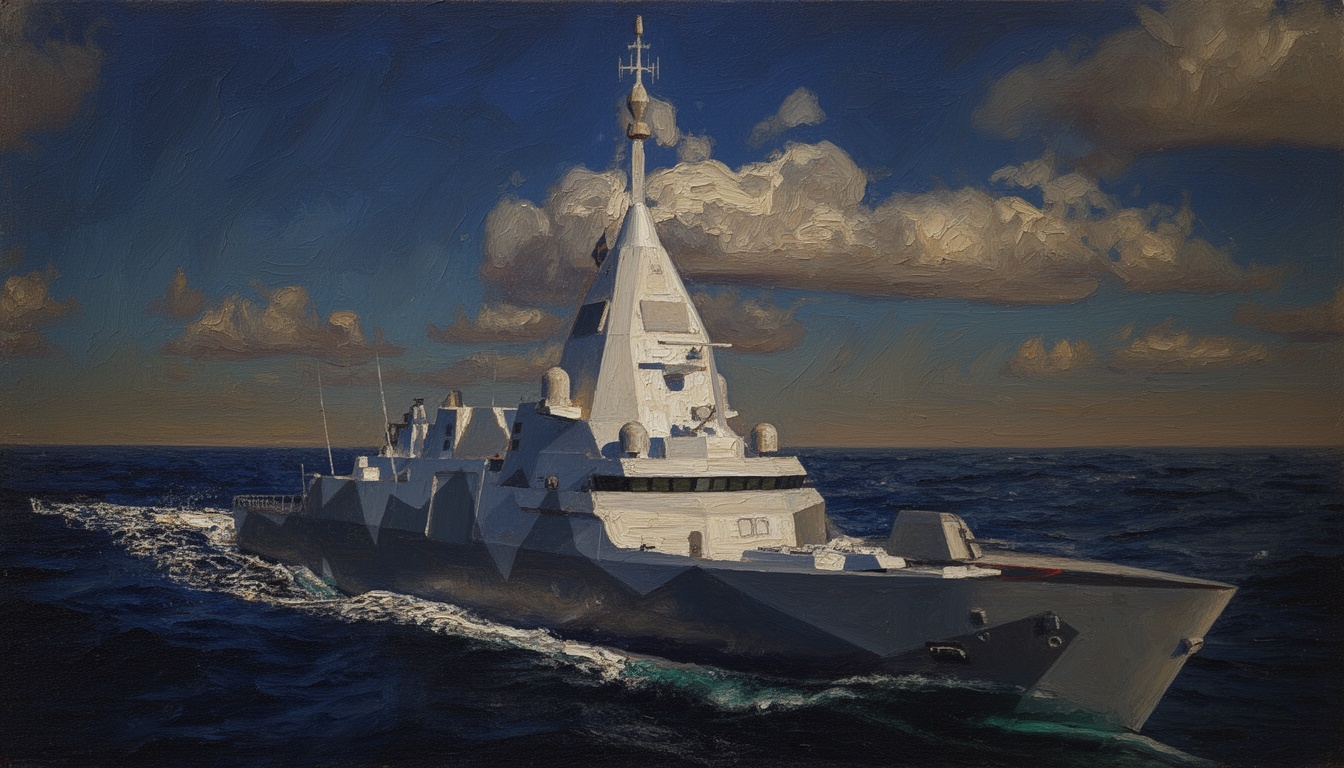
Navantia guarantees two ALFA 4000 frigates for Luleå by 2030
Navantia pledges to deliver two ALFA 4000 frigates by 2030 as Sweden moves to pick a supplier for its Luleå-class ships this year. The commitment tightens timelines for Sweden’s next-generation surface fleet and signals continued European defence-industrial collaboration amid rising regional tensions.
Navantia has committed to delivering two ALFA 4000 frigates by 2030, aligning with Sweden's plan to select a supplier for its Luleå-class vessels within the current year. The carrier of the pledge remains the same Spanish naval shipbuilder, which has framed the timeline as contingent on the Swedish procurement process progressing smoothly. The development underscores Sweden's intent to modernize its fleet while maintaining an open competition framework for its next-generation frigates. Swedish defence officials have signaled a push to accelerate decisions to sustain industrial momentum and ensure timely delivery ahead of anticipated budget cycles.
Background context centers on Sweden's ongoing effort to replace aging platforms with more capable, multirole frigates. The Luleå-class project sits within a broader Swedish strategic plan to bolster maritime deterrence and sea-control capabilities in the Baltic region. European security dynamics, including heightened Russian activity near the Baltic and evolving NATO routines, provide additional incentive for Sweden to finalize a modern surface fleet. The supplier decision, due later this year, will determine production lines, risk sharing, and potential offsets with European defence industries. Analysts note that procurement choices in small-to-mid-sized navies influence regional industrial ecosystems and long-term maintenance pipelines.
Strategically, the pledge from Navantia signals a high level of confidence in the ALFA 4000's fit for Sweden's maritime doctrine and operational needs. If realized, it would reinforce European industrial interoperability, given Navantia's experience with modular ship concepts and common maintenance ecosystems. Sweden's willingness to anchor its next frigates to a single supplier could complicate multi-vendor competition but would streamline logistics, training, and lifecycle support. The arrangement would also intersect with Sweden's broader ambitions to expand joint exercises and integrated naval command-and-control with EU and NATO partners.
Technical or operational details remain limited in the public brief. The ALFA 4000 designation points to a mid-size, multirole frigate family, typically designed for air-defense, surface warfare, and patrol duties. Production and delivery timelines would hinge on contract specifics, offset agreements, and Swedish warship build schedules at coastal yards. No explicit weapon systems or sensor suites are disclosed in available summaries, so the focus remains on schedule, cost, and industrial participation elements rather than line-by-line combat capabilities. The forward-looking assessment suggests a measured cadence for fabrication, integration testing, and in-service support arrangements over the next decade.
Likely consequences include a strengthening of Sweden's naval posture and a push for synchronized European naval manufacturing. If Sweden confirms the supplier and maintains timetable discipline, it could pressure competitors to accelerate offers or reframe their bids. For Navantia, the deal would bolster its international footprint and sustain European naval export health in a tense security environment. Analysts expect Sweden to couple the deal with ambitious training and interoperability programs that enable rapid deployment and joint operations with NATO allies over the 2030 horizon.