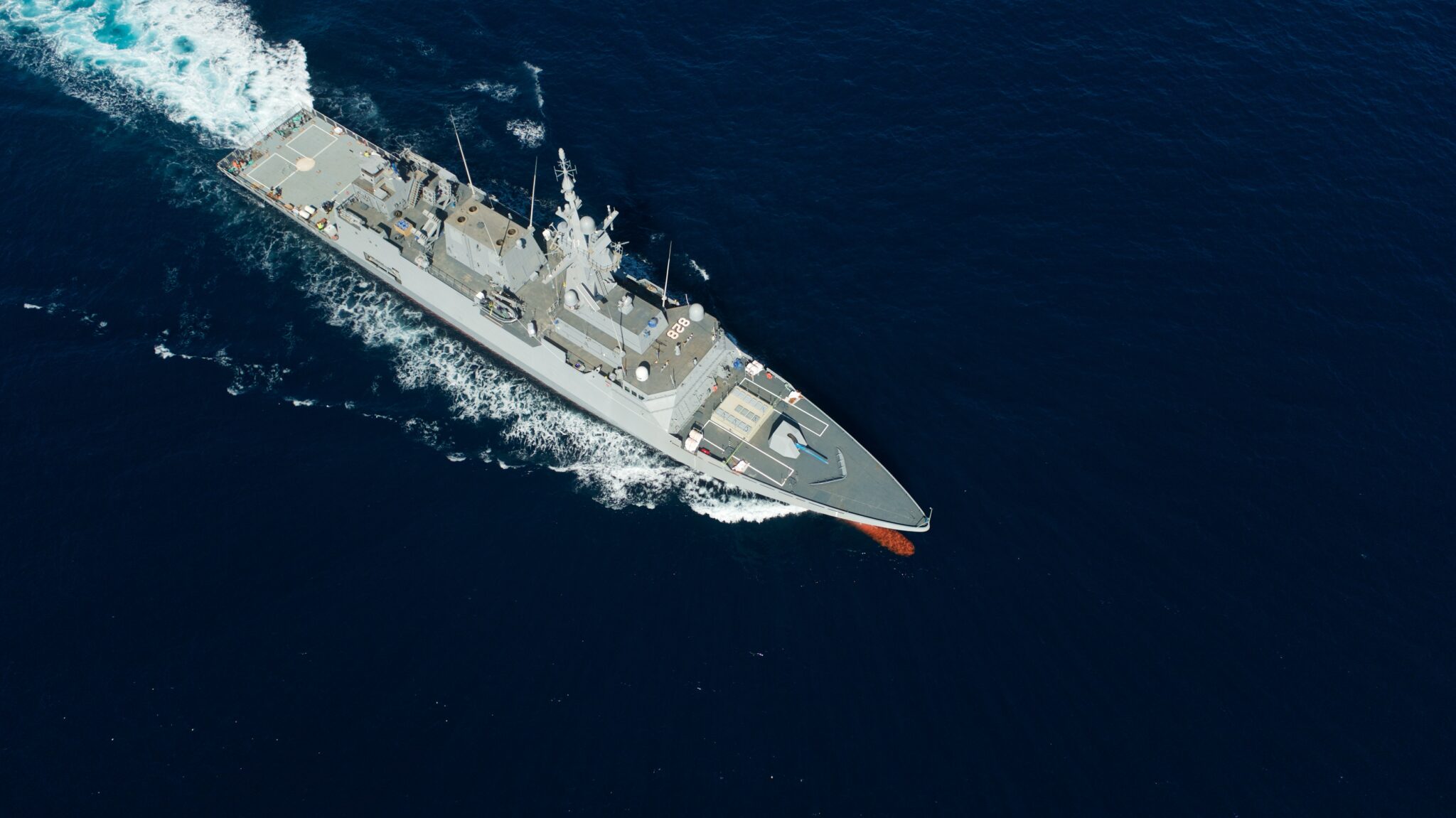
Navantia Challenges Croatia’s Naval Strength with Corvette Proposal
Navantia's Avante 2200/ALFA 3000 proposal threatens to shift naval power dynamics in Croatia, amplifying industrial dependency. This move raises concerns over national security amidst broader regional tensions.
In a bold maneuver, Navantia has proposed the Avante 2200/ALFA 3000 for Croatia's Multi-role Corvette program. This advanced vessel is positioned as meeting all operational requirements of the Croatian Navy. The proposal signals a potential shift in regional maritime capabilities as Croatia evaluates defense modernization efforts.
Historically, Croatia's naval capabilities have faced limitations due to budget constraints and regional maritime disputes. The Croatian Navy’s focus has been on improving operational readiness, particularly in the Adriatic Sea, where tensions with neighboring states have elevated over maritime borders and resources. As Central and Eastern Europe increasingly recognize maritime security's significance, Croatia's decisions will be pivotal in shaping its naval future.
This development is significant as it reveals the growing influence of Navantia in a region where European naval developments are critical amidst shifting power balances. If Croatia accepts the proposal, it could lead to increased reliance on foreign military technology, raising concerns about sovereignty and operational independence in strategic defense capabilities.
Navantia's motivations appear twofold: securing a foothold in Eastern European defense markets and enhancing its reputation in naval shipbuilding. Croatia represents a vital customer for European defense contractors seeking to expand amid competition from US and Asian manufacturers. Securing contracts in Croatia could pave the way for more comprehensive partnerships in the future.
The Avante 2200/ALFA 3000 is equipped with advanced sensors and weapons systems, including surface-to-air missile capabilities and modular payload options designed for anti-surface and anti-submarine warfare. Each vessel is estimated to cost upwards of €80 million, with an initial procurement plan for at least three units. By committing to domestic industrial cooperation, Navantia aims to bolster the Croatian maritime defense sector.
Should Croatia decide to proceed with Navantia, this may trigger a ripple effect among neighboring nations, encouraging them to consider similar upgrades or partnerships. The implications for regional security dynamics are substantial, particularly if other countries view this move as a challenge to their own naval capacities.
Historical parallels can be drawn to past defense procurement and alliances where shifts in naval hardware led to an arms race in regional waters. The ongoing escalation in military readiness across Europe, particularly in response to Russian aggression, underscores how strategic partnerships can redefine power structures in the maritime domain.
Moving forward, defense analysts will closely monitor Croatia's decision and any subsequent responses from neighboring countries. Key indicators will include shifts in defense spending, naval exercises in the Adriatic, and potential collaborative agreements with other defense contractors as Croatia navigates this pivotal decision.