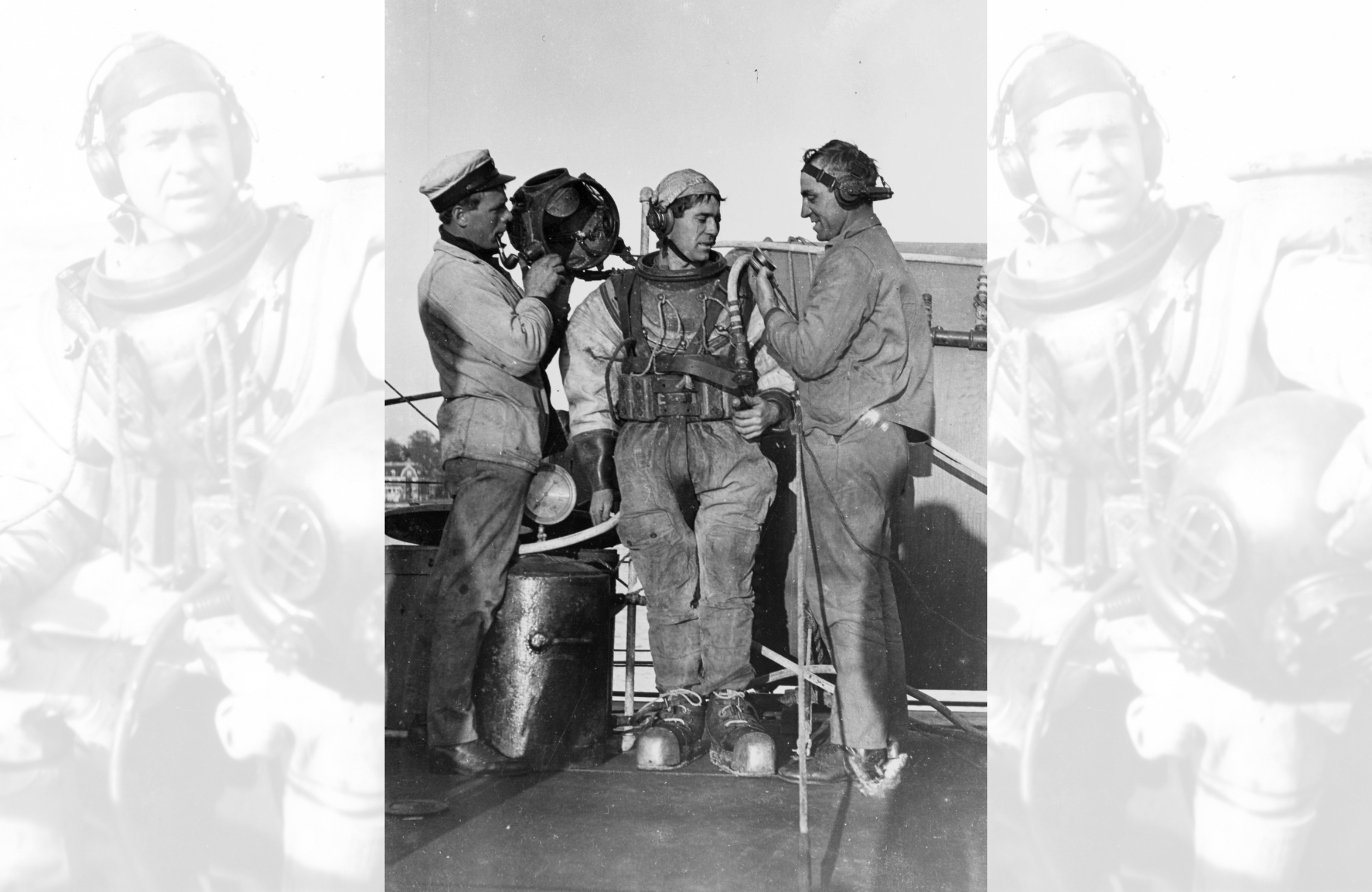
Naval Diver Rescues Shipmate, Awarded Medal of Honor for Bravery
Frank Crilley's actions 275 feet underwater display extraordinary courage and highlight the risks faced by military divers. This significant recognition underscores the growing emphasis on valor in perilous naval operations amid evolving maritime threats.
Frank Crilley, a naval diver, faced a life-or-death struggle 275 feet beneath the ocean's surface, where he valiantly fought to free an entangled shipmate from a doomed fate. For over two hours, Crilley wrestled with challenging conditions in order to save his fellow service member, showcasing remarkable physical endurance and mental fortitude in a high-pressure scenario. His heroic actions have now earned him the prestigious Medal of Honor, a testament to his bravery in the face of grave danger.
The backdrop to this commendable act lies within the broader context of naval diving operations, which frequently engage in perilous rescues and intricate salvage missions. Naval divers, often dispatched to operate in extreme conditions, routinely maneuver through hazardous environments that not only test their skills but also highlight the inherent risks involved in such operations. Crilley's experience is emblematic of the challenges divers face in maintaining operational readiness and safety, provoking a renewed scrutiny of training and protocols for similar missions.
This incident bears significant implications for naval operations, emphasizing the critical need for rigorous training and advanced safety measures. As military forces globally refine their strategies and capabilities, the heroism displayed by divers like Crilley may also influence how nations approach dive-related missions, setting new standards for bravery and operational effectiveness. The spotlight on such acts of valor places increasing pressure on military leadership to bolster support structures for those engaged in high-risk activities at sea.
Key actors in this scenario include not only the divers involved but also military leadership that must navigate the balance between operational demands and personnel safety. With greater public awareness of the risks faced by divers, there is likely to be increased advocacy for enhanced protective gear, more sophisticated training techniques, and better psychological support systems for affected personnel. Such change often stems from highlighted acts of courage like Crilley’s, prompting debate on how militaries prioritize safety alongside mission success.
In terms of technical specifics, naval divers are equipped with a variety of advanced dive gear, including closed-circuit breathing apparatus and specialized underwater tools for recovery operations. These operational capabilities are critical as divers routinely work in challenging environments that necessitate precision and resilience. With budgets for naval operations increasingly scrutinized, investing in advanced dive technologies and comprehensive training regimens becomes essential to safeguard personnel during these demanding missions.
The consequences of Crilley's heroism could lead to significant policy reviews within naval forces regarding dive operations. Following such incidents, one can anticipate an increase in assessments related to risk management and operational practices, potentially resulting in a shift towards greater investment in diver safety protocols. Additionally, as diver rescues become more prominent in discussions of naval capabilities, this could attract more attention to the training and resources allocated for these specialized roles.
Historically, acts of heroism within military contexts often lead to broader discussions regarding the nature of bravery and duty. Similar commendations have spurred changes in military doctrines around the world, encouraging aggressive support for enhancing personnel safety while undertaking critical missions. As military forces evolve, the legacy of exceptional acts like those of Crilley could prompt a renewed focus on building resilience and adaptability in naval operations.
Going forward, close monitoring of diver safety practices and advancements in technology will be essential. Intelligence reports expected in the coming months will likely examine how military chains of command adjust training practices and operational protocols in response to Crilley's exemplary actions. With nations increasingly vying for strategic maritime superiority, a clear focus on diver capabilities and associated risks will remain paramount as tensions persist in global naval affairs.