NATO Withdrawal from Iraq Endangers Regional Stability
NATO’s troop and equipment withdrawal from Iraq under precarious conditions risks destabilizing the security environment in a volatile region. The transfer to neighboring countries exposes gaps in coalition influence and could empower hostile actors.
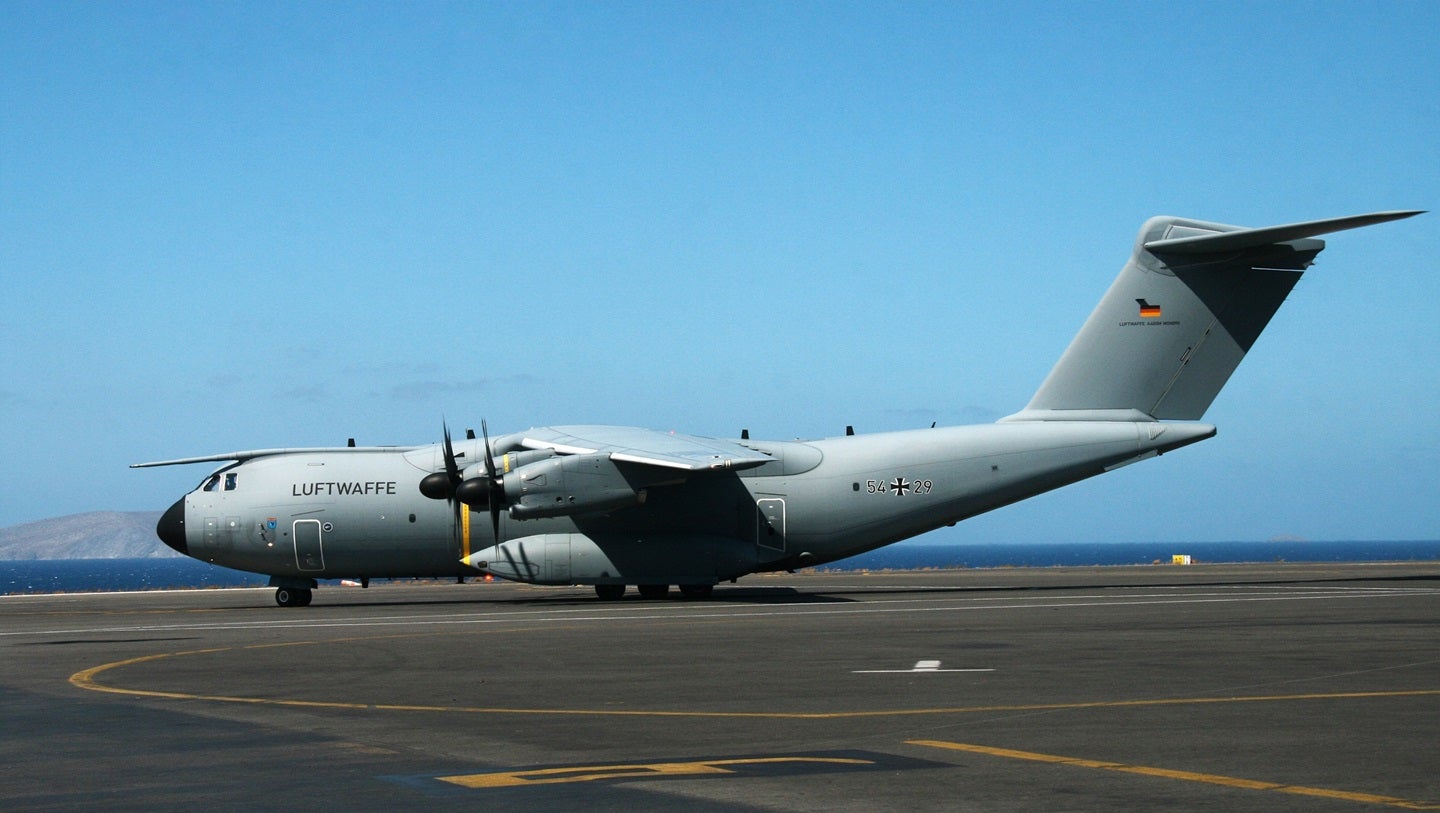
NATO has executed a coordinated withdrawal of its forces and military hardware from Baghdad, moving personnel and equipment into neighboring states under high-risk operational conditions. The move comes amid escalating regional tensions and deteriorating Iraqi security frameworks that complicated the mission’s sustainment.
The NATO Mission Iraq, launched to assist Iraqi stability and capacity-building, has faced persistent challenges from insurgent threats and internal Iraqi political fragmentation. Partner nations had to negotiate complex withdrawal routes, balancing safety concerns and alliance cohesion.
Strategically, this withdrawal signals a contraction of Western military presence in Iraq, potentially creating a security vacuum. Rival actors including regional militias and external powers may exploit diminished NATO influence, raising the prospect of renewed conflict or territorial contestation.
The operation involved relocating critical armored vehicles, surveillance drones, and logistical support units. Partner nations implemented multiphase extraction plans to mitigate risks posed by hostile elements targeting convoys and bases.
Looking forward, reduced coalition footprint in Iraq compels a reassessment of regional security strategies. The withdrawal may accelerate shifts in alliances and necessitate enhanced diplomatic and intelligence efforts to contain instability spreading beyond Iraq’s borders.