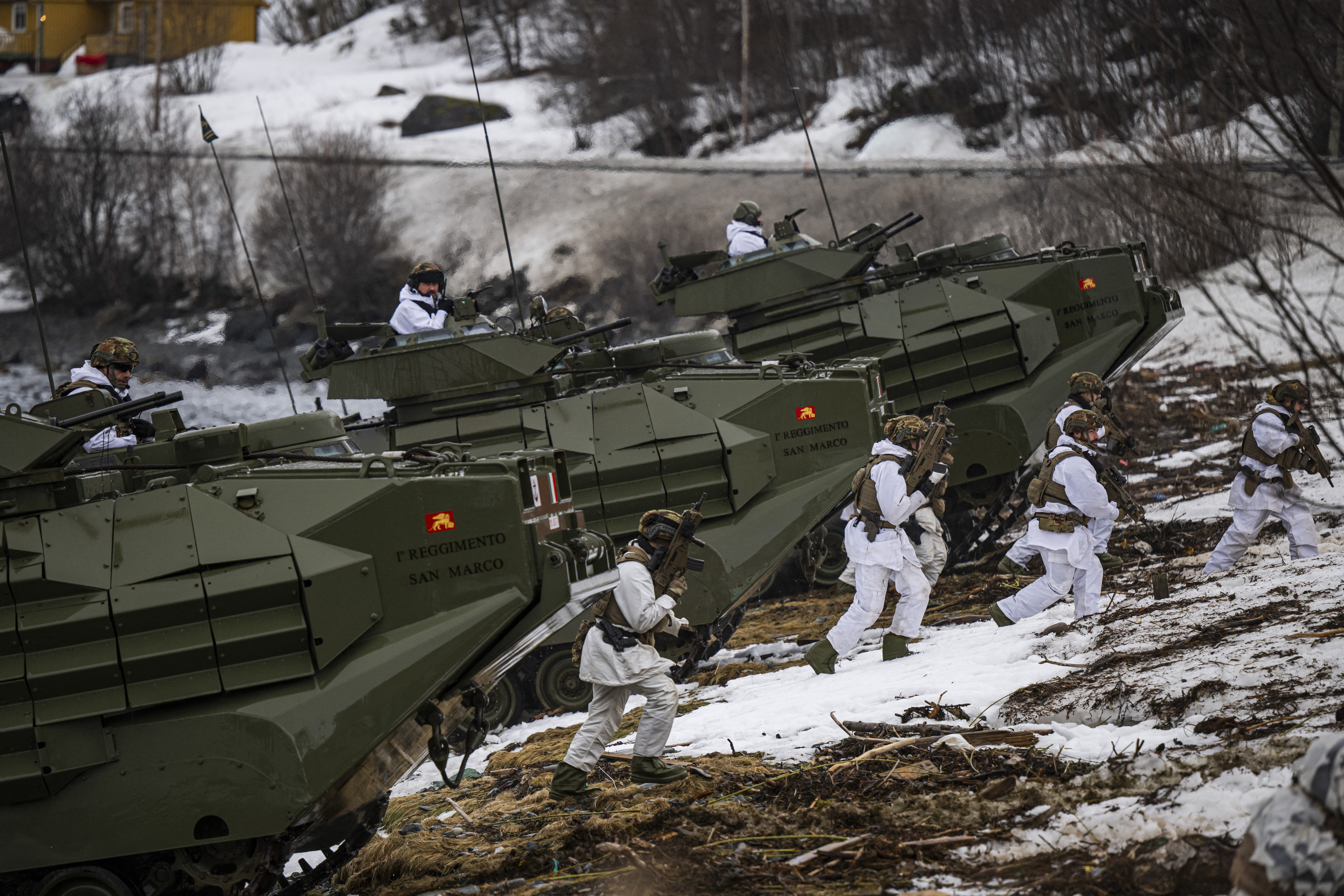
NATO Prepares for Potential Arctic Conflict with Russia Amid Cold Response Drill
NATO's upcoming Cold Response drill underscores rising tensions with Russia over Arctic sovereignty. This exercise could signal preparations for a significant military confrontation in a geopolitically critical region.
NATO is set to conduct its Cold Response exercise in Norway from March 9-19, during which it will explore various scenarios that could lead to conflict with Russia in the Arctic region. This comes at a time of heightened military activity and assertiveness by Moscow in areas traditionally viewed as NATO’s strategic domain, raising alarms over possible direct confrontations.
Historically, NATO and Russia have engaged in a dangerous game of military brinkmanship in the Arctic. The melting ice has opened new sea routes and access to potential natural resources, prompting both sides to bolster their military presence. Recent years have seen Russia enhancing its military capabilities, building new bases, and deploying advanced weapon systems across its Arctic frontier, putting NATO on high alert and necessitating this drill.
The significance of this exercise lies in its potential to exacerbate existing tensions and showcase NATO's military readiness should conflict erupt. The Arctic is not merely a regional concern; it could become a flashpoint impacting global security, with NATO forces facing off against Russia’s Northern Fleet and its increasing naval capabilities. Such scenarios raise the stakes for all involved, revealing vulnerabilities within NATO’s northern defense posture.
Key actors include NATO member states, particularly Norway, which has a vested interest in Arctic security due to its geographical position and resources. Conversely, Russia's motivation is driven by a desire to assert control over Arctic resources and sea routes, as well as to counter NATO's encroachment into what it considers its sphere of influence. Both sides are likely preparing for a lengthy strategic competition that extends beyond this exercise.
The Cold Response drill will feature multiple scenarios, potentially including amphibious assaults and air operations, showcasing NATO's ability to project power across challenging terrain. The exercise will involve over 30,000 troops, naval vessels, and air components, emphasizing NATO's commitment to preserving its interests in the Arctic. This operational readiness is critical given that Russia has reportedly reinvigorated its Arctic military capabilities, including the introduction of advanced missile systems and bombers.
Potential consequences of these tensions include increased military confrontations and a greater risk of miscalculation on both sides. As military assets are deployed and operational readiness is tested, the likelihood of an incident escalates. Should provocative actions occur, a real crisis could unfold, destabilizing the entire Arctic region and possibly invoking a broader international response.
Historical precedents illustrate the volatility of Arctic disputes, notably during the Cold War when both NATO and the Soviet Union maintained a significant military presence in the region. The current environment mirrors that anxiety, with military exercises serving not just as training opportunities but as demonstrations of resolve that can inflame tensions further.
Looking forward, indicators to watch include Russia's military movements and exercises in the Arctic, particularly around the Northern Sea Route and in relation to NATO's activities. Intelligence assessments must remain vigilant to detect any shifts in posture, potential provocations, or diplomatic engagements that could signal deeper strategic intentions from either side. The Arctic is poised to remain a critical geopolitical battleground as both NATO and Russia deploy assets in a high-stakes competition over this vital territory.