NATO Faces $145B Munitions Shortfall as All Members Hit 2% GDP
NATO identifies a $145 billion shortfall in munitions amid all members meeting the 2% GDP defense spending target. This gap poses serious risks to alliance readiness ahead of the upcoming summit.
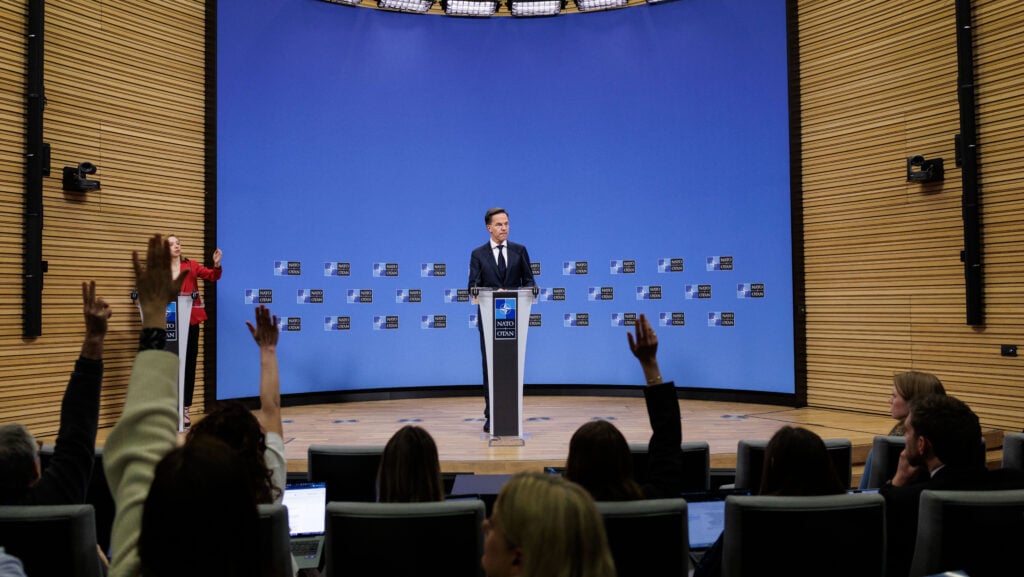
NATO officials warn of a critical $145 billion shortfall in munitions stockpiles despite all member nations reaching the 2% GDP defense spending benchmark for the first time. Secretary-General Jens Stoltenberg and Dutch PM Mark Rutte emphasized munitions production as a top priority ahead of the next NATO summit in July.
The 2% GDP spending target, a politically sensitive benchmark mainly pushed by the United States, has long been controversial. Now that all 31 member states meet this threshold, NATO faces urgent questions on addressing a significant gap in ammunitions supply that threatens operational sustainability.
Strategically, the shortfall exposes vulnerabilities in NATO's deterrence and warfighting capabilities amid rising tensions with Russia and China. Munitions stockpiles are crucial for sustaining high-intensity conflict scenarios, underscoring the alliance’s need to accelerate defense industrial cooperation and production capacity.
The $145 billion figure encompasses diverse munitions types—artillery shells, missiles, bombs—reflecting decades of underinvestment. Replenishing stocks will require major industrial mobilization, expanded supply chains, and likely increased defense budgets, despite economic strains.
Looking forward, the upcoming NATO summit will confront these challenges head-on. Failure to close the munitions gap risks undermining collective defense credibility and deterrence effectiveness, making it a defining security priority for the alliance in an era of intensifying great power competition.