NATO Arctic Exercise Undermined as Nations Withdraw Key Equipment Amid Iran Crisis
Several NATO nations retreat crucial assets from a significant Arctic exercise, signaling deepening vulnerabilities amid ongoing geopolitical tensions with Iran. This withdrawal raises questions about NATO's operational readiness in contested environments.
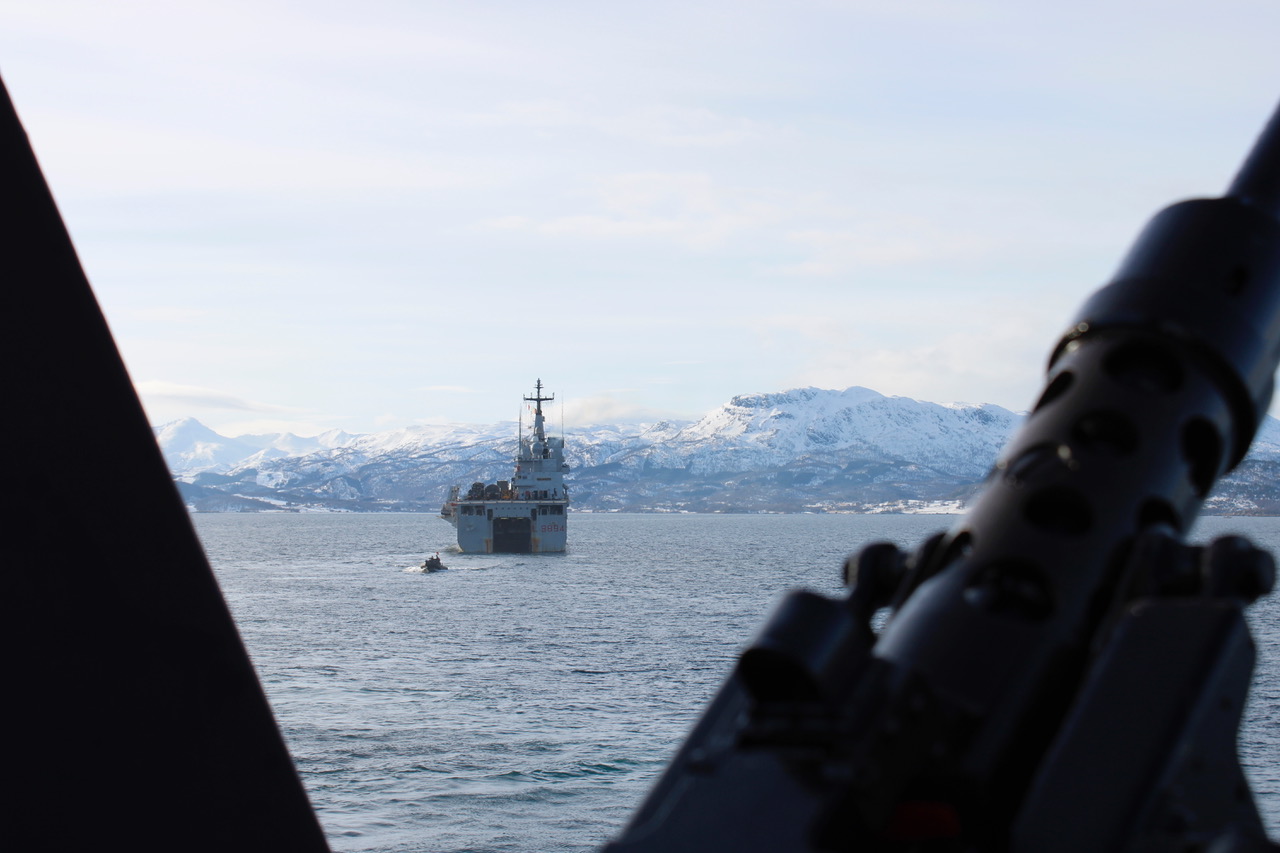
NATO's planned Arctic exercise has faced severe disruption as multiple member nations withdraw key military equipment in response to escalating tensions with Iran. Recently, Italian naval forces confirmed the departure of the destroyer Andrea Doria, alongside additional personnel aboard the San Giusto. This sudden pullback signifies a concerning shift in NATO's operational posture and readiness in a region critical for alliance cohesion and deterrence strategies.
The context behind this withdrawal traces back to a series of provocative actions by Iran, including aggressive naval maneuvers in the Strait of Hormuz and increased military support for proxy groups. These developments have compelled NATO allies, particularly Italy, to recalibrate their commitments in the Arctic, originally aimed at showcasing unity and operational capabilities in the face of potential Russian aggression. The prior plans for a large-scale exercise are now clouded by uncertainties as member states grapple with prioritizing resources amid rising threats elsewhere.
The significance of this situation cannot be overstated; this withdrawal not only reflects immediate tactical implications but also reveals deeper fractures within NATO's collective defense strategy. The need to address threats from both Russia in the Arctic and Iran in the Mediterranean illustrates the dual challenges facing the alliance. NATO's capacity to respond to emerging crises will be tested, and this incident raises eyebrows regarding member nations' willingness to commit to joint operations.
Key actors involved in this development include the Italian government, which is balancing its priorities between ensuring national security and supporting NATO missions. The Italian Defense Ministry's decision to withdraw significant naval assets indicates a prioritization of domestic readiness over NATO commitments, potentially alarming other alliance members who rely on Italian maritime capabilities for collective defense. The motivations here highlight the shifting dynamics in a multipolar world where regional threats can compromise collective security frameworks.
Operationally, the Andrea Doria’s capabilities, including her Aegis Combat System and advanced anti-aircraft systems, are vital for NATO's maritime exercises. The timing of her withdrawal, coupled with reinforced Iranian aggression in the Gulf, raises serious doubts about the alliance's ability to project power in the Arctic while simultaneously countering adversarial maneuvers elsewhere. The loss of such assets compromises NATO's strategy to deter potential threats and maintain a credible military presence in contested areas.
The consequences of this withdrawal are poised to escalate, with a potential ripple effect on other NATO operations. Allies may feel pressured to adjust their commitments in other regional exercises if they perceive incapacity in supporting collective missions. As tensions with Iran continue to simmer, NATO's credibility could be severely questioned if member nations are seen as failing to adequately defending their collective interests.
Historically, similar situations have underscored the perils of operational overreach and misaligned priorities within military alliances, particularly NATO. The 2003 Iraq invasion strains are fresh in the minds of alliance members, where overextending resources overseas inflicted damage on readiness for other critical missions. This incident may parallel such challenges, indicating that alliances can fray when simultaneous threats arise.
Looking ahead, the strategic focus will be on how NATO member nations adapt their military postures following this withdrawal. Intelligence watchers should monitor shifts in naval deployments, defense spending adjustments, and recalibrated military exercises in the Arctic and beyond. The balance of power within NATO could further tilt if these withdrawals indicate a long-term trend away from collective operational commitments as global dynamics continue to shift unpredictably.