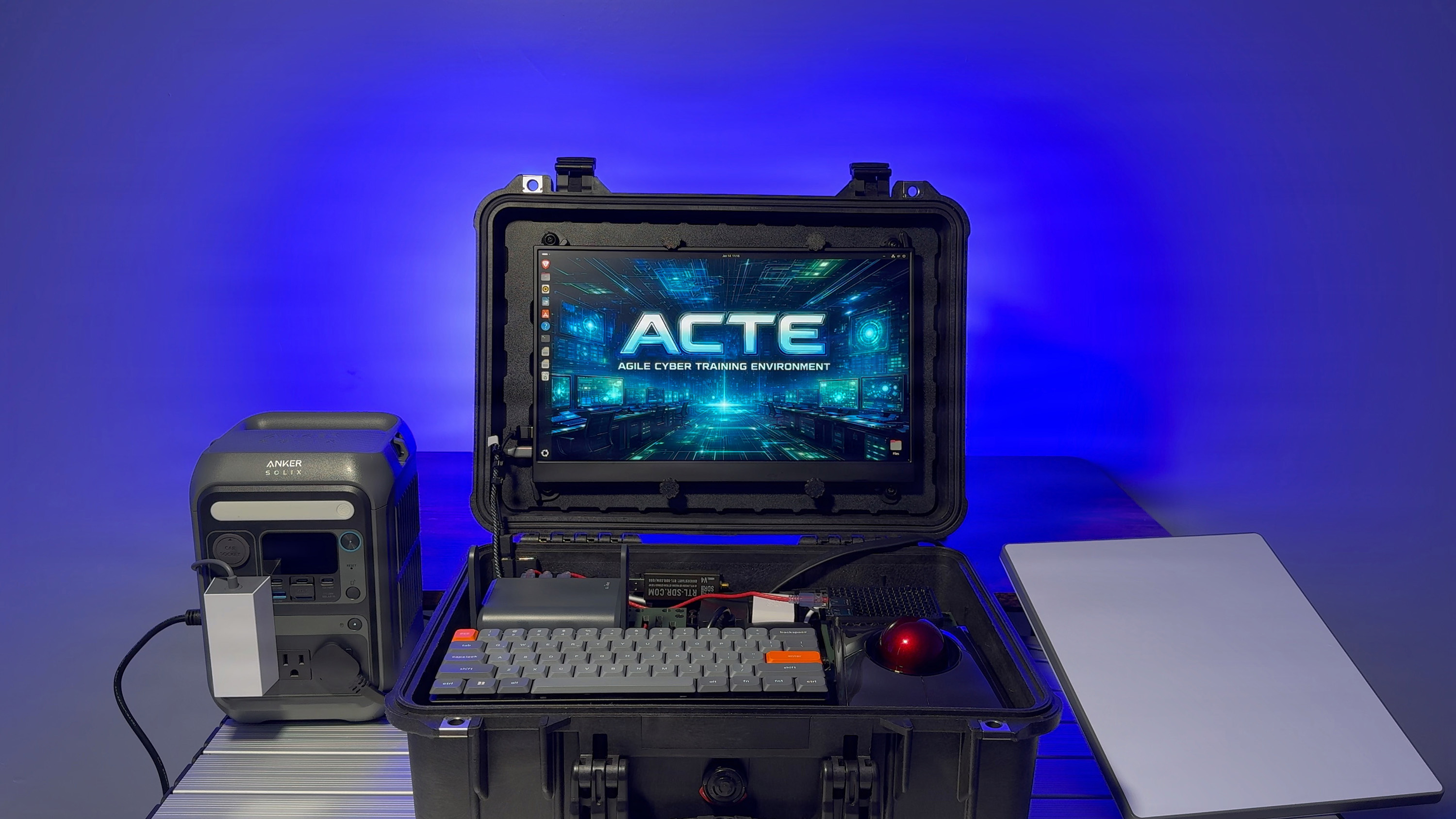
National Guard Member's Innovation Boosts Mobile Cyber Warfare Training Capabilities
The introduction of portable cyber warfare training tools marks a strategic enhancement in military readiness against evolving cyber threats, underscoring the urgency for adaptive solutions in modern warfare.
Senior Master Sgt. Taylor Gow's inventiveness in developing a portable cyber warfare training platform has gained recognition in the Air Force's annual Spark Tank competition. This innovation allows military personnel to conduct essential cyber training exercises away from traditional installations, redefining how forces can prepare for cyber operations.
Historically, the emergence of cyber warfare has escalated dramatically over the past two decades, with state and non-state actors increasingly engaging in sophisticated cyber attacks. As adversaries optimize their capabilities to exploit vulnerabilities, the U.S. military recognizes the critical need for agile training solutions that equip its personnel with the necessary skills to counter digital threats in diverse environments.
This development is significant as it reflects shifting priorities in military strategies towards integrated cyber capabilities, essential in addressing rapid technological advancements and increasing reliance on information systems. A mobile training platform could enhance cyber readiness across the globe, reducing gaps in capability that adversaries may seek to exploit.
Key actors involved, including the Air Force and the National Guard, aim for immediate operational readiness against increasingly aggressive cyber threats from nations like Russia, China, and non-state actors. The move hints at potential budget reallocations towards cyber capabilities, indicating a shift in focus from traditional warfare to hybrid warfare where cyber expertise is crucial.
Operational details indicate that Gow's innovation simplifies and focuses training on realistic cyber attack scenarios, allowing rapid deployment in various settings. Given that 2023 pentagon budget allocations highlight a marked increase towards cybersecurity initiatives, this invention emerges as a timely reinforcement of that trend.
The likely consequence of this innovation is an uptick in personnel skilled in cybersecurity, offering the military a frontline defense bolstered by enhanced training methodologies. However, it also raises concerns regarding vulnerability, as rapid adaptation of adversaries could outpace military advancements if training does not evolve concurrently.
Historically, innovations that address operational voids, such as the adoption of mobile radar systems in the 1990s, have often led to enhanced situational awareness and response capabilities. Gow’s invention could be seen as a similar recognition of the necessity to adapt to evolving warfare, reinforcing the military’s investment in emergent technologies.
As this initiative progresses, stakeholders should monitor responses from adversarial nations and any increase in cyber aggression, indicating the evolving landscape of warfare. Additionally, further developments in mobile capabilities may signal broader changes in military frameworks that emphasize agility in cyber operations.