Myanmar’s Junta Stages Rigged Election, Legitimacy Remains Elusive
Myanmar's military-backed election reveals the junta's desperation for international legitimacy while tightening its authoritarian grip. The ruling party, USDP, will ensure military interests take precedence amidst ongoing civil unrest.
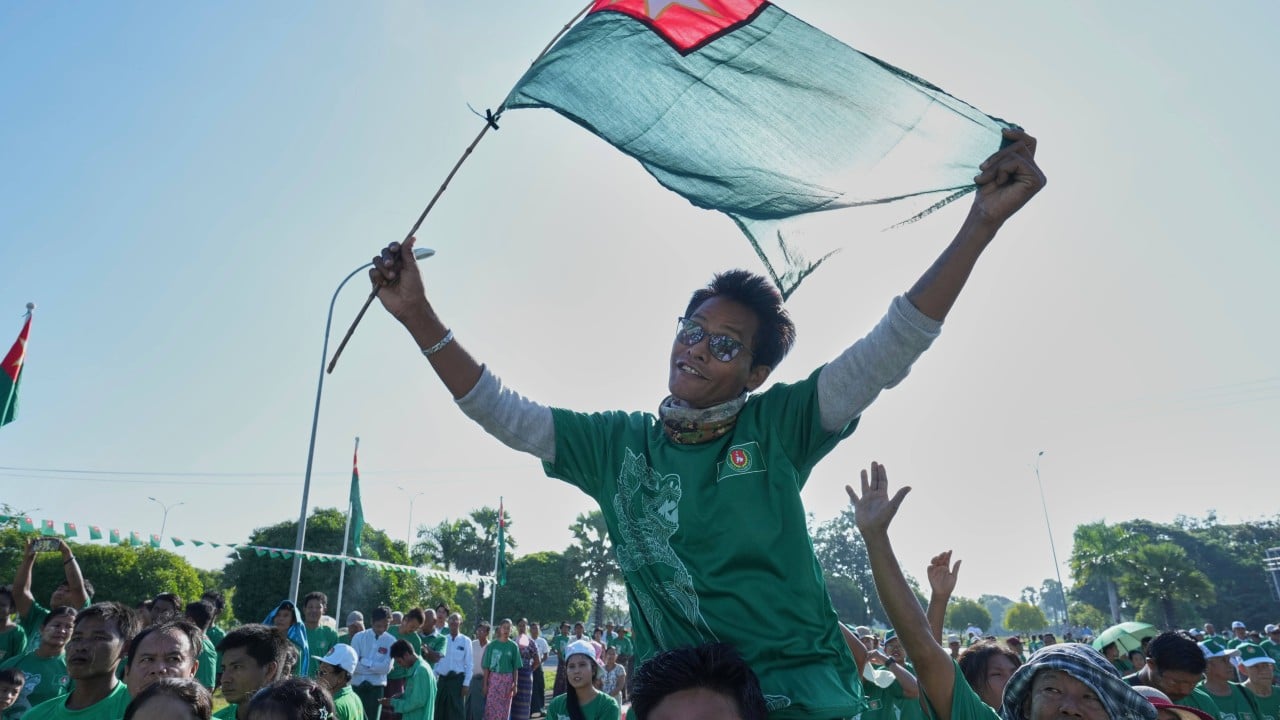
The military junta in Myanmar has staged a tightly controlled election designed to bolster its legitimacy, yet it has failed to escape international condemnation. The Union Solidarity and Development Party (USDP), closely aligned with military interests, secured a commanding majority in the new parliament, which is set to convene next week. This election process, widely criticized as a farce, serves to formalize the junta's repressive rule while ignoring the voices of opposition and civil society.
Background context reveals that the military seized power in February 2021, unseating a democratically elected government and sparking widespread protests and a civil conflict that continues to destabilize the region. The junta's draconian measures to crush dissent have included violent crackdowns, arbitrary detentions, and mass killings of unarmed protesters. As the global community watches in horror, the legitimacy of any electoral process controlled by the junta remains deeply questioned.
The significance of this election revolves around the junta's desperate bid to appear legitimate on the international stage, even as it maintains a brutal regime. The USDP's overwhelming majority is expected to uphold the military's interests, sidelining democratic aspirations and prolonging instability. With ethnic armed groups and other resistance forces escalating their efforts against the junta, the potential for increased violence and further conflicts looms large on the horizon.
Key actors within this crisis include Senior General Min Aung Hlaing and the USDP, with their motivations steeped in preserving power and control over Myanmar's resources. While Hlaing does not officially lead the USDP, his influence behind the scenes is undeniable. The intertwining of military control with political governance is a calculated move to shield the military from international scrutiny while continuing systematic repression of the populace.
Operationally, this election was marred by numerous irregularities, reports of voter intimidation, and widespread disenfranchisement of opposition supporters. The junta has not disclosed any election turnout statistics, reflecting their tight lid on information and further undermining claims of legitimacy. Without transparency, the world is left in the dark regarding the extent of public support or rejection of the military's rule.
The likely consequences of this election include renewed condemnation from the international community, potential sanctions, and internal backlash from the population, which increasingly demonstrates fierce resistance against the junta. Escalation vectors are particularly concerning as armed ethnic groups and pro-democracy fighters may resort to increased military engagements, further fracturing the already volatile social fabric.
Historical parallels can be drawn from other military oversight instances, such as Egypt post-Arab Spring or Algeria’s political crackdown, where elections were held under an oppressive regime and resulted in continued unrest and resistance. Such precedents emphasize that without genuine representation, merely holding elections does not equate to societal acceptance or stability.
Looking forward, the key indicators to monitor include resistance movements' consolidation in urban and rural areas, the junta's response to dissent, and any shifts in international diplomatic strategies regarding sanctions or interventions. Observers should remain vigilant for escalations, both in military confrontations and humanitarian disasters, as the junta struggles to maintain its grip amidst a population increasingly unwilling to accept its authoritarian rule.