Myanmar Train Use Surges as Fuel Costs Skyrocket
Rising fuel prices linked to Middle East conflicts force Myanmar commuters to switch from planes and cars to trains, reviving its aged rail network. This shift has significant implications for regional transport logistics and energy resilience amid global commodity shocks.
Myanmar’s railway stations, long neglected, are now overwhelmed by passengers as fuel prices soar due to the ongoing Middle East war. The surge in fuel costs has made air and road travel prohibitively expensive for many, pushing commuters onto the country’s aging but affordable train system.
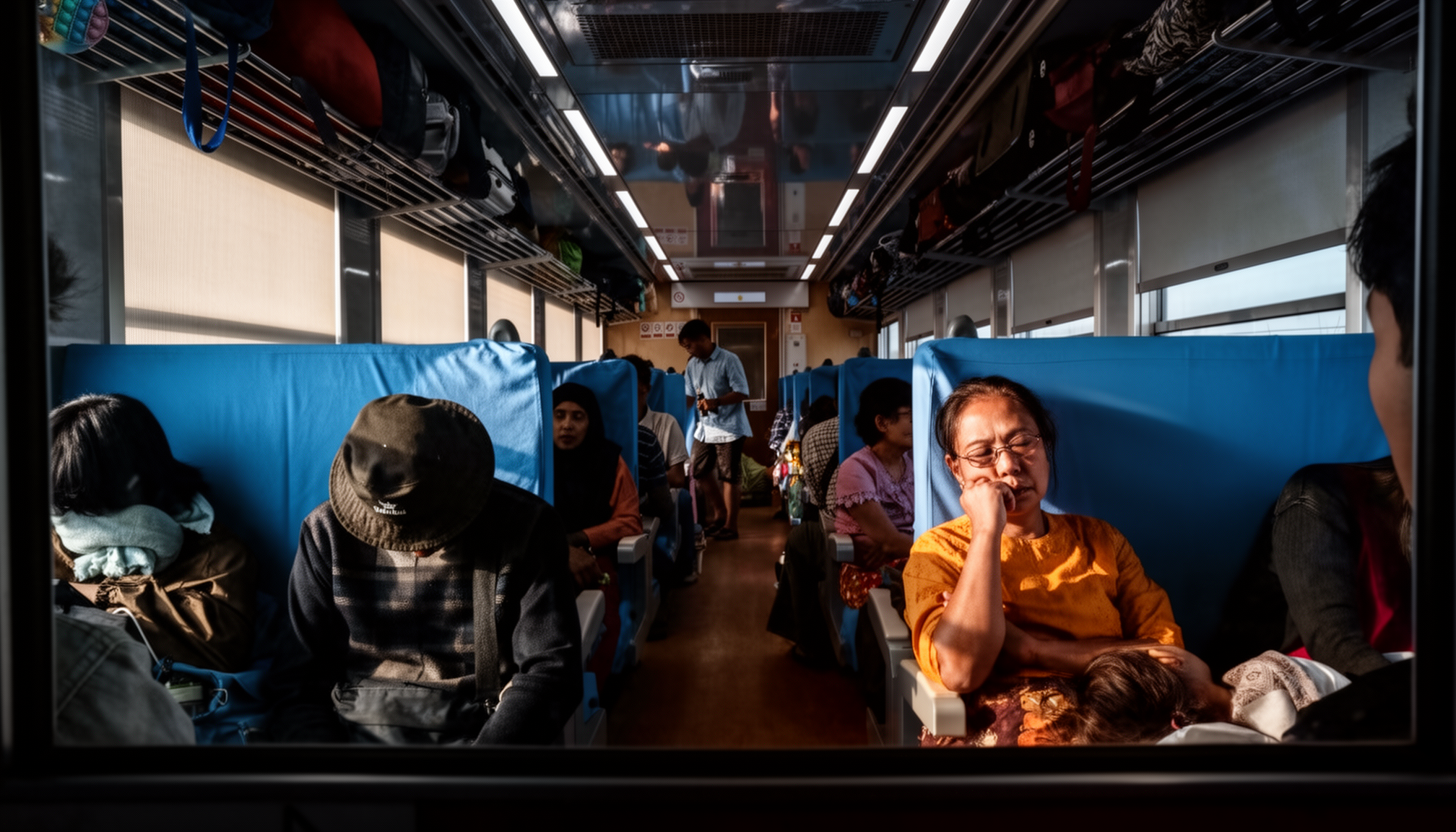
AFP reporters traveling from Yangon, Myanmar's largest city, to the capital Naypyidaw, observed crowded air-conditioned carriages filled with people resting and sharing meals like fried rice and instant noodles. This illustrates a resurgence in the use of trains, a mode of transport once eclipsed by cheaper buses and growing car ownership.
Strategically, Myanmar’s pivot back to rail underlines the country's vulnerability to global fuel shocks and exposes the critical need to modernize public transport infrastructure. This transition poses both opportunities and challenges for Myanmar’s logistics, economic stability, and regional connectivity in Southeast Asia.
Operationally, first-class train tickets cost 19,000 kyats (roughly US$9), a far more affordable option compared to rising bus fares and soaring costs of domestic flights. Trains operate on limited, aging infrastructure which affects travel times but provides essential mobility when fuel prices make alternatives unsustainable.
Looking ahead, the increased reliance on rail could pressure the government to invest in upgrades and expand capacity. Failing to address infrastructure deficits could stifle economic activity and deepen transport inequality, while improving rail networks might enhance Myanmar’s resilience against continuing energy price volatility.