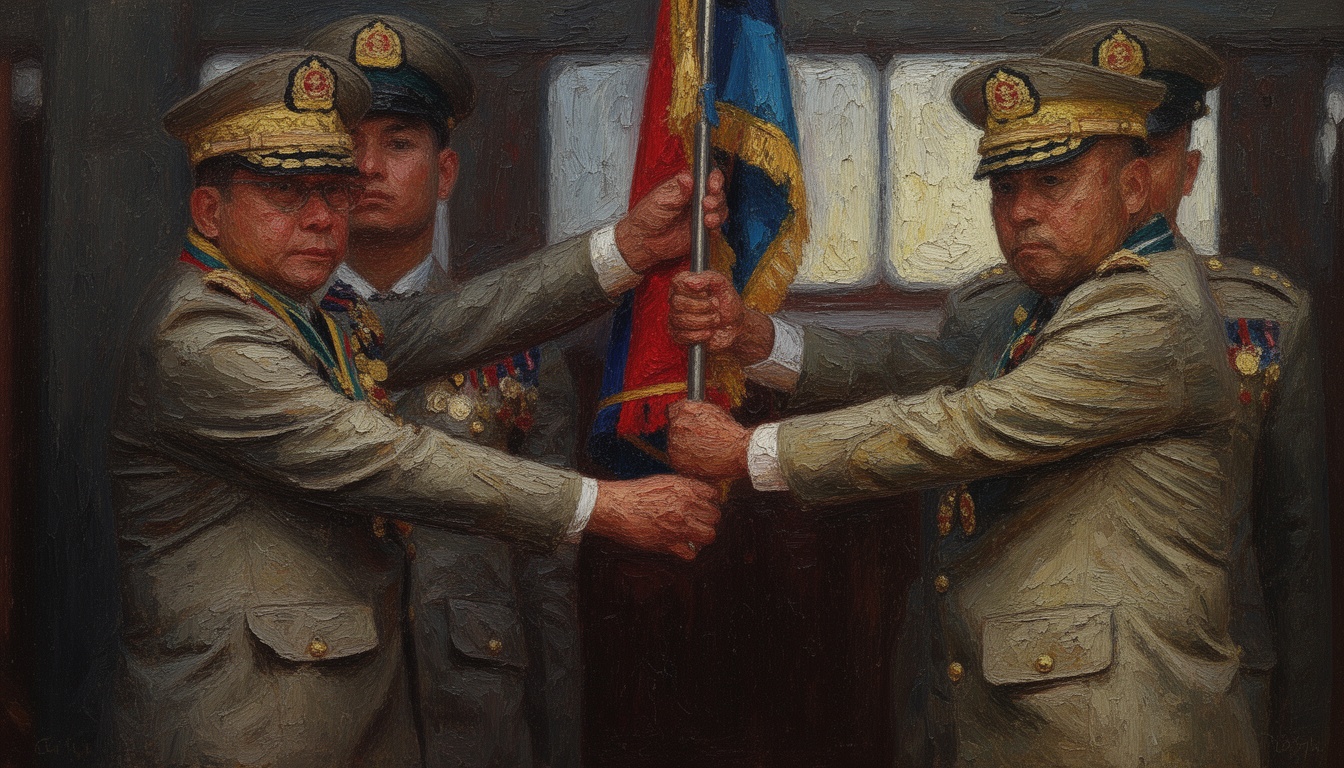
Myanmar General Resigns to Cement Military Rule, Not Reform
Myanmar’s top general resigns from military to secure presidency, analysts warn this move masks continued junta dominance. This maneuver represents constitutional repackaging rather than true civilian governance, risking deeper institutional militarization and regional instability.
Myanmar’s military chief Min Aung Hlaing resigned as commander-in-chief Monday after the parliament approved his path to presidency. This orchestrated exit is widely seen as a strategic ploy to legitimize continued military control under a civilian title.
Since the February 2021 coup, Myanmar’s ruling junta has suppressed democratic institutions and opposition forces. Min Aung Hlaing consolidates personal power while maintaining direct military influence, abusing constitutional processes to entrench the regime.
Strategically, this shift attempts to placate international criticism by appearing civilian-led, yet it solidifies military dominance in state affairs. The move signals Myanmar’s armed forces deepening their role in governance amid escalating internal conflict and deteriorating human rights conditions.
Technically, Min Aung Hlaing retires from active military command but retains command influence via loyal deputies. The parliament, controlled by military-aligned lawmakers, cleared the constitutional path for his presidential nomination, sidelining real civilian oversight.
Looking ahead, this constitutional repackaging will likely prolong junta rule, impede democratic transition, and exacerbate internal conflict risks. International actors face increased challenges in influencing Myanmar’s military entrenched political order.