Month of Fierce Conflict Ends with No Ceasefire in Sight
Rejected ceasefire proposals from the U.S. and Iran reveal deep divisions and an escalating conflict without diplomatic exit. The stalemate highlights a regional security crisis with no immediate resolution.
After nearly a month of intense hostilities, efforts to negotiate a ceasefire between the U.S. and Iran have failed, leaving no clear path to de-escalation. Both sides rejected proposed ceasefire terms, underscoring the profound mistrust and competing strategic aims.
The conflict’s origins lie in longstanding geopolitical tensions and proxy battles across the Middle East, with recent clashes intensifying the scope and scale of violence. Previous diplomatic overtures have faltered amid hardened positions and rising casualties.
Strategically, the failure to secure a ceasefire threatens to widen the conflict, drawing in regional actors and exacerbating instability across vital oil-producing corridors. The impasse risks sparking broader confrontations between major powers with conflicting regional visions.
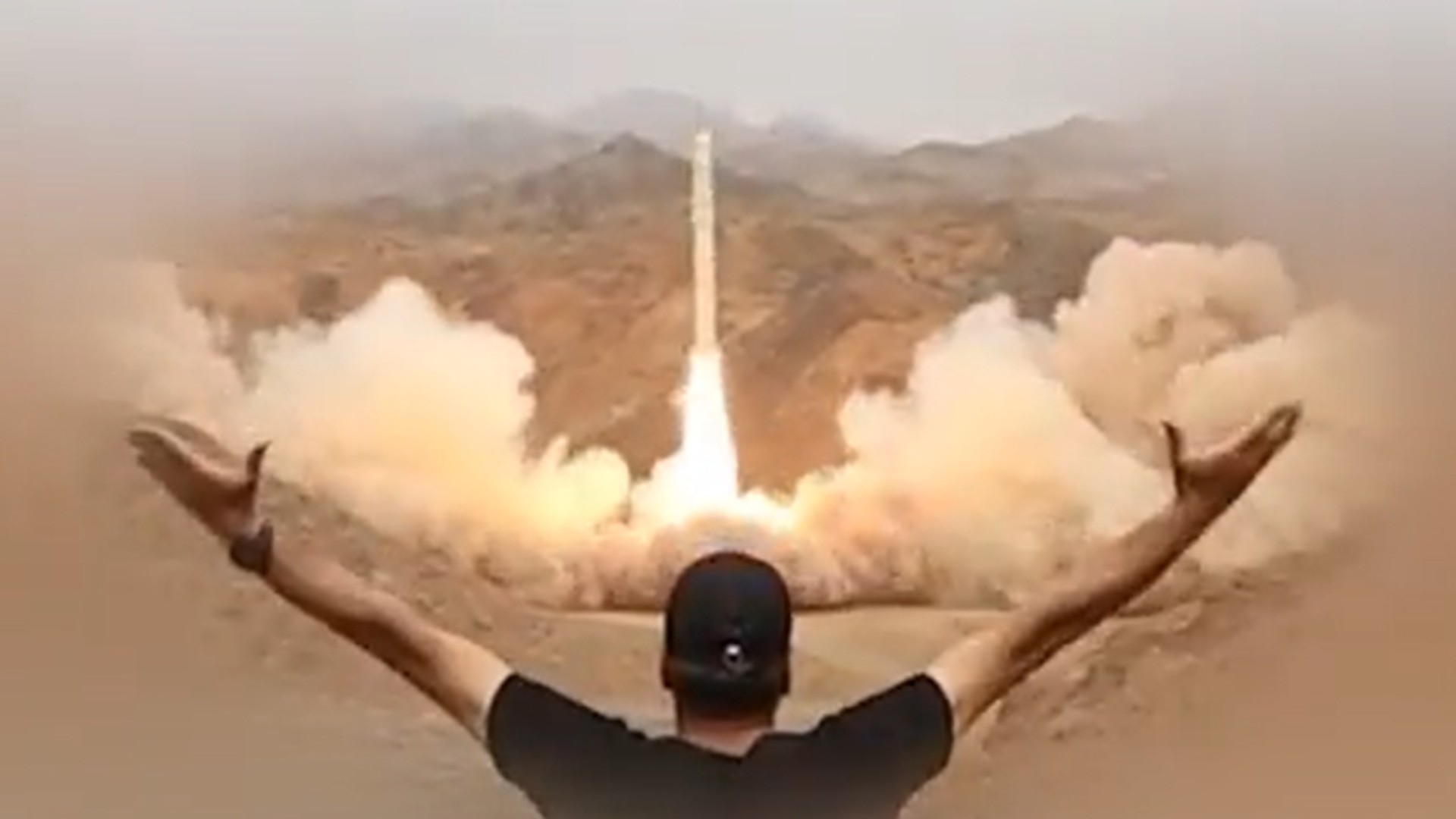
Operationally, the violence has involved advanced missile strikes, drone warfare, and special forces engagements. Both Iran and U.S. allies have deployed significant military assets, including ballistic missile launches and precision airstrikes, contributing to mounting casualties and infrastructure damage.
Without a diplomatic off-ramp, the conflict is poised to escalate further, undermining regional security and complicating U.S.-Iran relations. International stakeholders face growing pressure to broker a ceasefire before the violence spirals uncontrollably.