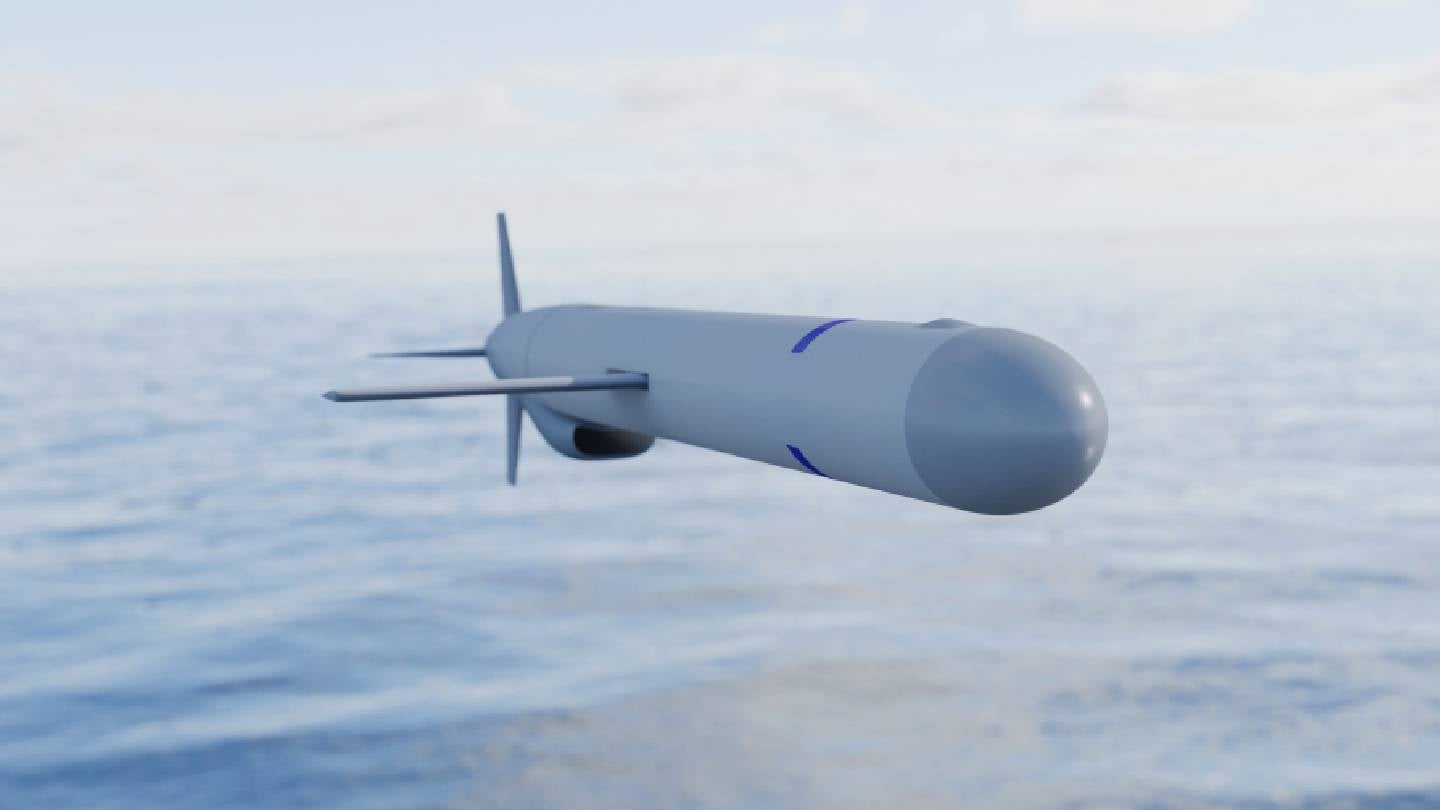
Mobix Labs Secures Tomahawk Component Order During Iran Military Operation
Mobix Labs' recent order for Tomahawk missile components signals heightened US military activity amid escalating tensions with Iran, suggesting a significant investment in offensive capabilities.
US-based company Mobix Labs has received a substantial production order for components intended for the US Navy's Tomahawk cruise missile program. This order comes at a critical juncture, as the United States positions itself against Iran's regional maneuvers that threaten maritime security and destabilize key shipping lanes.
Tensions with Iran have been escalating following a series of military operations and confrontational posturing in the Gulf region. The US has consistently maintained a military presence in the area, seeking to counter Iranian influence and prevent the development of its missile capabilities. The acquisition of Tomahawk components underlines the strategic commitment of the US to bolster its offensive capabilities in response to Iranian threats.
This development is significant as it reflects a renewed focus on precision strike capabilities, vital in contemporary conflicts. The Tomahawk has proven to be an effective long-range weapon, and expanding its operational readiness may enable the US to respond swiftly to provocations. The implications extend beyond US-Iran relations, likely prompting a recalibration of military strategies among regional actors and further entrenching an arms race in the Middle East.
Key players in this arena include not only the US and Iran but also regional allies such as Saudi Arabia and Israel, who closely monitor Iran’s military developments. Their reactions to enhanced US capabilities could lead to increased military procurements and strategic alliances, altering the balance of power in the region dramatically. Mobix Labs' role in expanding the Tomahawk program indicates the intersection of commercial interests and national security imperatives.
The specifics of the order have not been disclosed, including the financial commitment or quantity of components, which could range from guidance systems to propulsion mechanisms. Historically, Tomahawk missiles have a range of approximately 1,000 miles and are employed in strike missions from surface ships and submarines. This order suggests an impending surge in production, which may align with imminent operations or strategic deployments in the Gulf.
The likely consequences of this order include an uptick in military activities in the Persian Gulf, with the US signaling its readiness to act decisively if Iranian provocations escalate. As both nations engage in a complex game of deterrence, the ramifications of enhanced missile capabilities could provoke further responses from Iran, including potential attacks on maritime interests.
Historical precedents indicate that similar escalations often lead to multi-tiered conflicts. For instance, previous military engagements in the Middle East, particularly the Gulf War, demonstrated how the introduction of advanced weaponry can change the operational landscape, prompting retaliatory strikes and regional insecurity.
Looking ahead, analysts should monitor the construction timeline of the ordered components and any concurrent military movements from the US Navy in the region. Indicators such as increased deployment of naval assets, unexpected military exercises, and shifts in Iranian rhetoric will be critical to understanding potential escalations in this volatile theater.