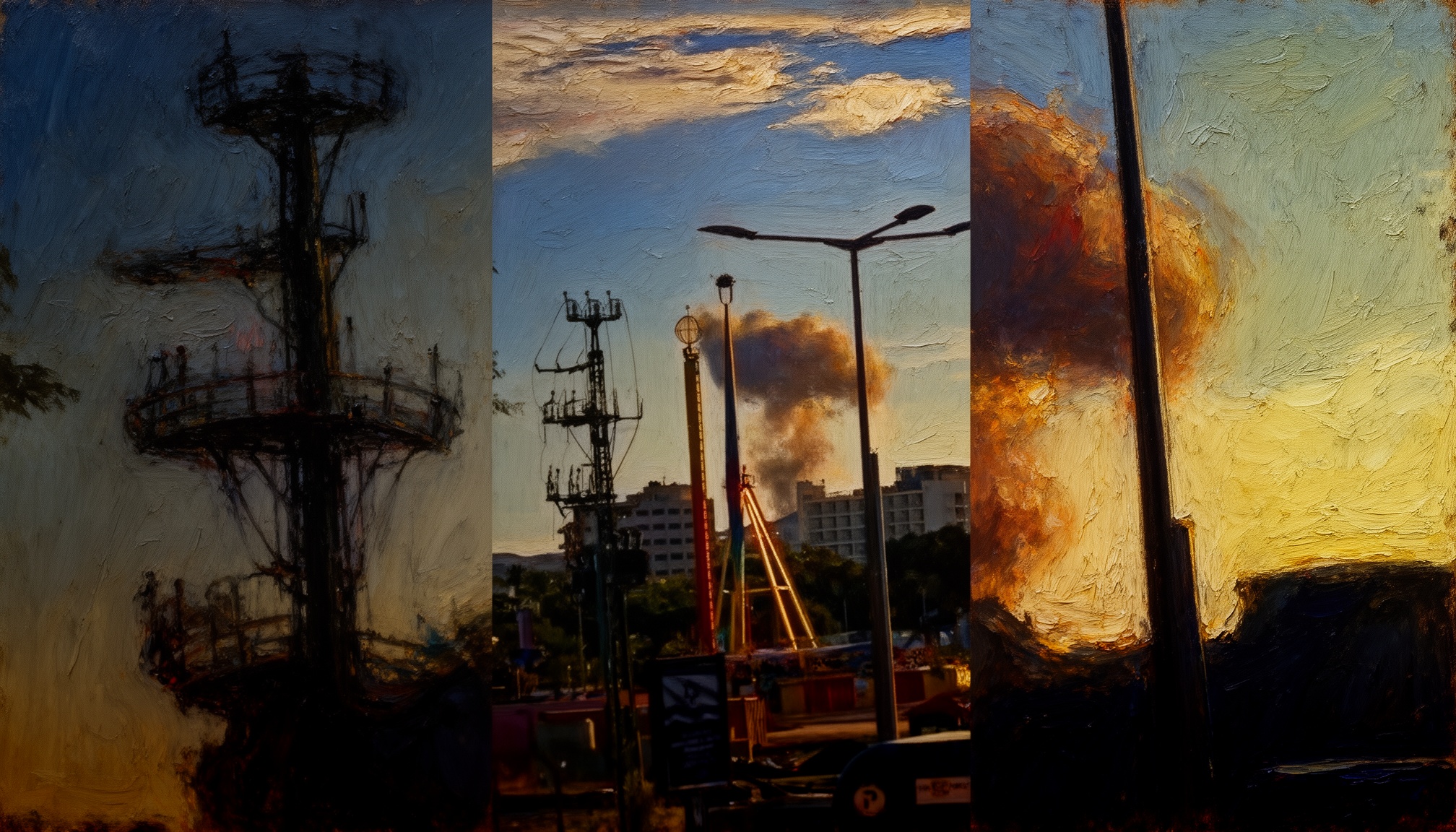
Missiles Strike Southern Israeli City Eilat, Escalating Regional Tensions
Missile strikes on Eilat mark a critical escalation in southern Israel's security dynamics, threatening regional stability. The attack signals increased hostile operations near Israel's Red Sea gateway, posing wider risks to neighboring countries.
Missiles struck the southern Israeli city of Eilat, hitting civilian areas and raising alarms over escalating violence in the region. Israeli social media sources confirmed the strike with images showing impact sites within the city. While no immediate casualty reports emerged, the attack sharply raises tensions along Israel's southern front.
Eilat, a key Israeli port on the Red Sea, serves as a strategic nexus for international maritime trade and tourism. The city has seen relative calm compared to northern borders, but its geographic position near volatile areas makes it vulnerable. This missile strike marks a rare and troubling breach of security in Israel’s southernmost urban area.
The attack carries significant strategic weight, threatening both Israeli national security and the wider Red Sea corridor that links trade routes from the Middle East to Asia and Africa. It underscores the expanding reach of hostile actors capable of targeting critical Israeli infrastructure beyond the immediate conflict zones in the north and Gaza.
Technical details about the missile type, launch origin, and range remain unclear, but imagery suggests medium-range capability given the strike depth into Eilat. Israeli defense forces are likely to reassess air defense deployments and early warning capabilities along the southern approaches. This incident may prompt increased military and intelligence activity to counter evolving threats.
The missile strike on Eilat could provoke a sharp Israeli military response and fuel further regional instability. Neighboring states and international maritime operators will intensify monitoring for repeat attacks. This escalation reveals shifting tactics by forces hostile to Israel, emphasizing the need for rigorous defense posture adjustments along all borders.