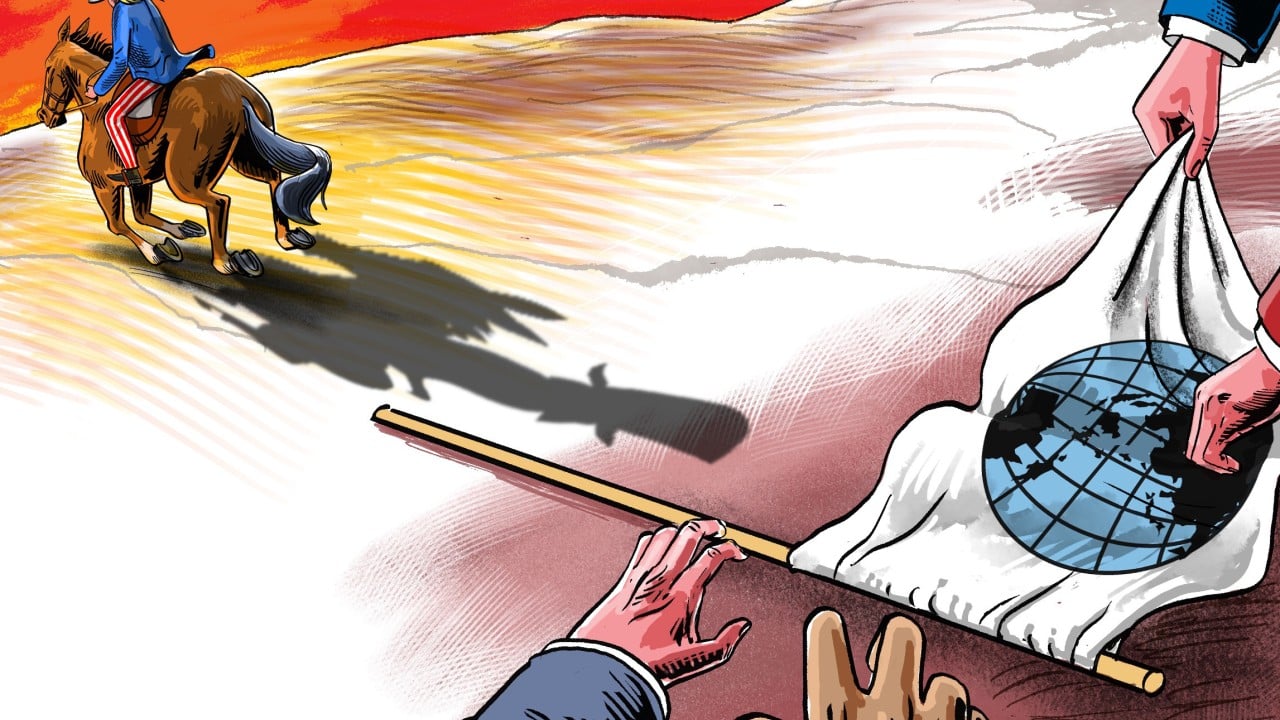
Middle Powers Seize Multilateral Leadership as US Retreats
Middle powers are stepping into global leadership roles amid US retreat from multilateral governance. The 2026 US-Israel strike on Iran and Hormuz closure reveal Washington's reluctance to uphold international rules.
Middle powers have begun to fill the leadership vacuum left by the United States' retreat from multilateral governance. The 2026 US-Israel joint attack on Iran and the consequential closure of the Strait of Hormuz marked a turning point, exposing Washington's diminishing appetite for sustaining the global order it once architected.
Historically, the post-World War II international system depended heavily on the US to back the institutions and rules it helped build. The Trump administration's unilateral moves were an early indicator, rather than an isolated event. Now, the unfolding crises have pushed middle powers to assert themselves diplomatically and militarily.
This shift carries profound strategic consequences. Without reliable US commitment, multilateral frameworks risk fragmentation. Middle powers like Germany, Japan, and India are actively stepping up, negotiating new alignments and security architectures to mitigate instability and counterbalance major power rivalries.
Operationally, these countries deploy advanced military capabilities and strengthen diplomatic coalitions. Germany is investing heavily in cyber defense and rapid deployment forces, while Japan expands maritime security partnerships in the Indo-Pacific. India leverages its strategic position to facilitate dialogue and limit escalation in the Persian Gulf.
Looking ahead, these middle powers' expanded roles may reshape global power balances, offering a more multipolar but potentially unstable international order. The US disengagement signals growing fragmentation, requiring vigilant monitoring of emerging coalitions and flashpoints.