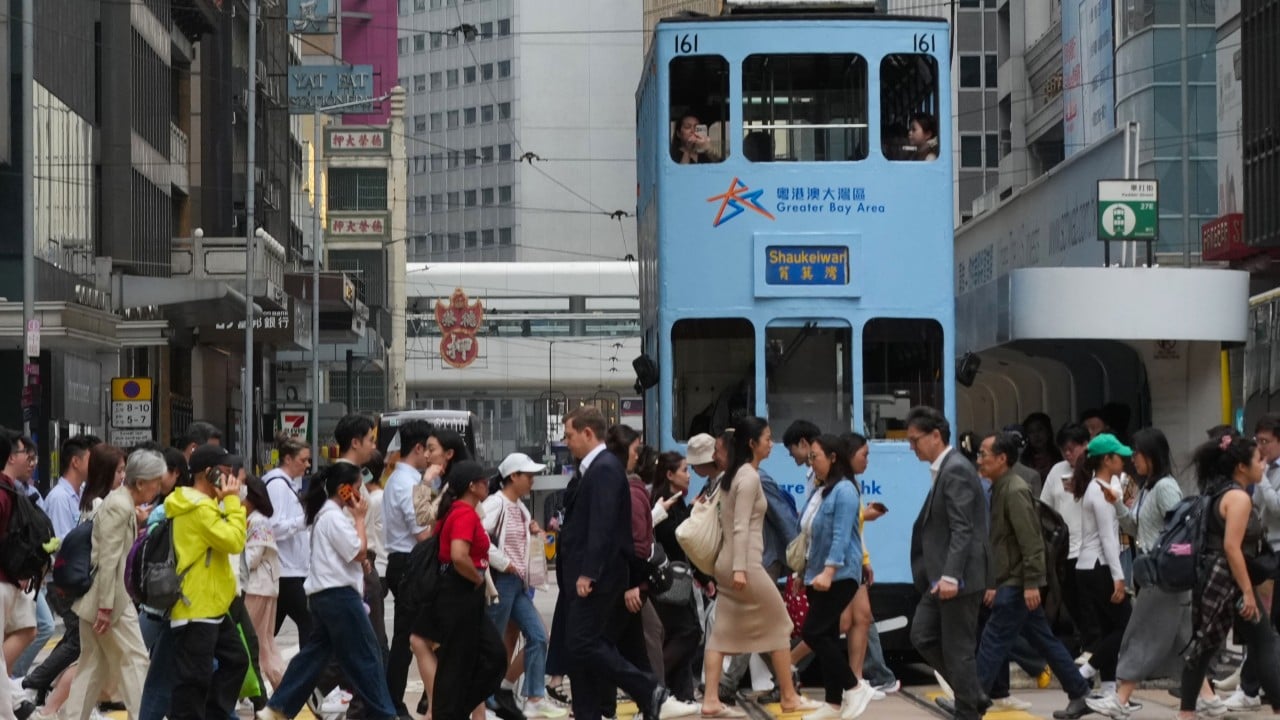
Middle East Conflict Escalation Underscores Hong Kong's Stability as Talent Hub
Rising Middle East tensions are driving talent away, positioning Hong Kong as a prime haven for skilled workers. The city’s stability is crucial amid global unrest, heightening its appeal as a safe business nexus.
The ongoing conflict in the Middle East, particularly the escalating strikes by the United States and Israel against Iranian positions, has triggered a surge of interest in Hong Kong as a safe and stable environment for global talent. Chris Sun Yuk-han, the Secretary for Labour and Welfare in Hong Kong, cited these developments as bolstering the city’s attractiveness for professionals seeking security and opportunity away from conflict zones. As tensions rise, the urgency for safe havens grows, with Hong Kong aiming to establish itself as an indispensable global talent hub.
Historically, Hong Kong has enjoyed a robust position as an international financial and trade center, benefiting significantly from its strategic location and political stability. However, recent global events, particularly those in the volatile Middle East, have prompted a reevaluation of safety and security globally. This context serves to highlight Hong Kong’s long-standing rule of law and economic resilience as paramount factors attracting international talent, especially in fields reliant on stable governance and security.
The significance of this development lies not only in the economic opportunities for Hong Kong but also in the shifting power dynamics as professionals worldwide reassess their bases amid geopolitical crises. Countries embroiled in conflict see skilled labor fleeing to safer locales, raising concerns about the long-term viability of their economies. By positioning itself as a protection from this turbulence, Hong Kong could inadvertently draw significant economic activity and a renewed influx of human capital.
Key actors in this scenario include regional powers like Iran and Israel, as well as global stakeholders like the United States, which have direct influence over stability in the Middle East. The conflict's spillover effects are prompting nations to reconsider their own security frameworks, while nations like China and Hong Kong exploit these geopolitical rifts to attract talent and investment. The labor minister’s commentary reflects these emerging motivations to secure Hong Kong's economic future amidst global turmoil.
Operationally, Hong Kong's government has projected its capabilities in attracting not just local talent but also foreign professionals through favorable immigration policies. This includes work visas that encourage skilled labor to relocate in response to the instability elsewhere. The city's commitment to fostering a safe environment, coupled with its infrastructure, positions it to capture a substantial portion of the global talent market as conflicts intensify elsewhere.
In terms of potential consequences, the crisis dynamics in the Middle East could create a feedback loop, with increasing talent drain from conflict-prone regions amplifying pressure on their economies. Simultaneously, Hong Kong could face challenges as its resources become strained from an influx of skilled individuals seeking refuge, necessitating robust infrastructure adaptation to sustain growth.
Historical parallels can be drawn to the post-Cold War era when many professionals sought stability in economically prosperous countries following periods of intense geopolitical strife. Similarly, crises have often precipitated significant demographic shifts toward nations that promote safety and economic opportunity. Hong Kong's current strategy mirrors those historical precedents, positioning it as a critical hub during global unrest.
Looking forward, intelligence indicators to monitor will include migration patterns, changes in immigration policies within Hong Kong, and shifts in local economic indicators correlating with changing global tensions. The city must effectively manage its growth to maintain its appeal as a destination for global talent amidst fluctuating international landscapes.