Middle East Conflict Disrupts Oil Supply, Boosts China's Energy Security Push
Iran's escalating conflict threatens global oil supplies, pushing China towards energy independence. The disruption in the Strait of Hormuz marks a critical turning point for international energy security dynamics.
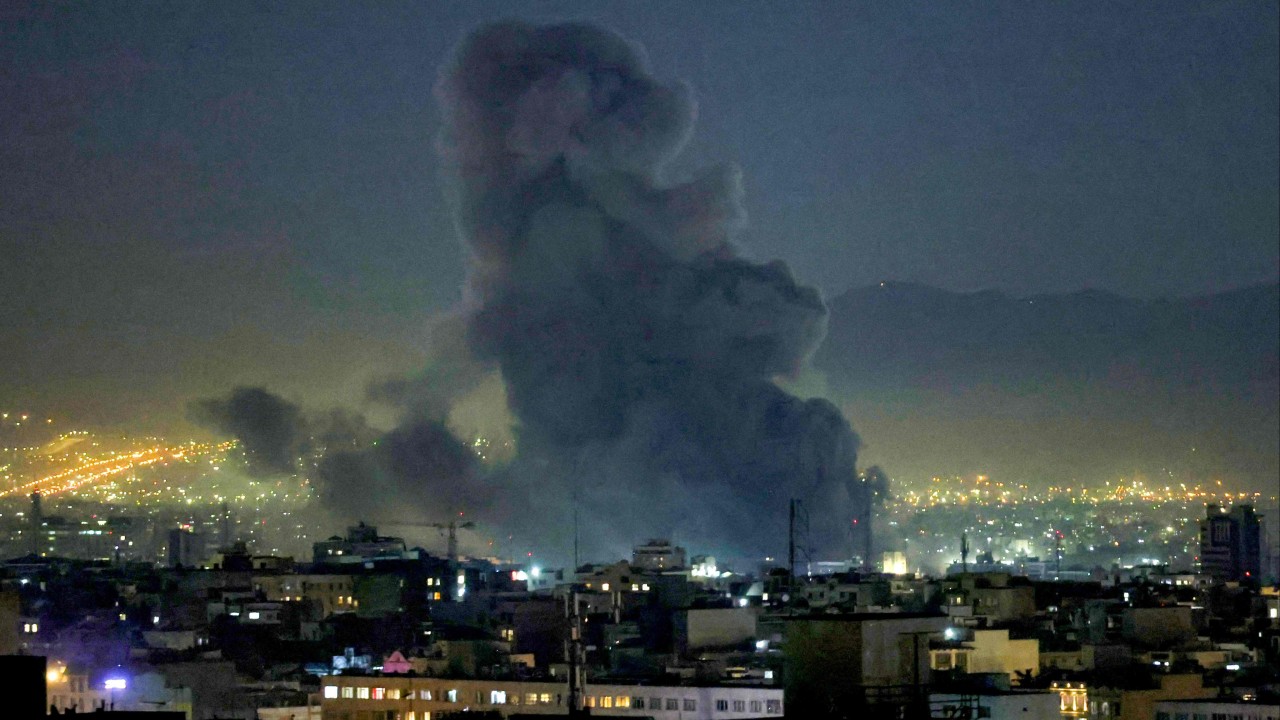
The conflict in the Middle East dramatically escalated following U.S. and Israeli airstrikes against Iranian targets, resulting in significant disruptions to commercial shipping in the Strait of Hormuz. Oil prices have surged amid fears of a protracted regional conflict, threatening the stability of energy markets worldwide. Analysts warn that while China’s immediate crude supply remains intact, the escalating crisis has intensified the urgency for Beijing to secure its energy resources.
The Strait of Hormuz is the world’s most crucial oil transit chokepoint, with approximately 20% of the global oil trade passing through it. Hostilities in this region are anything but new; Iran has frequently threatened to block this artery, particularly when tensions with the West flare. The recent strikes mark a new chapter in an ongoing power struggle, where Iran's ambitions to dominate the Gulf clash head-on with U.S. interests and those of its allies.
This situation is significant not just for oil markets, but for the global balance of power. China's dependency on energy imports makes it exceptionally vulnerable to fluctuations in oil prices influenced by Middle Eastern conflicts. With crude costs rising sharply, the potential for economic instability grows, compelling China to accelerate its drive towards energy self-sufficiency and alternative sources.
China's motivations are clear: the current destabilization serves as a reminder of its heavy reliance on foreign oil. Inside China, state policy is increasingly geared towards reducing dependency through initiatives like the Belt and Road Initiative and investment in renewable energy technologies. Additionally, Beijing may seek to leverage its geopolitical influence to secure stable energy routes while simultaneously mitigating risks associated with trade through volatile areas like the Strait of Hormuz.
The specifics of the conflict—U.S. and Israeli forces targeting Iranian military installations—reveals a clear operational dimension. These actions have prompted immediate Iranian threats of retaliation, elevating the risk of a broader military confrontation that could further cripple shipping routes vital to global energy supplies. With regional tensions boiling, China is likely to review its military and diplomatic posture in the area, potentially increasing naval presence in the Indian Ocean for better deterrent capabilities.
As this conflict unfolds, the consequences will resonate far beyond the immediate region. Supply chains may be disrupted, leading to spikes in oil prices that can destabilize economies worldwide, presenting China with both an opportunity to pivot towards independence and a challenge to manage heightened geopolitical tensions. Conflict escalation could push other regional players into action, creating a volatile mix of alliances and confrontations.
Historically, crises in the Middle East have often had global repercussions, akin to the 1973 oil embargo that reshaped energy policies worldwide. The current disruptions echo similar anxieties from past conflicts, suggesting that nations heavily reliant on oil imports will need to reevaluate their strategies in light of potential supply shocks.
Going forward, observers should focus on immediate military maneuvers by Iran and regional allies, potential retaliatory actions, and China's strategic responses. Intelligence indicators to watch include shifts in oil prices, changes in shipping traffic through the Strait of Hormuz, and any signs of increased military readiness from both U.S. and Iranian forces, all of which will inform the trajectory of global energy security.