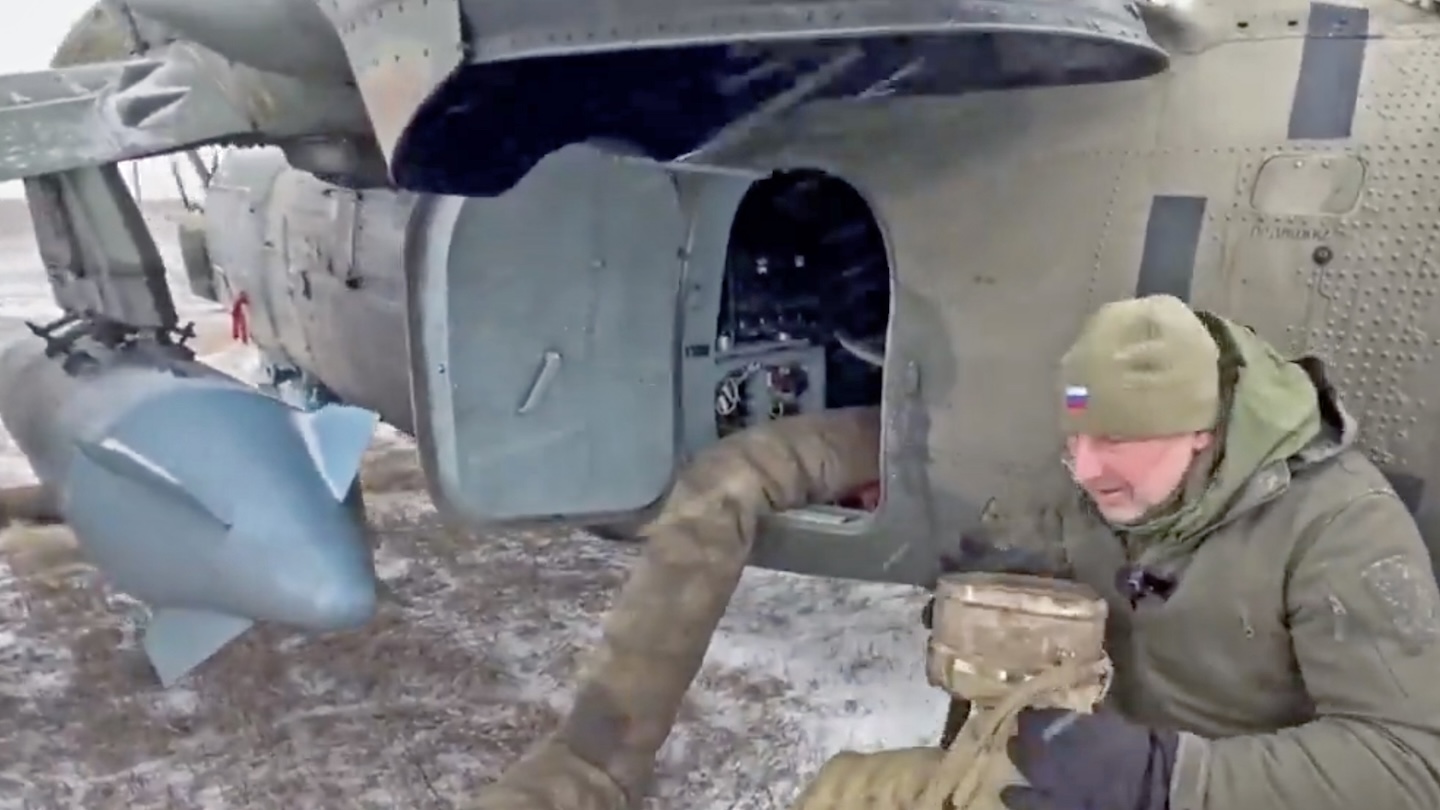
Mi-28 Havoc Helicopter Features Small Compartment for Downed Pilot Recovery
Russia's Mi-28 Havoc attack helicopter incorporates a crew compartment designed for emergency pilot recovery. This design element enhances operational flexibility and support for downed aircrew in combat scenarios.
The Mi-28 Havoc, a prominent Russian attack helicopter, includes a compact crew compartment specifically engineered for the potential recovery of downed pilots. This feature, while reminiscent of the Mi-24 Hind's capabilities, is streamlined for quick response in austere conditions. The compartment allows for the transport of a pilot from the battlefield, bolstering the helicopter's utility during engagements.
The inclusion of a pilot recovery feature in the Mi-28 Havoc underscores Russia's ongoing focus on enhancing operational capabilities of its aircraft in response to evolving battlefield dynamics and increasing risks faced by aircrew. The ability to recover personnel directly from combat zones could play a significant role in maintaining morale and operational continuity, particularly in high-stakes engagements where aircrew may be isolated.
Key players in this context include the Russian Ministry of Defense, which emphasizes innovative designs to improve air combat effectiveness and survivability of pilots, and adversarial forces that must consider the implications of enhanced Russian air capabilities in their tactical planning. The Mi-28's design reflects the priorities of a military that values the dual role of attack helicopters as both offensive platforms and life-saving resources in combat.
Globally, the increased capabilities of the Mi-28 Havoc could influence aerial combat strategies, particularly in regions experiencing heightened conflict. Other military powers may seek to replicate such features or develop countermeasures to mitigate the effectiveness of pilot recoveries in active operations. This trend aligns with a growing emphasis on force protection and recovery operations in modern warfare.
Historically, the integration of recovery features in combat platforms has evolved as a response to significant losses in past conflicts. Russia's adaptation of the Mi-28 demonstrates a learning curve from previous engagements where pilot safety and recovery have proved critical in sustaining operational effectiveness.
Analysts assess that the Mi-28's design innovations could enhance its attractiveness to foreign markets in need of multifunctional rotary-winged platforms. As military doctrines continue to adapt, this added capability positions Russia to leverage its high-tech advancements in international arms sales, reshaping competitive dynamics in the global defense landscape.