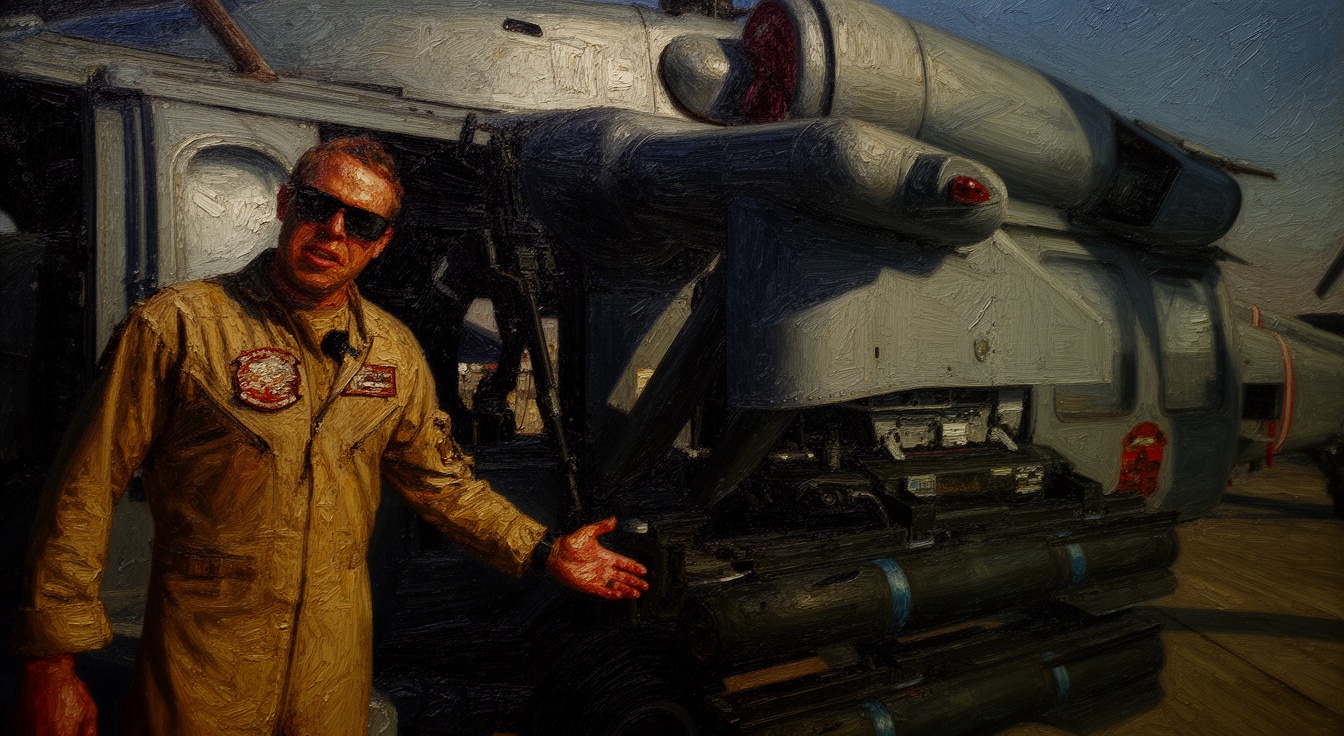
MH-60S Pilot Details Multi-Mission Roles During Seahawk Tour
The MH-60S helicopter is presented as a versatile workhorse for the U.S. Navy, capable of performing replenishment, mine hunting, and anti-surface warfare. The piece highlights pilot insights into the aircraft's varied missions and ongoing maintenance and training requirements. While informative for program followers, it has limited wider strategic impact beyond showcasing platform versatility.
A U.S. Navy MH-60S pilot outlines the helicopter’s breadth of missions during a Seahawk tour. The pilot emphasizes how the airframe supports ship replenishment operations, surface warfare tasks, and specialized mine countermeasure roles. The interview combines operational anecdotes with routine checks, underscoring the aircraft’s adaptability in different maritime environments. The tone remains promotional but anchored in how the platform fulfills multiple demanding tasks.
Context for the Seahawk’s role is grounded in decades of carrier and littoral operations. The MH-60S has repeatedly demonstrated its ability to transition between supply support and direct threat response. The article situates the helicopter within a broader fleet architecture that relies on multi-mission aircraft to reduce platform churn and increase logistical resilience. It also notes programmatic commitments to sustainment and upgrades.
Strategic significance is limited to organizational efficiency and readiness. The helicopter’s versatility contributes to fleet flexibility, enabling rapid reallocation of air resources in response to evolving mission needs. The piece hints at broader naval reform efforts to optimize air wing composition and maintenance pipelines. These factors collectively influence how the Navy allocates budget and training time across platforms.
Technical and operational details include notes on the MH-60S’s mission set: ship replenishment support, mine countermeasure capabilities, and anti-surface warfare potential. The article references typical crew sizes, maintenance cycles, and the importance of routine proficiency checks. It also mentions interoperability with other naval assets and how data-sharing enhances mission planning and threat tracking.
Forward assessment suggests continued reliance on the MH-60S for diverse tasks, with improvements likely coming from maintenance modernization and incremental weapon-system upgrades. The tour underscores ongoing training emphasis and the need to integrate new sensors and software into existing workflows. The outcome is a more resilient air component capable of absorbing mission shifts without sacrificing readiness.