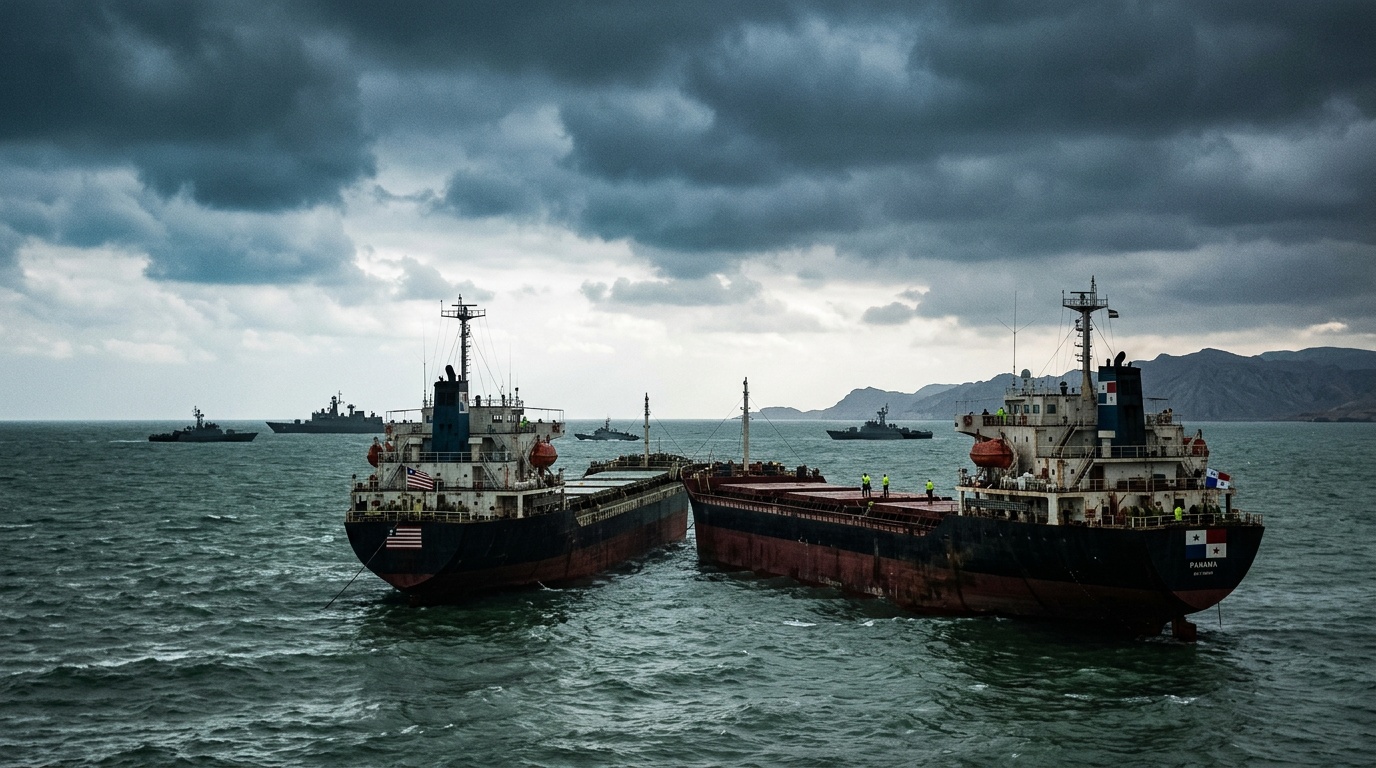
Merchant Ships Stranded as Iran Escalates Threats in Gulf Conflict
The Strait of Hormuz has transformed into a perilous zone for maritime trade, with Iran's aggressive actions posing significant risks to global shipping routes. Sailors now face dire consequences amid the rising tensions.
Iran's persistent attacks targeting merchant vessels in the Strait of Hormuz have created an increasingly dangerous environment for maritime operations in the Gulf. As a result, numerous vessels remain stranded, unable to navigate this vital international shipping route. The situation has escalated into a full-blown crisis, threatening both commercial shipping and regional stability.
Tensions in the Middle East have a long, fraught history, particularly in the context of Iran's adversarial stance towards U.S. interests and its regional rivals. The Strait of Hormuz, a critical chokepoint for approximately 20% of global oil shipments, has seen a spike in hostile encounters, including drone strikes and the seizure of vessels. This uptick reflects Iran's strategy to exert influence through maritime disruption as leverage against Western sanctions and military presence in the region.
The strategic implications of these developments are profound. The Gulf's instability directly impacts global oil prices, maritime security, and international trade. With the Iranian regime showing a willingness to escalate confrontations, the potential for a miscalculation leading to armed conflict remains high, jeopardizing not just regional players but allies and trading partners worldwide.
Key actors in this unfolding crisis include Iran, emboldened by its recent displays of military capabilities, and the international shipping community, which seeks to maintain access to the critical strait. Moreover, China's presence—illustrated by sailor Wang Shang's situation—underscores the global nature of these tensions as countries reliant on Gulf oil navigate this perilous landscape.
Recent operational details reveal that Iranian forces have been utilizing drones and fast boats in harassment tactics against merchant vessels, complicating the already hazardous navigation conditions. Additionally, U.S. naval assets have been redeployed to the region to deter further Iranian aggression, creating a fragile balance of power that could shift quickly with any provocation.
The consequences of these tensions are dire. If Iran continues its aggressive posturing, the likelihood of retaliatory actions from not only the U.S. but also regional allies could drastically escalate military engagements in the Gulf. The economic impacts of sustained disruption to ship traffic will also reverberate worldwide, increasing trade costs and global oil prices.
Historically, the Gulf has experienced similar crises, most notably the Tanker War during the Iran-Iraq War in the 1980s, where maritime attacks severely disrupted shipping and trade. Past conflicts serve as a precedent that indicates the potential for drawn-out engagements rooted in maritime security and regional power struggles.
In the coming weeks, observers should monitor the activities of both Iranian naval forces and international coalitions in the Gulf. Intelligence indicators to watch include the frequency of maritime attacks, naval deployments from various countries, and shifts in oil prices as markets respond to the increased risks in these vital waters.