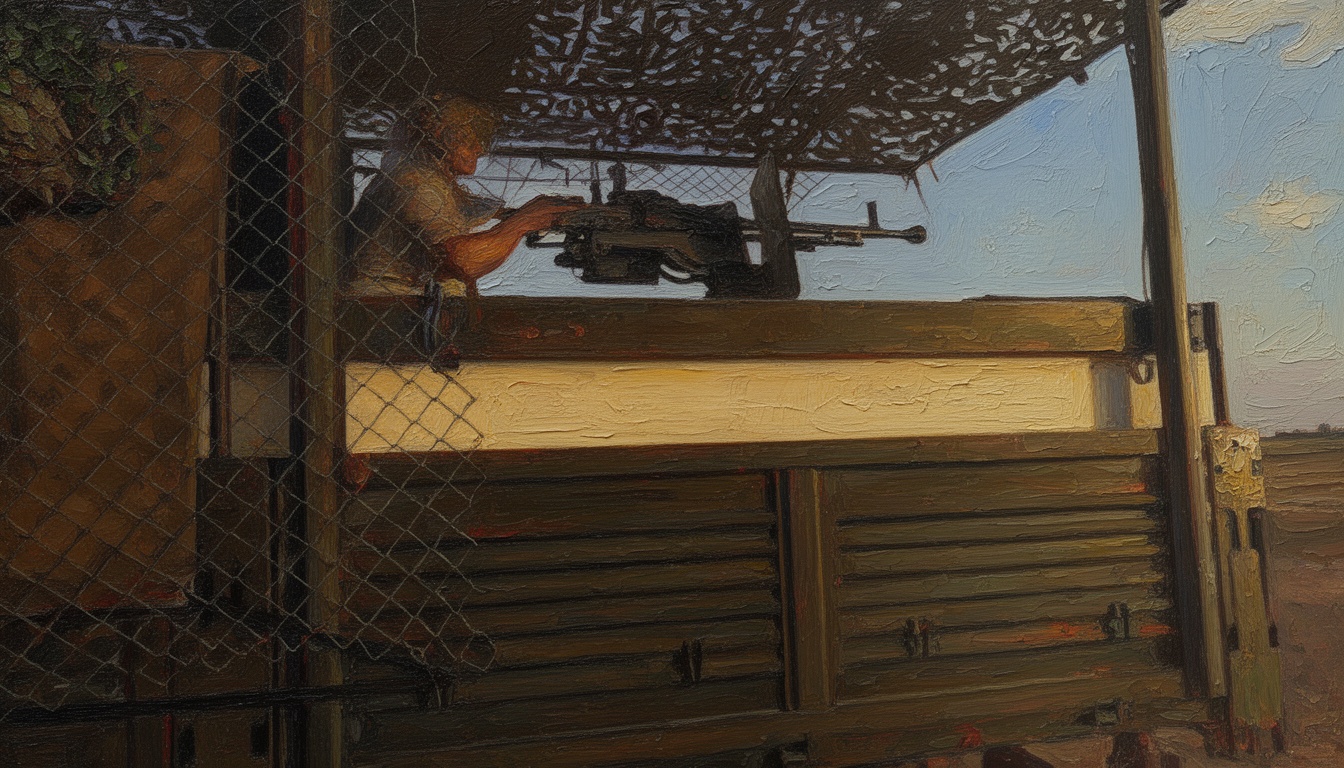
Mercenaries Withdraw After Fierce Fighting in Mali's Kidal
Africa Corps, a Russia-linked paramilitary unit under the Defence Ministry, confirms its forces pulled back from Kidal after heavy clashes. The group has supported Mali's junta since 2025, part of a longer Russian footprint in the country dating to 2021. The withdrawal signals ongoing instability and shifting alignments in northern Mali.
Africa Corps, a paramilitary force controlled by Russia's Defence Ministry, has announced the withdrawal of its fighters from the northern Malian town of Kidal following intense combat. The group stated that the withdrawal occurred after fierce engagements with local forces and other actors in the area. This move comes as part of its broader mission to support the Malian junta, a relationship that has become increasingly visible on the ground in recent years. The timing and outcome of the clashes will likely influence the tempo of operations in the region going forward.
The presence of Africa Corps in Mali began to be publicly documented in 2025 when the unit started backing the junta’s security and counter-insurgency efforts. Moscow has pursued a multi-year strategy to extend its influence through security assistance, training programs, and the deployment of paramilitary assets. In Kidal, where French-led and regional security dynamics have long been complex, Africa Corps operated alongside or in coordination with local security forces and allied militias. The withdrawal from Kidal does not necessarily signal a withdrawal from Mali as a whole, but it concentrates activity in other zones where Moscow’s partners remain active.
Strategically, the development underscores Russia's persistent ability to project armed assets into Sahelian theatres despite international pressure and domestic constraints. Mali remains a focal point for Moscow’s attempt to forge a foothold in West Africa, leveraging security cooperation and mining-developed leverage to sustain political influence. The move from Kidal could recalibrate risk assessments for other regional actors, potentially creating space for rival forces or insurgent groups to maneuver. Observers will watch for shifts in tempo, posture, and provincial control in the wake of the withdrawal.
Technical and operational details remain limited in the available briefings. Africa Corps is described as a Defence Ministry-controlled unit, implying centralized command and a formal chain of command structure. Quantitative details on personnel, equipment, or the exact composition of forces in Kidal have not been disclosed. What is clear is that the group has been integral to Mali’s security architecture since 2025, contributing to joint operations, training, and advisory roles with local forces. The broader Russian security enterprise in the Sahel includes observers and specialists who advise on counter-terrorism, border control, and information operations, though the exact balance of capabilities in any given theater often shifts with local realities.
Looking ahead, the Kidal withdrawal may influence the balance of leverage between the Malian authorities and external partners. If Africa Corps repositions to other theaters or consolidates in adjacent zones, Moscow’s ability to shape security outcomes in northern Mali could persist, even as operational risk remains high for all parties. For regional security, this development may spur neighboring states and international partners to reassess red lines, sanctions, or security coordination efforts. The immediate outlook is one of heightened uncertainty, with continued volatility likely to define Mali’s security landscape in the near term.