Melania Trump’s UN Speech Exposes Diplomatic Hypocrisy on Child Welfare
Melania Trump's address at the UN Security Council starkly reveals a dangerous disconnect between U.S. rhetoric and its actions towards children in conflict zones. This moment underscores critical international security failures amid ongoing wars and humanitarian crises.
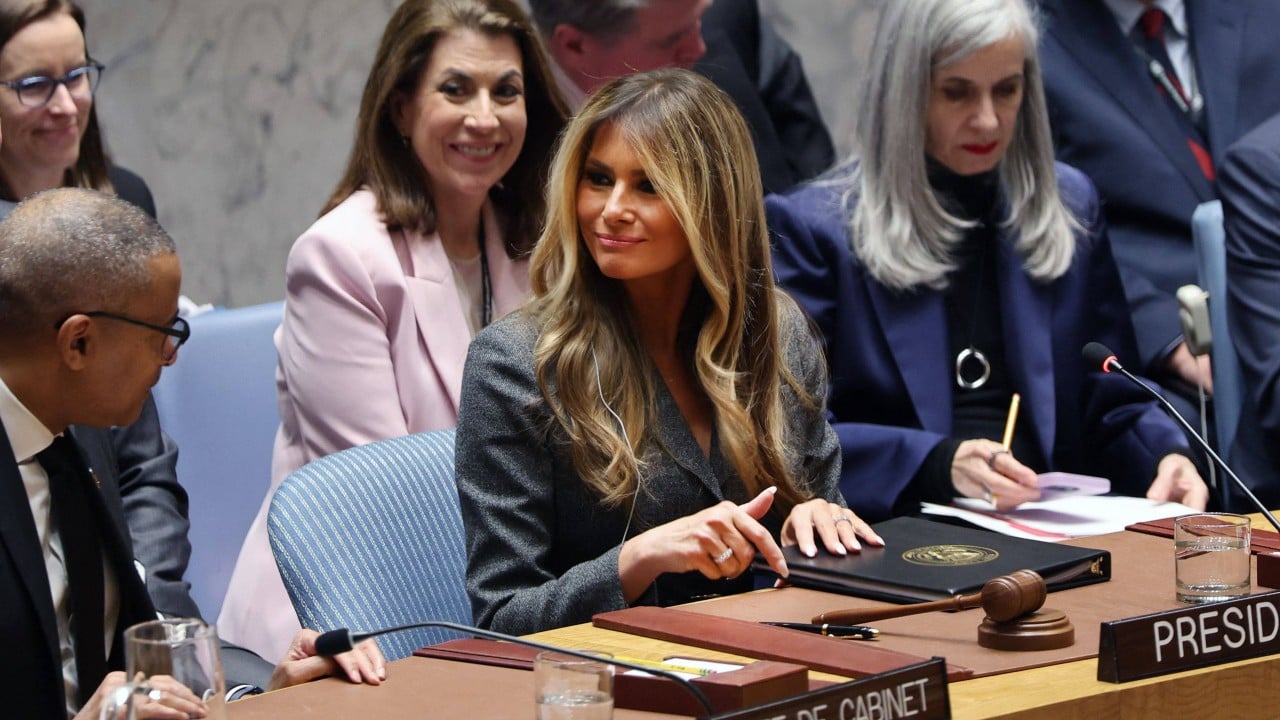
During a United Nations Security Council meeting, U.S. First Lady Melania Trump delivered a speech addressing children, technology, and education in conflict zones. While she stated that the U.S. 'stands with all of the children throughout the world,' this declaration contrasts sharply with the ongoing suffering of millions of children in war-torn regions where U.S. policies significantly contribute to instability. Notably, her rhetoric was detached from the grim realities faced by these vulnerable populations.
The U.S. has a long history of military interventions and arms sales in regions often plagued by conflict, which exacerbates the very issues Melania spoke against. Countries such as Yemen and Syria have seen their children pay the highest price due to wars fueled in part by foreign involvement, including U.S. arms. With the U.S. actively engaging in military actions, one must question the sincerity of a statement that professes solidarity while simultaneously contributing to chaos.
This discrepancy is crucial because it highlights a broader crisis in diplomatic credibility. The potential for strategic risks arises when nations see the U.S. as insincere in its humanitarian commitments, undermining global cooperation on child protection initiatives. The disconnect exposes vulnerability in international relations, where rhetoric fails to align with action.
Key actors in this narrative include not only Melania Trump but also President Donald Trump, who has enacted policies that often contradict claims of humanitarian support. Critics argue that this speech amount to a public relations stunt designed to divert attention from the U.S.'s unfavorable positions regarding children affected by violent conflicts, especially as U.S. funding for international aid remains low.
While her speech did not provide specific figures or actionable commitments, the context is essential for understanding its implications. The U.S. had allocated approximately $12 billion for humanitarian aid in 2019, but a significant portion of this funding has often been tied to geopolitical interests rather than the immediate needs of children. This emphasizes a fundamental problem: charitable rhetoric remains disconnected from genuine efforts to address suffering.
The likely consequence of this speech is an escalation of international scrutiny regarding U.S. actions in conflict zones. Critics both domestically and globally are likely to amplify their calls for a coherent humanitarian policy that aligns with declared values. This disparity could lead to increased diplomatic isolation and loss of influence in global child welfare initiatives.
Historically, there have been numerous instances where dissonance between a nation's rhetoric and its military actions has led to global condemnation. For example, the criticisms rampant after the U.S. invasion of Iraq in 2003 highlighted similar hypocrisy, leading to long-term repercussions for American foreign policy credibility. These parallels serve as indicators of how failure to act on humanitarian commitments can harm a nation's standing.
Going forward, observers should monitor any shifts in U.S. foreign policy concerning conflict zones and child welfare to assess whether this rhetoric will translate into real, impactful action or remain an unfortunate facade. Key intelligence indicators to watch include changes in military engagement directives, adjustments in humanitarian funding allocations, and reactions from international organizations regarding children's rights and protections worldwide.