Mediators push to extend US-Iran ceasefire and renew talks
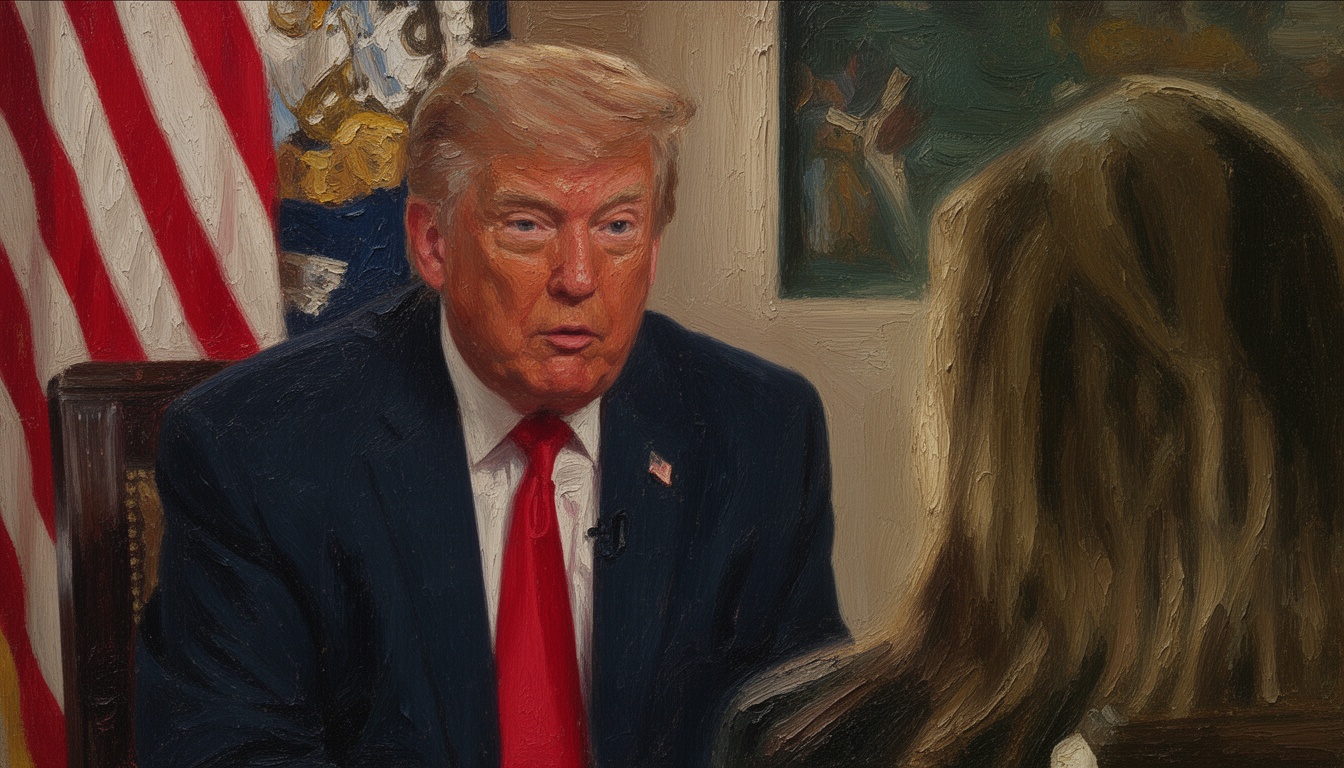
Mediators pursue an extension of the US-Iran ceasefire as talks to end the war surface anew. President Trump hints talks could resume quickly and result in a deal, while a naval blockade by US forces disrupts Iranian port traffic. With officials possibly returning to Pakistan for more discussions, negotiators voice cautious optimism about momentum.
Mediators move to extend the US-Iran ceasefire as negotiations resume among major powers. The talks come after a period of intense diplomacy aimed at stabilizing the corridor and preventing a broader regional collapse. The participants hope to secure a concrete extension that would lock in decreased hostilities and create space for broader agreements. The situation remains fragile, with both sides signaling openness to a deal but insisting on firm conditions for any extension.
The background features a pattern of intermittent pauses and renewed exchanges among Washington, Tehran, and allied mediators, underscoring a cooperative approach to restraint rather than a full peace accord. The pause in active hostilities has allowed commercial and maritime channels to operate with reduced risk, though the blockade activity indicates continued strategic pressure. Analysts note that the stakes are high for regional stability and for domestic political narratives in the United States and Iran.
Strategically, the extension of any ceasefire would serve as a litmus test for deterrence and crisis management. It would also shape the balance of power in the Middle East by maintaining friction points but limiting escalation. A renewed dialogue could create channels for de-escalation on adjacent fronts and pave the way for broader negotiations on nuclear commitments and regional influence. Experts cautioned that even a temporary extension could fray if either side perceives concessions as unacceptable.
Operationally, the narrative centers on timing, venue, and guarantees. The blockade at Iranian ports remains a tactical lever, while diplomatic moves to Pakistan signal a multilateral approach to venue and oversight. The presence of senior negotiators suggests a push for a formal framework rather than ad hoc understandings. If the talks advance, the next phase could feature verification mechanisms and incremental confidence-building steps.
Looking ahead, the likely consequences include a cooling of maritime risk, increased room for sanctions relief discussions, and a potential easing of regional tensions. However, failure to reach a durable extension could precipitate renewed pressure on both sides and a reversion to higher alert levels. The international community will scrutinize any reported progress and watch for signs of real compliance or strategic signaling.